
‘I’ve Negotiated the Release of 40 Victims from Terrorist Enclaves’
By Emmanuel Kwada
For more than a decade, insecurity has left deep scars across communities in northern Adamawa State. Families have been displaced, livelihoods destroyed and lives lost to attacks, kidnappings and years of fear. But behind some of the stories of survival is a man whose work has largely remained unknown.
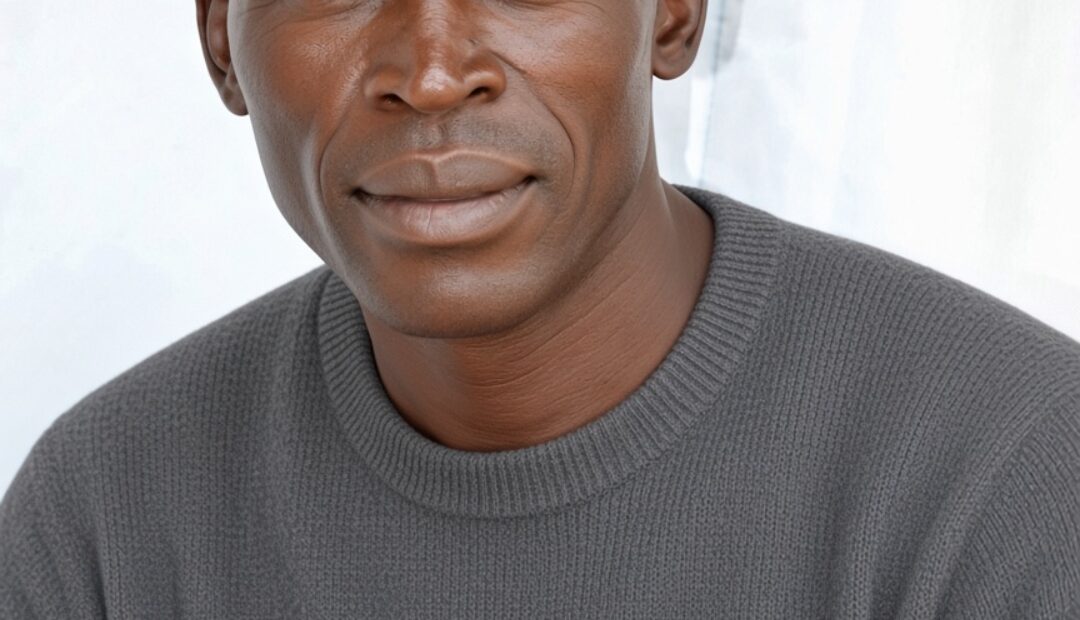
His name is Mr. Nuhu Iliya, a native of Madagali Local Government Area of Adamawa State. For years, he quietly intervened in kidnapping situations, communicating with armed groups and helping families secure the release of their loved ones. He says he never did it for money, recognition or personal gain. He did it because he wanted people to live. In an exclusive account, Iliya speaks about how his experience during the Boko Haram insurgency shaped his courage, how he became involved in negotiations, the risks he faced and how he helped more than 40 people regain their freedom.
Who is Mr. Nuhu Iliya, and why did you become involved in negotiating the release of kidnapped people?
I am Mr. Iliya from Madagali Local Government Area in Adamawa State. I do not have any special powers, and I do not do this work for money or any reward. I do it only because I want people to live in peace.
Read Also: Jacob Choji Pwakim: Apostle of Dialogue and Peace in Plateau State
I hate seeing people in danger when there is nobody to help them. When people are kidnapped, their families are usually frightened and do not know what to do. Sometimes they cannot even speak directly with the people holding their loved ones. That is when I try to help.
Were you never afraid that the kidnappers could kill or abduct you?
Of course, I am afraid. I have a family that needs me. If someone kidnaps or kills me, I know most people may not fight for my family or raise money to save me. But I trust God. He has always been with us. Every time I went to meet or communicate with these people, I knew I might not return. But I was willing to take the risk if it meant bringing somebody home alive.
When did this journey begin?
It started in 2014. At the time, Boko Haram took over our town and other communities around us. We had nowhere to go, and many of us did not have the money to take our families to Yola. It was around August or September, when farmers normally have very little cash because most of their resources had already been invested in farming. We had no choice but to run.
Where did you and other members of the community seek refuge?
We ran to the mountains between Nigeria and Cameroon.
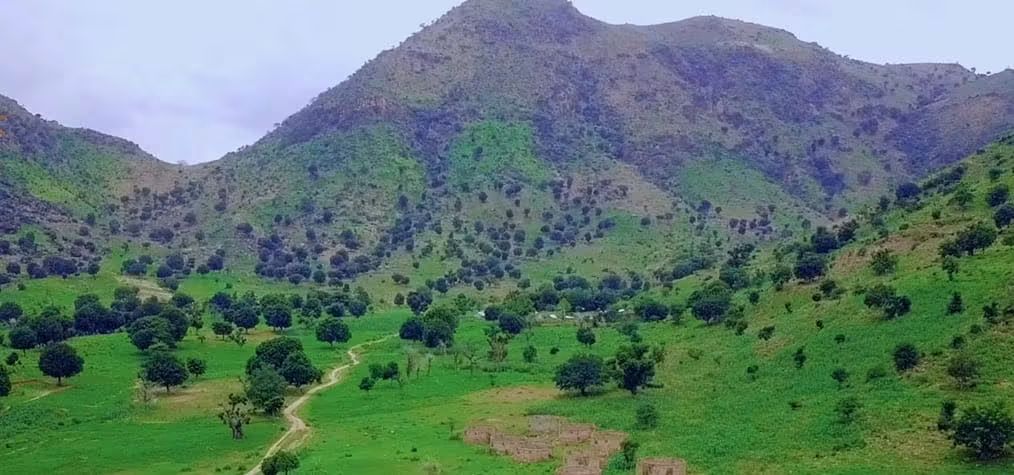
Image showing the mountain between Cameroon and Nigeria where Mr. Iliya Nuhu and other villagers took refuge in 2014/2015 during the Boko Haram invasion in Adamawa State.
We cut the long grass around us so that we could see far into the distance. We wanted to know whenever Boko Haram was approaching. We were from the same tribe, so we lived together like one large family. We looked after one another.
How did the young people protect the community in the mountains?
Ten young men from the community were assigned to keep watch at a time. Every six hours, another group of 10 youths would take over. The rotation continued day and night without stopping. It was compulsory for every young man. Nobody was allowed to refuse. The system ensured that there were always fresh eyes watching the lower land while others rested. The young men stayed in the same relatively safe positions behind rocks and trees, where they could see across the open ground. When one group finished its six-hour shift, another group quietly took over.
Those experiences changed me.
That was how we ensured the mountain was never left unguarded.
What happened when Boko Haram fighters approached?
When the attackers were spotted, those keeping watch would raise an alarm. Women and children would hide while the men prepared to defend the community. At that time, we used whatever we had—stones, bows and arrows and locally made guns. Because we were on high ground, we could hide behind large rocks, while the attackers were exposed on the ground below. Their weapons could not easily reach us. Sometimes we pushed them back. On some occasions, some of them were killed. There were also times when we went down the mountain and ambushed them. Those experiences changed me. That was how I became brave. Gradually, the fear began to disappear.
What is the situation like today?
The situation has changed, but the danger has not completely disappeared. The attackers now operate from the Sambisa Forest and other areas. They often move at night or in the early hours of the morning. They go from one place to another looking for food and supplies. If they encounter people, they may kill or abduct them. They need food, fuel, medicine, motorcycles and spare parts. When they kidnap people, they sometimes open negotiations because they need these things.
How did you become involved in those negotiations?
When somebody is kidnapped, the family is usually extremely afraid. They may not know how to communicate with the kidnappers or what to say. That is when I step in. I communicate with them and try to negotiate for the safe release of the person. My objective is always simple: bring the person home alive.
Did you ever pay ransom?
I know that paying ransom is against the law. The demands were not always cash. But sometimes, from the perspective of the family, it appears to be the only available way to bring their loved one back alive. Sometimes they asked for cigarettes, fuel, spare parts or other supplies. We would provide what was necessary, and on some occasions I personally delivered them. Every time I went, I understood the danger. I knew I could be killed or kidnapped myself. But I was prepared to take that risk for the sake of saving another person’s life.
Were there occasions when you worked with security agencies?
Yes. Sometimes we pretended that the demands of the kidnappers would be met while secretly informing security personnel. The security forces could then move in and arrest the perpetrators. Everything had to be done carefully. The kidnappers could not know that information had been passed to the security agencies. When something went wrong for them, they would simply say, “It is the will of Allah.”
Do you still negotiate with terrorists today?
No. I no longer communicate with them. Instead, I now concentrate on teaching members of the community how to stay alert and protect themselves.
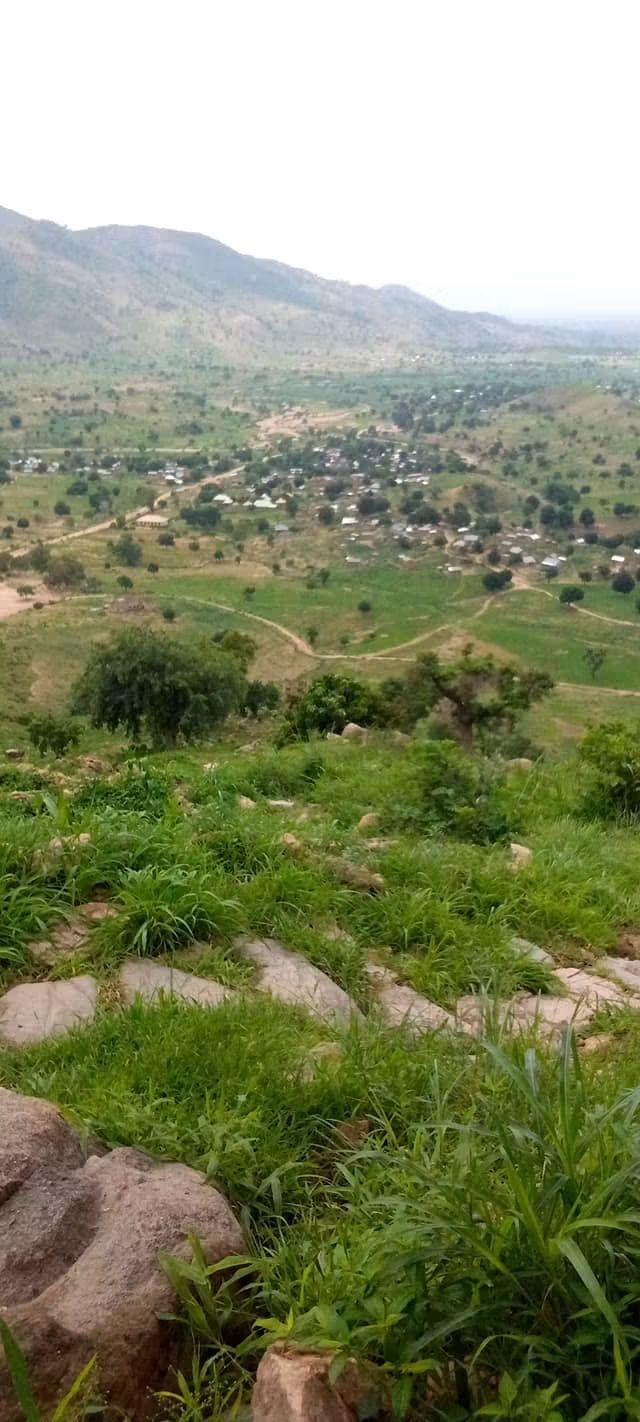
Image showing the mountain between Cameroon and Nigeria where Mr. Iliya Nuhu and other villagers took refuge in 2014/2015 during the Boko Haram invasion in Adamawa State.
I teach people how to recognise signs of danger, where to run and hide when an attack occurs, and how to quickly alert security agencies.
Does the government know about the work you did in the past?
As far as I know, the government does not know about much of what we did. We did it within our communities because we wanted to save lives. We were not looking for fame, money or recognition.
Did you ever collect money from families after helping them secure the release of their loved ones?
No. I never take money from the families. Once the person is safe, my job is finished. If a family is capable of communicating with the kidnappers themselves, I simply give them advice and encourage them not to be afraid.
Do you believe the terrorists now want to harm you?
I believe so. Since I stopped communicating with them, I think they may want to hurt me. But God has continued to protect me and my family.
How many people have you helped to regain their freedom?
I have helped free more than 40 people. Not all of them were released because money was paid. Some were freed through negotiations alone. Some were released voluntarily by the terrorists. Sadly, some people also died while in captivity. We have witnessed many terrible things since this crisis began. After so many years, there are things that no longer frighten us the way they once did. Every morning, we simply thank God that we are still alive.
Would you still consider joining the security forces?
I am already more than 50 years old. I am too old to join the Army or the police. But I believe there are other ways I can continue to contribute to the safety of my people.
What do you think the government should do to end the insecurity?
The government has the power to stop this problem within a few months. What is missing is the strong will to do it. For example, how many of the people who finance terrorists have been arrested, even after their names have been made public? That is one of the questions we need to ask. The people carrying guns are not the only problem. Those providing money and resources to them must also be dealt with.
After everything you have experienced, why do you continue helping people?
Because we care about our people. We have seen what violence does to families and communities. We have lived through displacement, fear, hunger and death. But we continue because we believe our people deserve to live in peace. And we trust God. That is what keeps us going.
Read Also:Adakole Daniel: An Accountant-turned-Peace Mediator in Benue State
Author

Sign up for The Insight Newsletter
Get in-depth, research and data-based interpretative reports from around Nigeria.


