
Jacob Choji Pwakim: Apostle of Dialogue and Peace in Plateau State
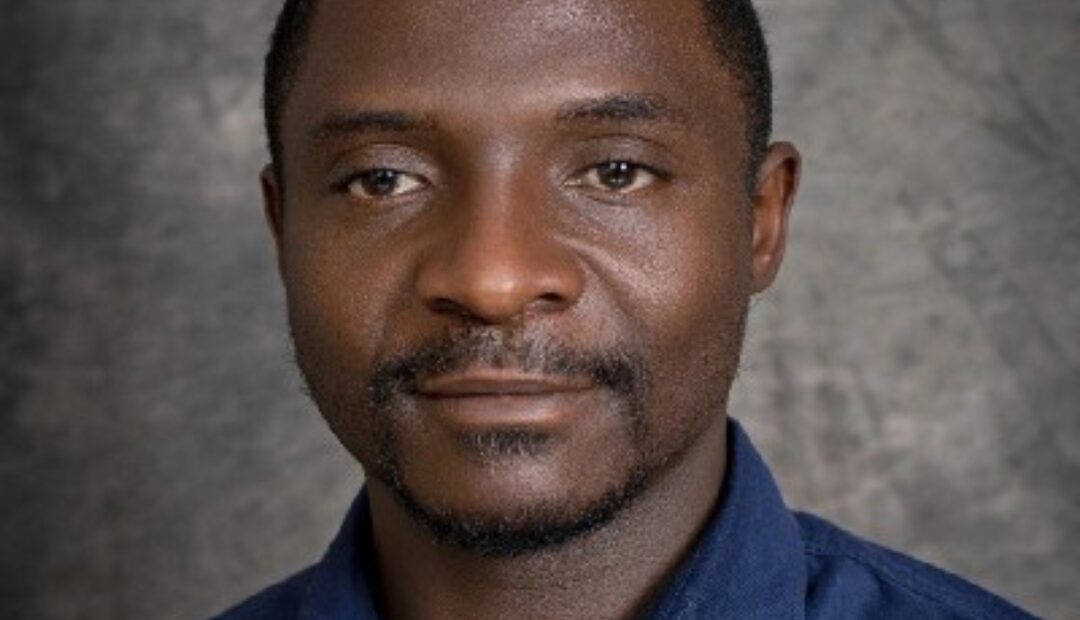
Jacob Choji Pwakim is one of Nigeria’s leading community peacebuilders whose work over the past decade has demonstrated that sustainable peace is built not only through dialogue but through trust, shared ownership, and practical collaboration among divided communities.
As Founder and Executive Director of the Youth Initiative Against Violence and Human Rights Abuse (YIAVHA), and through his work with organisations including Search for Common Ground (Search work), the Federation of Muslim Women Association of Nigeria (FOMWAN), and the Jos Stakeholders Centre for Peace, he has designed, led and supported more than fifteen major peacebuilding initiatives across Plateau State and other parts of Nigeria.
His work has taken him into some of Nigeria’s most difficult and inaccessible conflict-affected communities. Choji and his team have travelled for hours on motorcycles across rough terrain, often returning with bruises and sores after navigating dangerous routes simply to ensure isolated communities were not excluded from peacebuilding efforts.
Choji has facilitated well over 200 community dialogue processes involving ethnic, religious, traditional and political stakeholders.
These journeys were not isolated incidents but part of a sustained commitment to ensuring that those most affected by violent conflict had access to dialogue, mediation, and opportunities for reconciliation.
Throughout his career, Choji has facilitated well over 200 community dialogue processes involving ethnic, religious, traditional and political stakeholders. Rather than adopting conventional dialogue approaches that often end with communiqués, he developed and refined a community-owned methodology rooted in Collective Impact, Systems Thinking and Community Participatory Action Research (CPAR).
This model enables communities to jointly analyse the drivers of conflict, identify shared priorities, co-design solutions, and implement collective actions that continue long after donor funding ends.
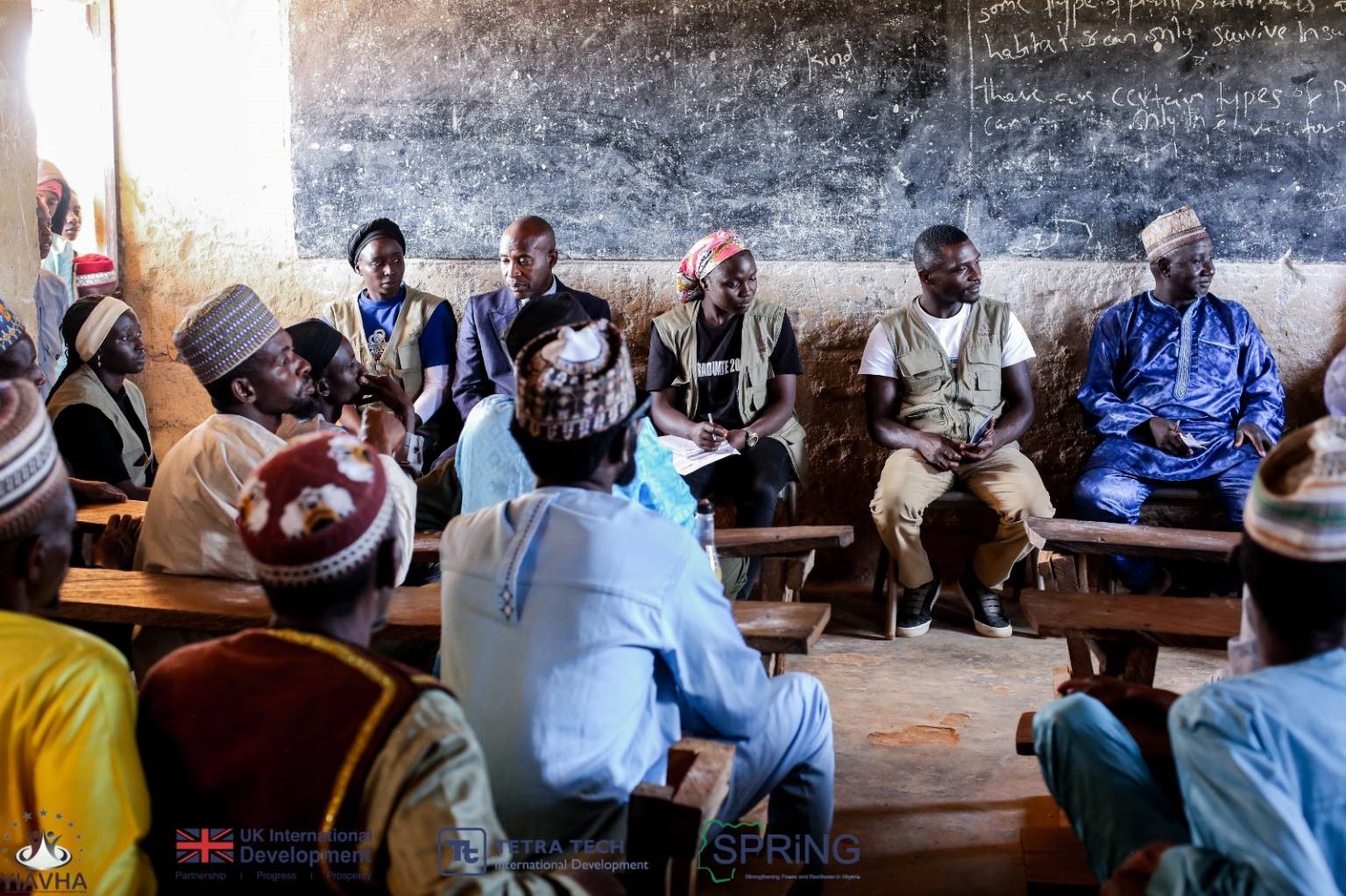
Founder and Executive Director of the Youth Initiative Against Violence and Human Rights Abuse (YIAVHA), Jacob Choji Pwakim, and traditional rulers and village heads at a sensitization meeting.
The effectiveness of this methodology has gone beyond project reports. It has been documented in academic literature and published in a peer-reviewed international journal as a practical model for community-led peacebuilding (publication here). This nomination is accompanied by publications that explain this methodology in greater detail and demonstrate its measurable outcomes.
Under his leadership, YIAVHA has introduced innovative peacebuilding interventions including interfaith and intergenerational dialogue forums, Citizens’ Security Meetings, community storytelling sessions, drug abuse awareness campaign, joint peace action planning, youth training, and demonstration joint farming involving farming and pastoralist communities that had previously viewed each other with deep suspicion.
These interventions have produced tangible outcomes that extend beyond dialogue. Communities have reported renewed access to previously inaccessible farmlands, reductions in violent incidents, stronger participation of women and young people in local peace structures, and improved collaboration across religious and ethnic divides.
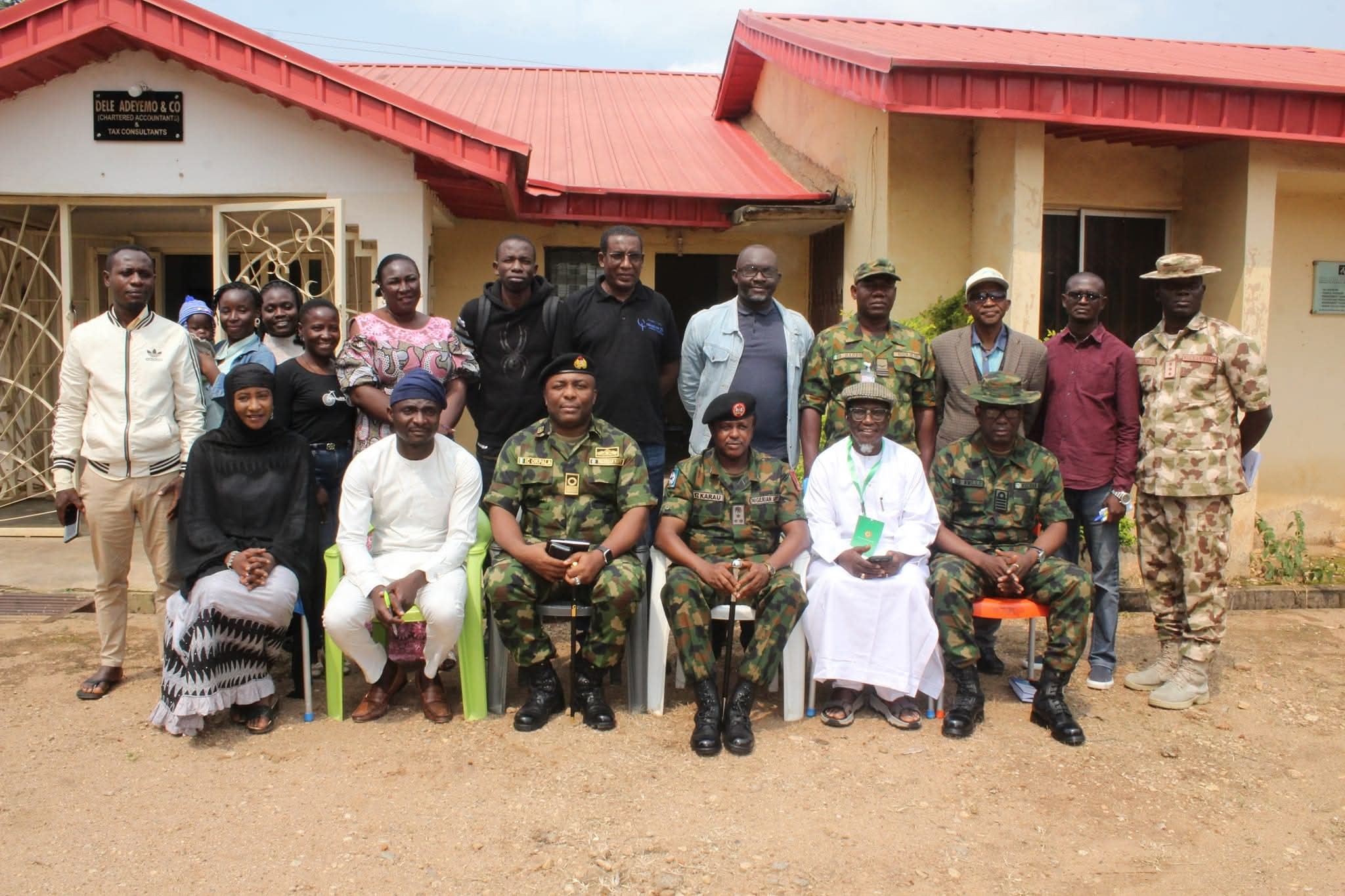
Founder and Executive Director of the Youth Initiative Against Violence and Human Rights Abuse (YIAVHA), Jacob Choji Pwakim, with security personnel and other stakeholders during a peace meeting.
The building bridges for leading video; “from Conflict to Cooperation A Community Led Approach to Farmer and Herder Peacebuilding in Riyom” and “Unarmed Civilian Protection” videos along side, the most recent impact evaluation reports, (report found here) amongst other publications cited here capture some of the impact of his work. In several communities, youth groups from opposing sides have exchanged fruit trees and jointly planted them in symbolic public spaces as living monuments to reconciliation. Today, many of these trees are bearing fruit, serving as visible reminders that peace, when nurtured, can produce lasting benefits for future generations.
Choji has equally distinguished himself in strengthening civil-military relations in Plateau State. At periods when mistrust between communities and security agencies threatened effective conflict management, he deliberately created platforms that encouraged constructive engagement rather than confrontation.
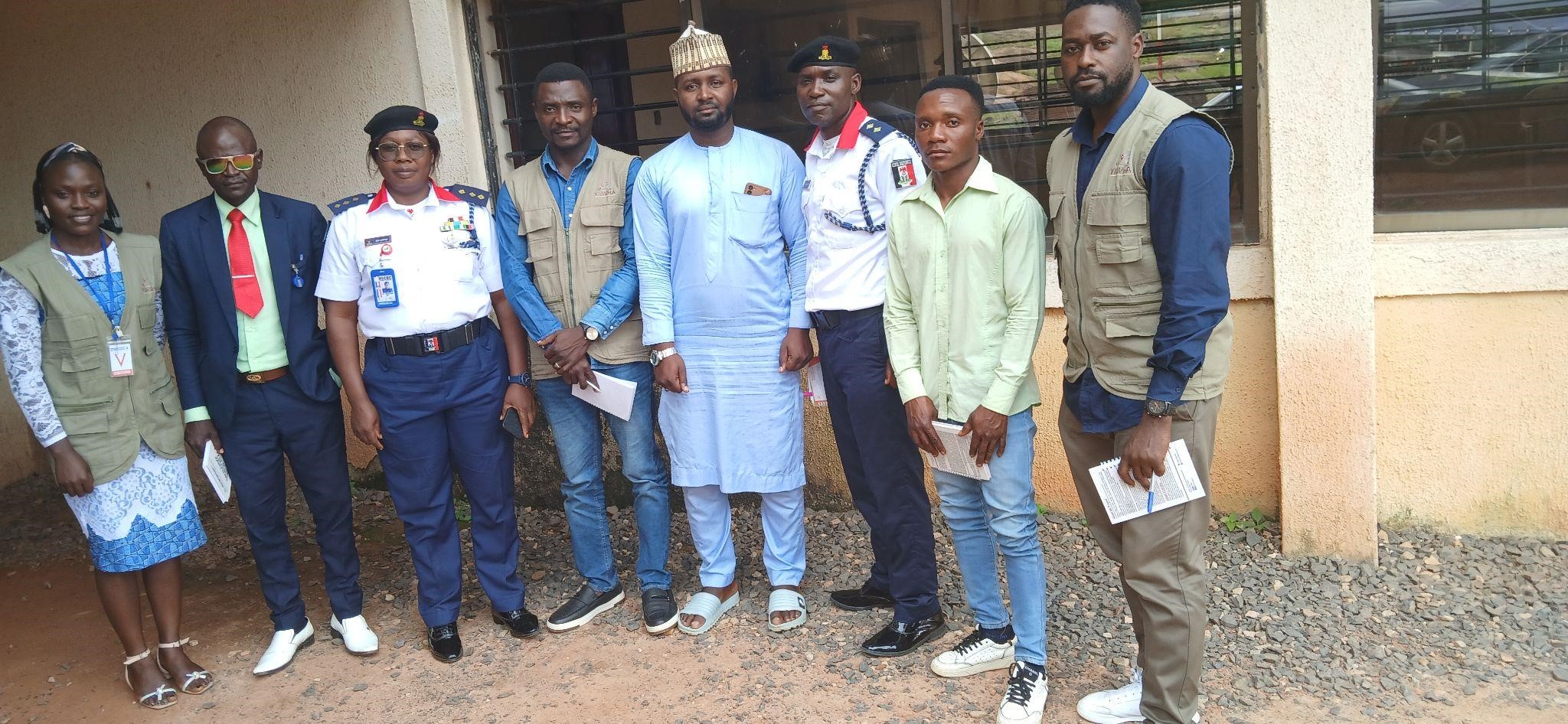
Through structured dialogues involving military formations, police, civil defence, traditional rulers, women leaders, youth representatives and civil society organisations, he helped improve communication, reduce suspicion, and promote collaborative approaches to community security.
His philosophy has consistently been that effective security depends on mutual trust, and that positive engagement with security institutions strengthens accountability while improving civilian cooperation.
Beyond his organisation, Choji served as President of the Plateau Peace Practitioners Network (PPPN), the foremost coalition of peacebuilding organisations in Plateau State. During his tenure, he strengthened coordination among civil society organisations, government institutions, security agencies, traditional institutions, faith-based organisations and development partners.
He championed knowledge sharing among practitioners, promoted collective responses to emerging conflicts, and expanded collaboration between peace actors across the state, helping to institutionalise cooperation within the peacebuilding sector.
He also played a pivotal role in establishing and strengthening the Jos Stakeholders Centre for Peace, a multi-stakeholder peace infrastructure that has contributed significantly to conflict prevention, early warning, and collaborative problem-solving in Jos North and neighbouring communities.
Choji has directly trained and mentored more than 5,000 young people in peacebuilding.
The Centre has became an important platform where security agencies, community leaders, religious institutions, government officials and civil society organisations jointly analyse security concerns and develop peaceful responses before tensions escalate into violence.
Choji’s contributions extend beyond field practice. He has consistently used research, policy engagement and public advocacy to influence governance and peacebuilding in Nigeria.
His publications have addressed youth participation in peace processes, conflict transformation, governance, and community resilience.
His work has also received international recognition through publications and features by respected global media and policy platforms, including the BBC, Foreign Policy, and SustainE, amongst others listed above, helping to project locally developed Nigerian peacebuilding solutions to international audiences.
These publications, attached to this nomination, illustrate the growing recognition of his work beyond Nigeria and demonstrate the relevance of his experience to global conversations on peacebuilding.
As a mentor and trainer, Choji has directly trained and mentored more than 5,000 young people in peacebuilding, leadership, governance, conflict resolution and civic engagement. Many of these young people now serve as community peace ambassadors, civil society leaders, politicians, civil society practitioners, public servants, and development practitioners who continue to replicate the skills and values acquired through his mentorship.
His work is distinguished by professional neutrality in one of Nigeria’s most polarised conflict environments. Although he comes from one of Plateau State’s ethnic communities, he has earned the confidence of Christian and Muslim communities, farmers and pastoralists, traditional rulers, security agencies, government institutions and civil society actors alike.
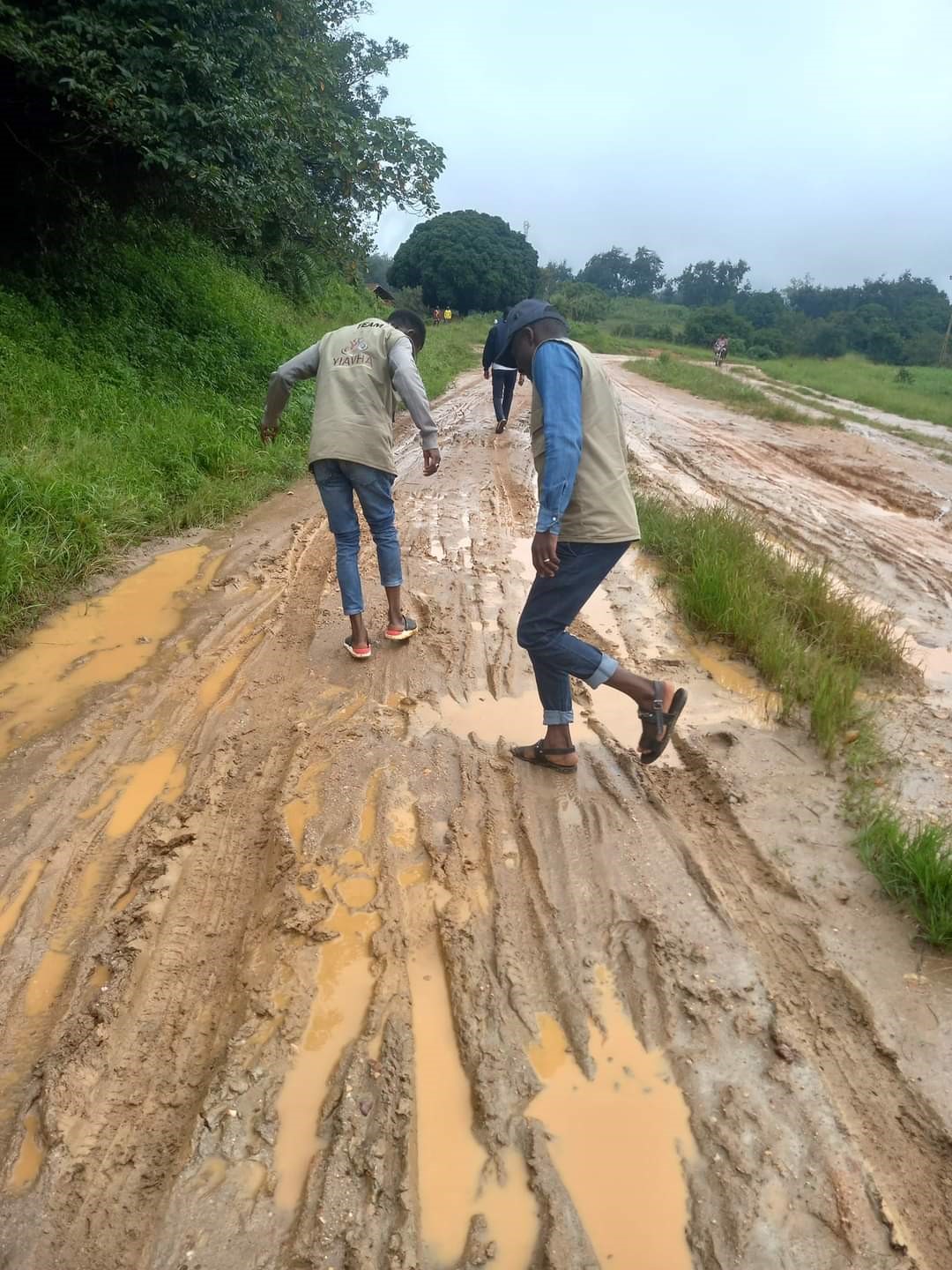
Founder and Executive Director of the Youth Initiative Against Violence and Human Rights Abuse (YIAVHA), Jacob Choji Pwakim, and others trekking a muddy road to reach out to the community.
His ability to maintain credibility across identity divides has enabled him to facilitate sensitive peace processes where trust is often the greatest challenge.
Jacob Choji Pwakim represents a generation of African peacebuilders whose influence is measured not only by the number of meetings held or projects implemented, but by the lives transformed, relationships restored, institutions strengthened, and communities empowered to sustain peace independently.
The attached links, independent evaluations, publications, documentaries and media features provide further evidence of the impact, innovation and national significance of his work and demonstrate why he is a deserving nominee for recognition as one of Nigeria’s Unsung Heroes in Peacebuilding.
Read Also: National Security: Building Sustainable Peace Through Nigeria’s National Peace Framework
Author

Sign up for The Insight Newsletter
Get in-depth, research and data-based interpretative reports from around Nigeria.


