GIFSEP Launches Livelihood Journey for 40 Women Under Women’s Health, Well-being Project
By Emmanuel Kwada
Forty women have begun a journey towards economic independence and sustainable livelihoods following their formal onboarding into a livelihood support programme under the Bridging the Gaps in Women’s Health and Well-being (BtG) Project in Makurdi, Benue State.
The orientation and onboarding exercise, held at Eyah Hotel and Suites, was organised by the Gender and Environmental Risk Reduction Initiative (GIFSEP) as part of efforts to help economically vulnerable households build stable incomes, improve their well-being and achieve long-term financial security.
Primary goal is to equip participants with the resources, skills and confidence needed to build sustainable livelihoods.
The project is funded by the Hauwa Ojeifo Global Impact Fund for Women and Girls, with technical support from CBM Global Nigeria.
The event marked the first direct engagement between the selected beneficiaries and the project team, providing an opportunity to explain the programme’s objectives, implementation timeline, participants’ responsibilities and the support available to help them establish sustainable sources of income.
Central to the programme is the Graduation Approach, a structured model designed to help people experiencing economic hardship move progressively from financial vulnerability to self-reliance through a combination of social protection and livelihood development.
Speaking at the event, GIFSEP Executive Director, Dr. Michael Terungwa David, explained that the approach goes beyond providing temporary financial assistance, stressing that its primary goal is to equip participants with the resources, skills and confidence needed to build sustainable livelihoods.
According to him, the programme is designed to address immediate household needs while creating opportunities for participants to engage in productive economic activities and develop more reliable sources of income.
He noted that reducing financial pressure on households would enable the women to concentrate on their chosen businesses and livelihood activities, make informed financial decisions and gradually strengthen their capacity to support themselves and their families.
Dr. David emphasised that the success of the initiative would depend on participants’ commitment, active involvement and responsible use of the support provided.
Participants are expected to receive conditional cash transfers over six months to help stabilise household consumption, reduce immediate financial pressures.
He added that economic empowerment should not be measured by income alone, but also by improved financial resilience, access to essential services, personal confidence, dignity and social inclusion.
As part of the intervention, participants are expected to receive conditional cash transfers over six months to help stabilise household consumption, reduce immediate financial pressures and enable them to sustain their livelihood activities as they work towards greater independence.
Project Manager, Dorcas Nicanor, provided an overview of the project, outlining participants’ roles, responsibilities and expectations throughout the implementation process.
She also highlighted the rights of beneficiaries, including the right to dignity, non-discrimination, confidentiality and access to accurate information about the programme.
Safeguarding and the prevention of gender-based violence (GBV) also featured prominently during the orientation.
Leading the session, Dr. Beatrice Onoja educated participants on different forms of gender-based violence, including physical, emotional, economic and technology-facilitated abuse.
She encouraged the women to familiarise themselves with emergency contact numbers, support one another and utilise the project’s feedback and safeguarding reporting channels whenever they experience or witness abuse.
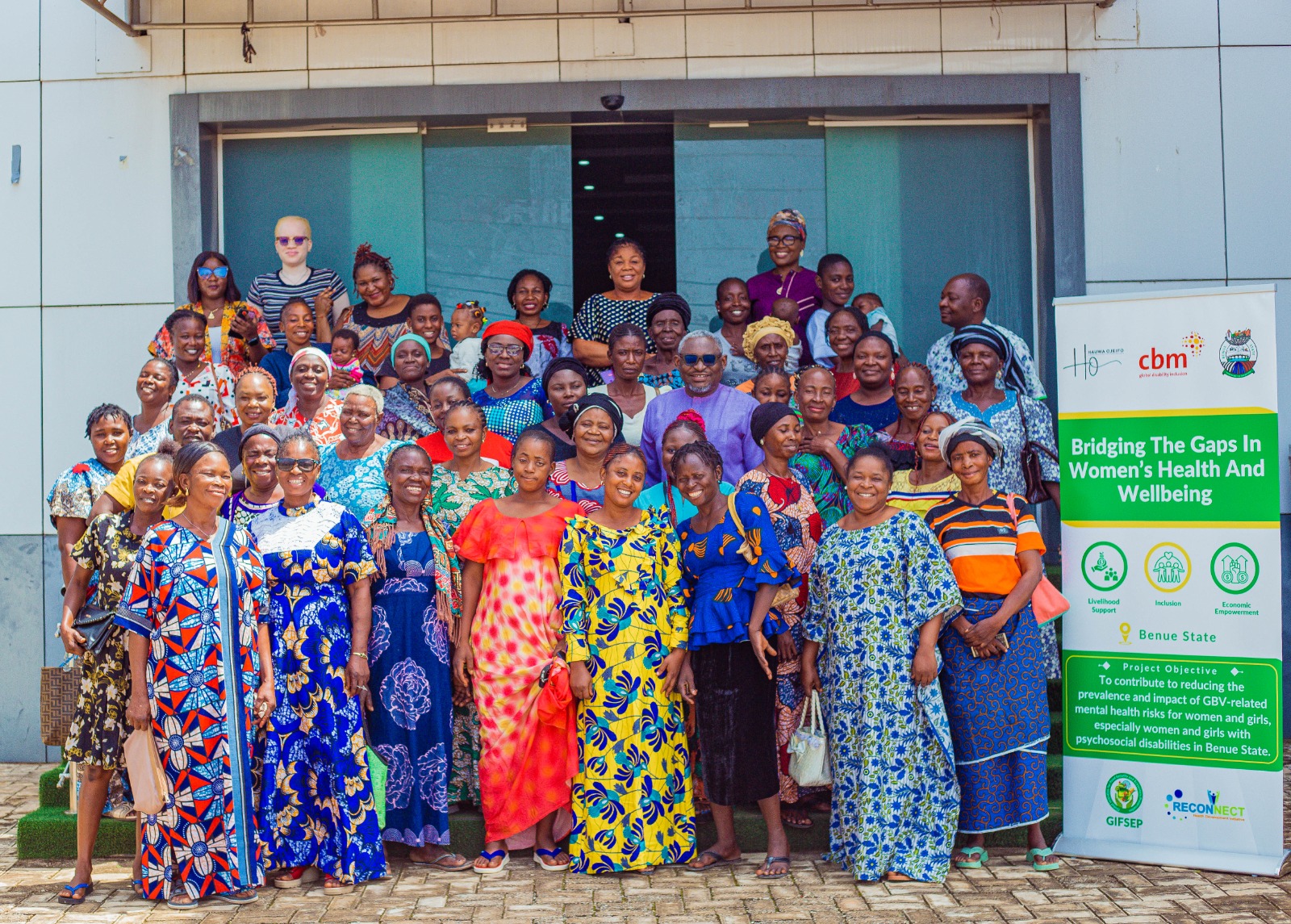
40 women during the onboarding session for the Graduation Programme
A key outcome of the interactive question-and-answer session was that some participants reconsidered the livelihood options they had selected during the earlier verification exercise.
Their decisions followed a clearer understanding of the Graduation Approach and the practical requirements involved in pursuing different economic activities.
The development underscored the importance of ensuring that livelihood choices reflect participants’ interests, personal circumstances and available economic opportunities, rather than simply proceeding with previously selected options.
Through the BtG Project, GIFSEP and its partners are working to address barriers affecting women and girls by expanding access to livelihood opportunities, strengthening protection mechanisms and building support systems that promote economic resilience and social inclusion.
The programme is expected to provide participating women with a structured pathway towards improved livelihoods, greater financial stability and increased capacity to meet their household needs.
The orientation ended on a celebratory note, with participants singing and dancing as they embraced the beginning of what organisers hope will be a transformative journey towards more secure and sustainable futures.
Author

Sign up for The Insight Newsletter
Get in-depth, research and data-based interpretative reports from around Nigeria.