
INEC Chairman Amupitan Raises Alarm Over Daily Death Threats, Says Job Is ‘Thankless’
By Emmanuel Kwada
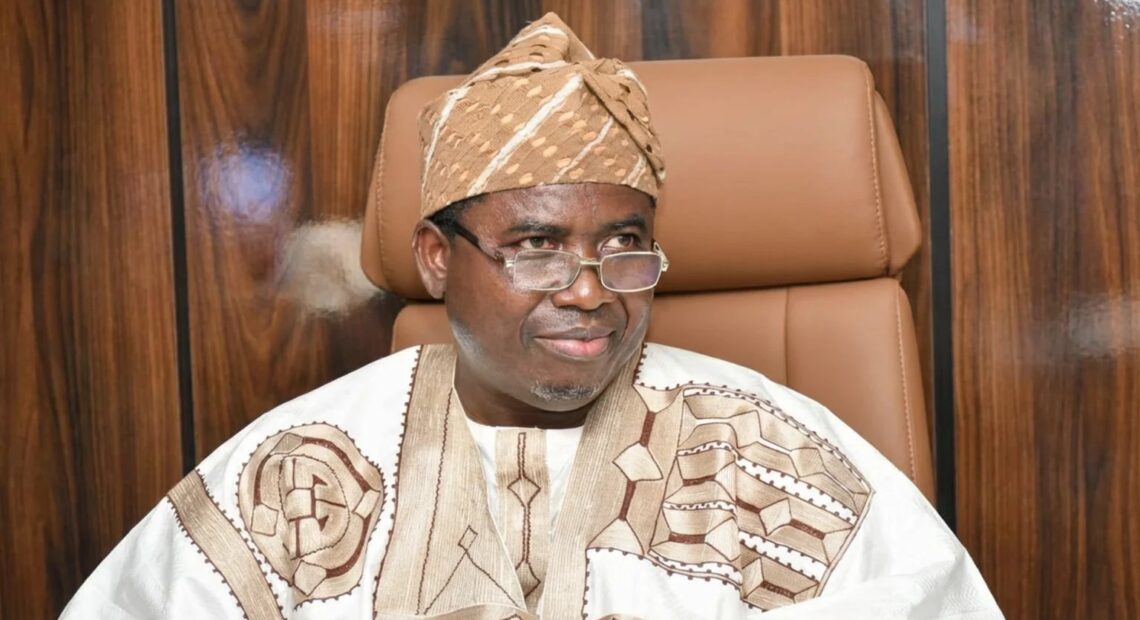
The Chairman of the Independent National Electoral Commission (INEC), Professor Joash Amupitan, has raised the alarm over threats to his life, saying he receives threatening messages almost daily amid preparations for the 2027 general elections.
Amupitan described his position as Nigeria’s chief electoral officer as a thankless job, lamenting the hostility, public scrutiny and intimidation faced by electoral officials despite their efforts to uphold democracy.
He spoke on Wednesday in Abuja during a strategic consultative meeting with Resident Electoral Commissioners (RECs) from the 36 states and the Federal Capital Territory, where he warned that INEC could not afford operational failures ahead of the forthcoming elections.
If you think you are destroying INEC, you are only destroying democracy in Nigeria.
“On a daily basis, I receive threat messages, and sometimes, you just feel like whether those distractions are necessary,” he said.
The INEC chairman warned that attempts to intimidate or undermine the commission amounted to an attack on Nigeria’s democracy, urging electoral officials to remain focused on their constitutional responsibilities.
“If you think you are destroying INEC, you are only destroying democracy in Nigeria,” Amupitan said.
He added that electoral officials were often subjected to abuse and intense scrutiny, regardless of their efforts to deliver credible elections.
“Working for the commission is like a thankless job. No matter what you do, you are under serious scrutiny and sometimes even abused,” he lamented.
Amupitan said some RECs were also receiving threats from groups seeking to intimidate and harass them, warning that such pressure must not compromise their duties.
With the presidential and National Assembly elections scheduled for January 16, 2027, and the governorship and state assembly elections fixed for February 6, 2027, the chairman said INEC had entered a critical phase of preparations.
He announced that the commission would conduct a nationwide mock accreditation and result transmission exercise on Saturday, November 28, to test its upgraded electoral technology, logistics and result management systems.
The exercise will take place in two polling units per ward across the country and will assess the performance of the Bimodal Voter Accreditation System (BVAS), logistics arrangements and the automated result validation safeguards introduced on the INEC Result Viewing Portal (IReV).
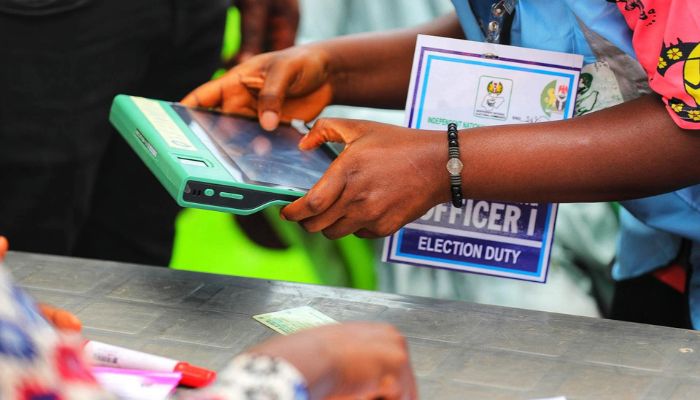
File photo: INEC official operating BVAs Machine during 2023 general elections
Amupitan said the credibility of the 2027 elections would largely depend on the competence, neutrality, vigilance and discipline of electoral officials, warning that the commission had no room for administrative lapses.
He disclosed that INEC was preparing for an election involving more than 100 million registered voters, 57,000 newly procured BVAS devices and over 1.41 million ad hoc personnel.
The chairman said the commission would also have to manage election logistics across urban centres, remote riverine communities, insurgency-affected areas and locations hosting internally displaced persons.
He warned that even minor operational failures could undermine public confidence in the entire electoral process.
To reduce accreditation delays and congestion, Amupitan said INEC had lowered the BVAS deployment threshold from 1,250 to 850 registered voters per device, with multiple machines to be provided for polling units exceeding the new limit.
He also directed RECs to ensure that all electoral devices were properly accounted for, fully charged, configured for their designated polling units and supported with backup equipment.
On logistics, the chairman ordered a review of transportation arrangements involving road transport unions, marine operators and aviation partners, stressing that delayed opening of polling units could trigger tension and erode public trust.
He further called for stronger collaboration with security agencies, including the Nigeria Police Force and the Nigeria Security and Civil Defence Corps, while directing the activation of election security structures at local government and ward levels to identify potential flashpoints.
The Nigerian people are not asking us for excuses or explanations after the fact; they are asking for competence, impartiality, transparency, and courage.
Amupitan also warned electoral officials against partisan conduct, saying INEC would not shield any staff member found guilty of compromising neutrality or facilitating electoral malpractice.
He said the commission would deploy more than 1.41 million ad hoc workers, including National Youth Service Corps members, university academics, vice-chancellors and civil servants, stressing that their training, safety and welfare were crucial to the success of the elections.
The INEC chairman also identified misinformation, synthetic media and coordinated false narratives as major threats to the 2027 elections, urging electoral commissioners to maintain regular communication with political parties, observers, civil society groups and the media.
He said Nigerians expected credible elections and would not accept excuses for operational failures.
“The Nigerian people are not asking us for excuses or explanations after the fact; they are asking for competence, impartiality, transparency, and courage in the execution of our constitutional mandate,” Amupitan said.
He urged the RECs to personally supervise preparations in their states, verify operational details, test contingency plans and promptly report challenges to the commission’s headquarters ahead of the elections.
Read Also: Five Black Governors Emerge in US as Nigeria’s Women Remain on the Margins
Author

Sign up for The Insight Newsletter
Get in-depth, research and data-based interpretative reports from around Nigeria.


