
Maiduguri Attacks Echo Events in 2015
By Emmanuel Kwada
In a striking echo of history, President Bola Ahmed Tinubu has directed Nigeria’s service chiefs to relocate to Maiduguri, the capital of Borno State, following a devastating series of suspected suicide bombings on March 16 that killed at least 23 people and injured over 100.
The move revives memories of a similar directive issued by former President Muhammadu Buhari in 2015, raising questions about whether this relocation will deliver tangible results in the long-running fight against insurgency or prove to be another largely symbolic gesture amid persistent violence in Nigeria’s northeast.
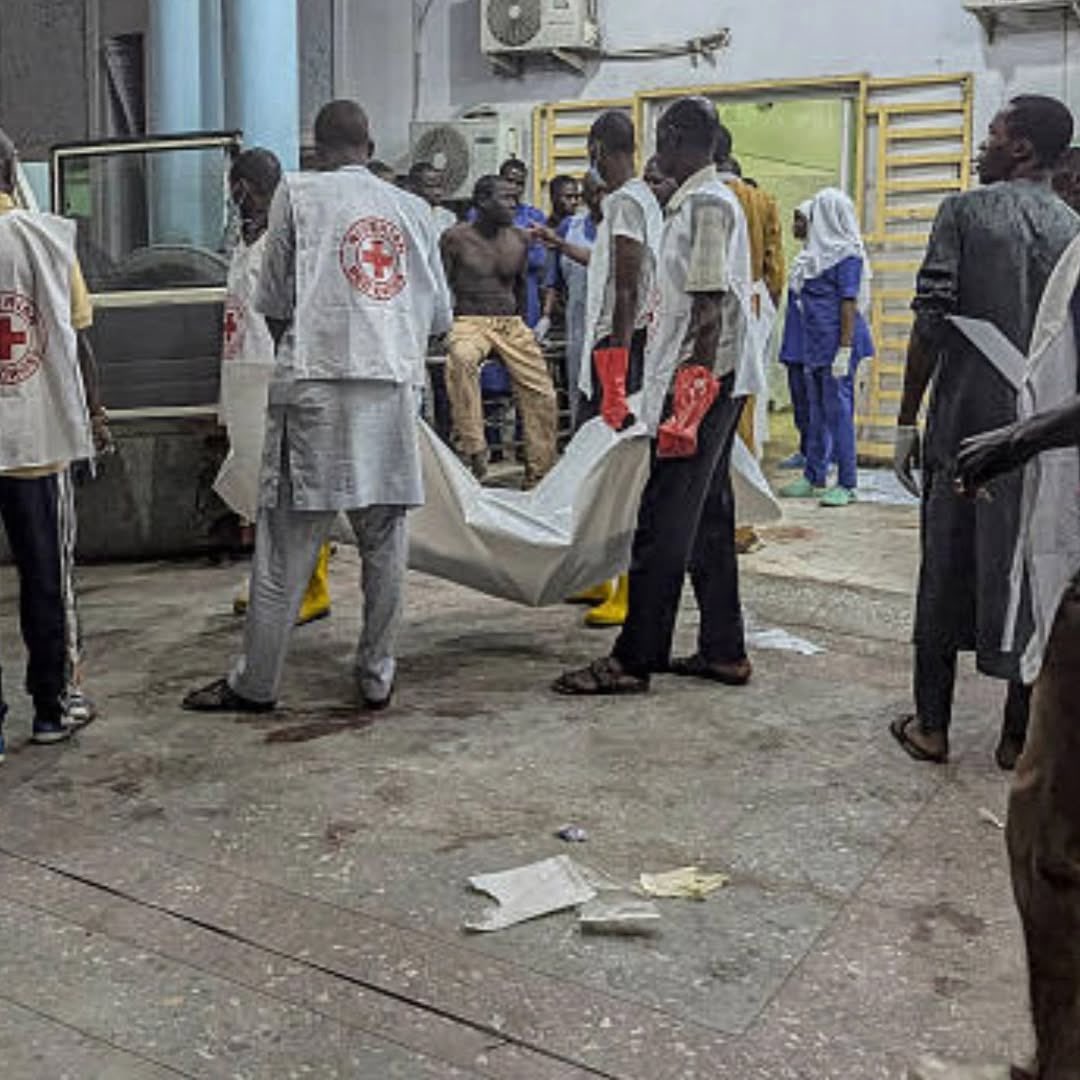
Red Cross in Rescue Mission at Scene
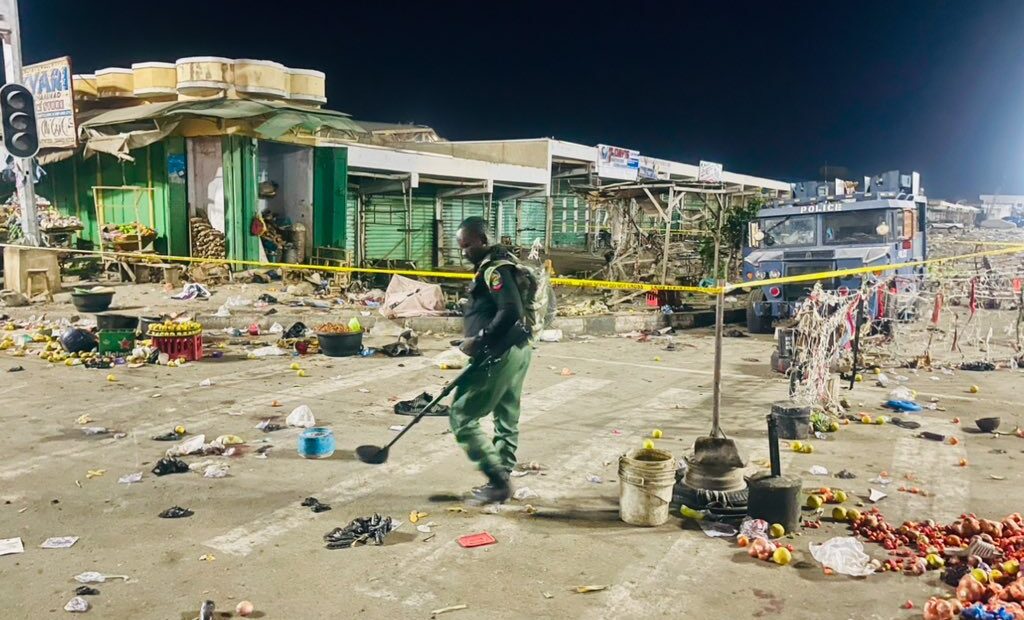
The attacks on Monday evening targeted crowded public areas in Maiduguri during the Iftar period, when many residents were breaking their Ramadan fast.
Explosions occurred at three locations: the Post Office area, the Monday Market axis, and near the entrance to the University of Maiduguri Teaching Hospital (UMTH).
Authorities, including the Borno State Police Command and the Nigerian military’s Joint Task Force (Operation HADIN KAI), described the incidents as suspected suicide bombings carried out by terrorist elements, likely linked to Boko Haram or its splinter factions such as the Islamic State West Africa Province (ISWAP).
The final desperate and frantic attempts by criminals and terrorist elements.
No group has officially claimed responsibility, but the coordinated nature of the blasts aligns with tactics used by these insurgents.
Emergency responders, including the Nigerian Red Cross and local security agencies, swiftly cordoned off the sites to prevent further attacks and provide aid.
Witnesses reported scenes of chaos, with ambulances rushing the wounded to hospitals and security forces securing the areas.
The bombings come amid a recent surge in militant activity in Borno, including coordinated raids on military bases earlier in March that killed soldiers and heightened fears of renewed escalation.
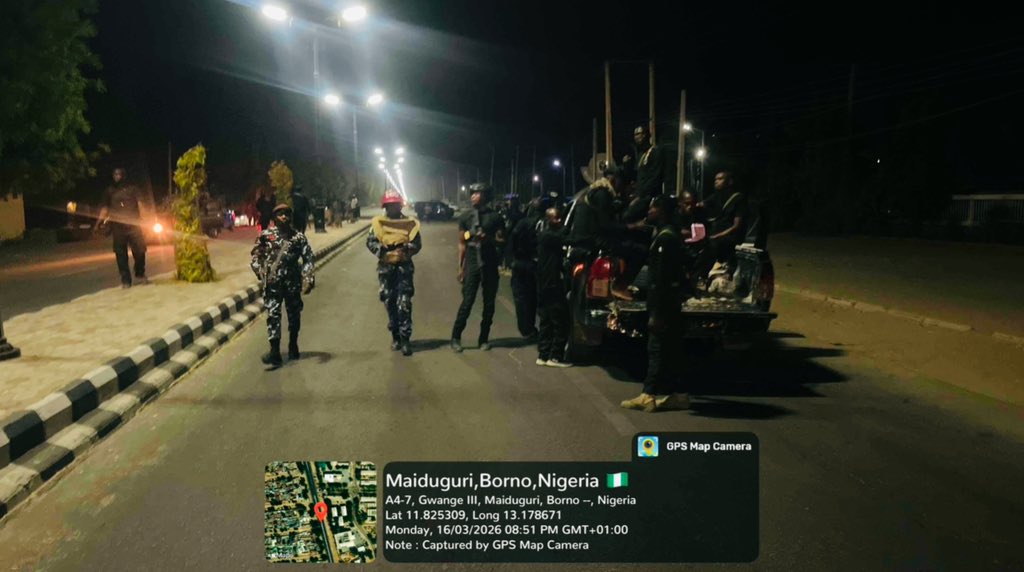
Security Operatives Patrol Streets of Maiduguri
In a personally signed statement released this morning, President Tinubu expressed deep sorrow over the loss of life, extended condolences to the people of Borno, and described the attacks as “the final desperate and frantic attempts by criminals and terrorist elements” under pressure from Nigerian forces.
He commended the troops for repelling related assaults on military positions and reiterated his administration’s resolve: “There is no place in Nigeria where terrorists will find safety. We will locate them, confront them, and completely defeat them. Nigeria will not succumb to fear.”
As part of immediate measures, Tinubu directed the service chiefs to move to Maiduguri “to take charge of the situation,” alongside instructing emergency agencies to ensure proper care for the injured.
Buhari ordered the relocation of the military’s command and control centre from Abuja to Maiduguri.
He also referenced recent approvals for additional equipment and operational support to security agencies, following a weekend meeting with intelligence and military leaders.
This directive mirrors President Buhari’s decision in June 2015, shortly after his inauguration. In his inaugural address and subsequent announcements, Buhari ordered the relocation of the military’s command and control centre from Abuja to Maiduguri to centralize operations, reduce bureaucratic delays from the capital, and accelerate decision-making close to the theater of conflict.
The move was hailed at the time as a bold step to intensify the campaign against Boko Haram, which had seized large swathes of territory in the northeast.
The 2015 relocation did contribute to significant military gains in the following years, including the recapture of key towns and a reduction in the group’s ability to hold territory openly.
However, the insurgency persisted in evolved forms, shifting toward guerrilla tactics, suicide bombings, ambushes, and hit-and-run attacks.
Despite sustained operations, Boko Haram and ISWAP factions have continued to launch periodic strikes, including on civilian targets and military outposts.
Critics argue that the initial command relocation, while symbolically powerful, did not fully address underlying issues such as intelligence gaps, community trust, logistical challenges in the vast Sambisa Forest region, and the insurgents’ adaptability.
Observers now question whether Tinubu’s order will yield different outcomes. Proponents see it as a necessary show of presidential commitment and direct oversight, potentially enabling faster coordination and response in the wake of the latest tragedy.
Skeptics, however, caution that it risks becoming performative if not paired with sustained reforms. Concerns include potential complications for existing field operations, such as diverting senior officers from broader national duties or straining resources in Maiduguri.
Past relocations have sometimes been temporary or partial, with headquarters eventually reverting to Abuja once initial momentum waned.
The northeast insurgency has claimed tens of thousands of lives and displaced millions since 2009, making it one of Africa’s longest-running conflicts.
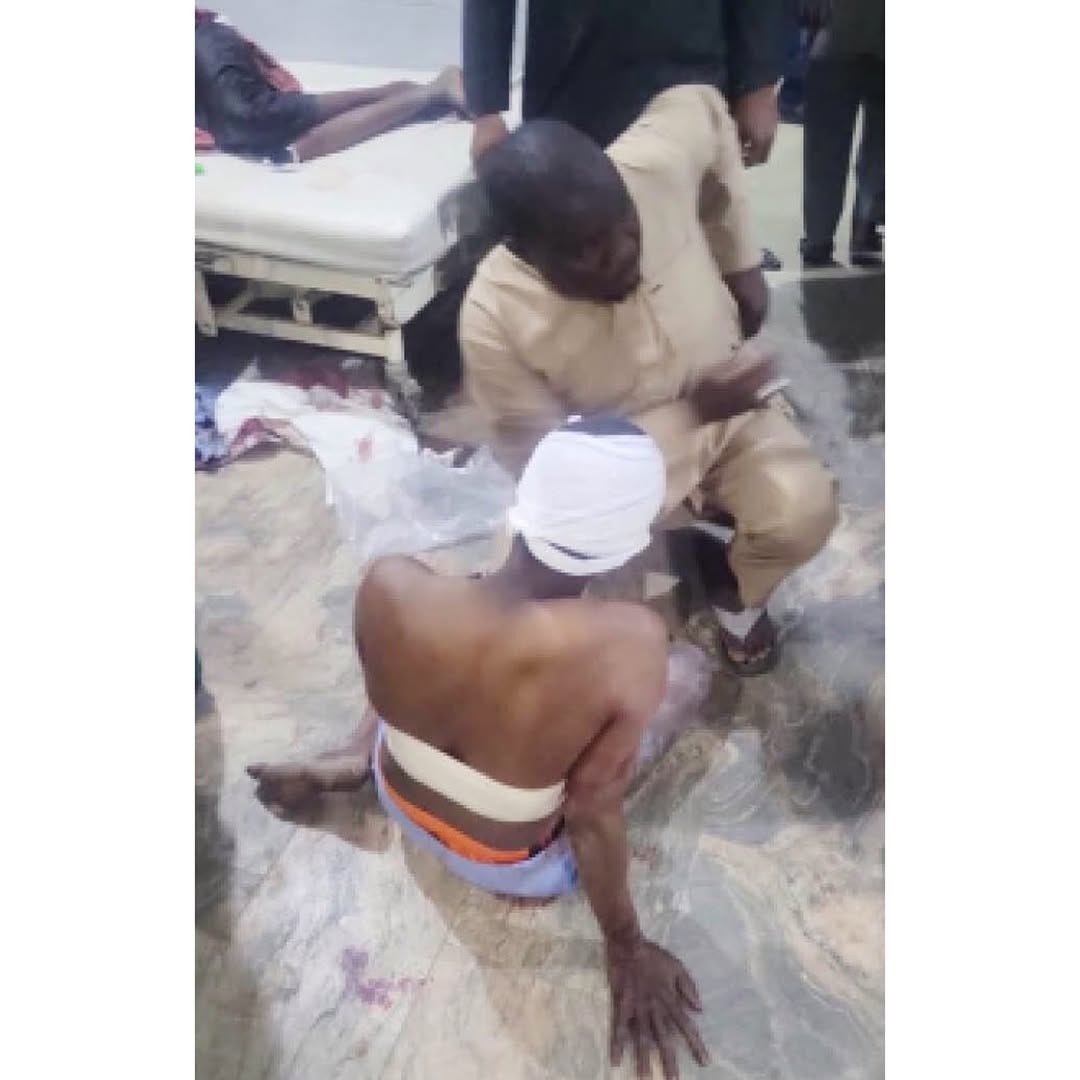
Victim at Hospital
While major territorial gains were made under Buhari, the persistence of attacks exemplified by Monday’s bombings underscores the challenge of achieving lasting peace.
As service chiefs prepare to relocate, the people of Maiduguri and Borno State await concrete actions beyond statements.
The coming weeks will test whether this renewed presence translates into effective countermeasures or remains a familiar, yet insufficient, response to enduring terror.
Read Also: Fuel Subsidy Removal Pushes 63% of Nigerians into Poverty, Study Reveals
Author

Sign up for The Insight Newsletter
Get in-depth, research and data-based interpretative reports from around Nigeria.