Nigeria This Week: 2027 Elections: Governors impose candidates and call it ‘consensus’

By Emmanuel Kwada
It has been a week defined by economic hardship, national security concerns, tragic losses, educational reforms, and intensifying political maneuvering.
From the rising cost of living weighing heavily on residents of the Federal Capital Territory, to the deaths of Nigerian pilgrims in Saudi Arabia during Hajj, the challenges are deeply personal for many families. This was compounded by the devastating civilian casualties from back-to-back market airstrikes in Zamfara and Yobe, and major changes to university admission requirements announced by JAMB.
Meanwhile, political parties are heating up their primaries ahead of 2027, producing early winners and losers that signal how the contest may unfold.
THE INSIGHT brings you through these developments with detailed, balanced reporting that captures the voices of ordinary Nigerians, government responses, and expert perspectives.
2027: Governors impose stooges as candidates in the name of ‘consensus’
As Nigeria’s political parties ramp up preparations for the 2027 general elections, the use of consensus arrangements has created tension across Nigeria. There is bitter lamentation in many quarters and across geopolitical zones.

AI-generated image for demonstration purposes.
In Gombe State, former Communications and Digital Economy Minister, Professor Isa Pantami, has strongly opposed the APC’s consensus adoption of Jamilu Gwamna as governorship candidate.
Pantami described the process as an “imposition and coronation,” insisting on direct primaries to reflect the will of party members.
In Borno State, the APC’s choice of Engr. Mustafa Gubio as consensus governorship candidate, backed by Governor Babagana Zulum, has left several aspirants who purchased nomination forms sidelined and aggrieved. Some Borno politicians have rejected the arrangement and are pushing for open contest.
In Lagos State, actor-turned-lawmaker Hon. Desmond Elliot faces mounting opposition in his bid for a fourth term representing Surulere Constituency I.
Strong calls for zoning the seat to a female candidate after his 12-year tenure have left Elliot and his supporters lamenting. The situation has drawn high-level attention, with Chief of Staff to President Bola Ahmed Tinubu, Hon. Femi Gbajabiamila, revealing that he “nearly lost his job” due to Desmond Elliot’s alleged involvement in the Lagos State House of Assembly crisis of 2025.
The statement has further complicated Elliot’s re-election prospects and intensified debates within Lagos APC circles.
In every contest, there will always be a winner and a loser.
While aggrieved aspirants across APC chapters and other parties decry what they term “undemocratic imposition,” those favoured by consensus deals are celebrating, viewing the arrangements as essential for party unity and victory in the general polls.
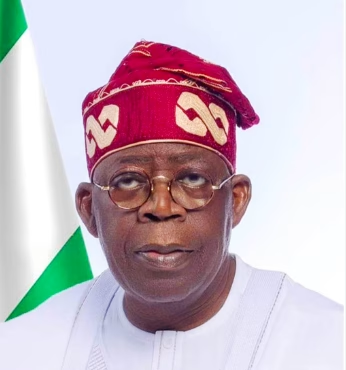
President Bola Tinubu has called for maturity, stating that where consensus fails, direct primaries should be conducted, and reminding politicians that “in every contest, there will always be a winner and a loser.”
As nomination deadlines approach, the emerging divisions underscore the delicate balance between internal party democracy and strategic harmonisation ahead of the 2027 elections.
FCT Commuters Struggle as Fuel Prices, Transport Fares Continue to Rise
Residents of the Federal Capital Territory (FCT) are expressing deep frustration over the frequent and unpredictable increases in fuel prices, which have led to sharp rises in transportation fares and added to the burden of the high cost of living.
In separate accounts shared with the News Agency of Nigeria (NAN), commuters, drivers, traders, and workers across Abuja described the situation as both mentally exhausting and economically damaging. Many say daily commuting has become a constant financial calculation that leaves little room for savings or other essential needs.
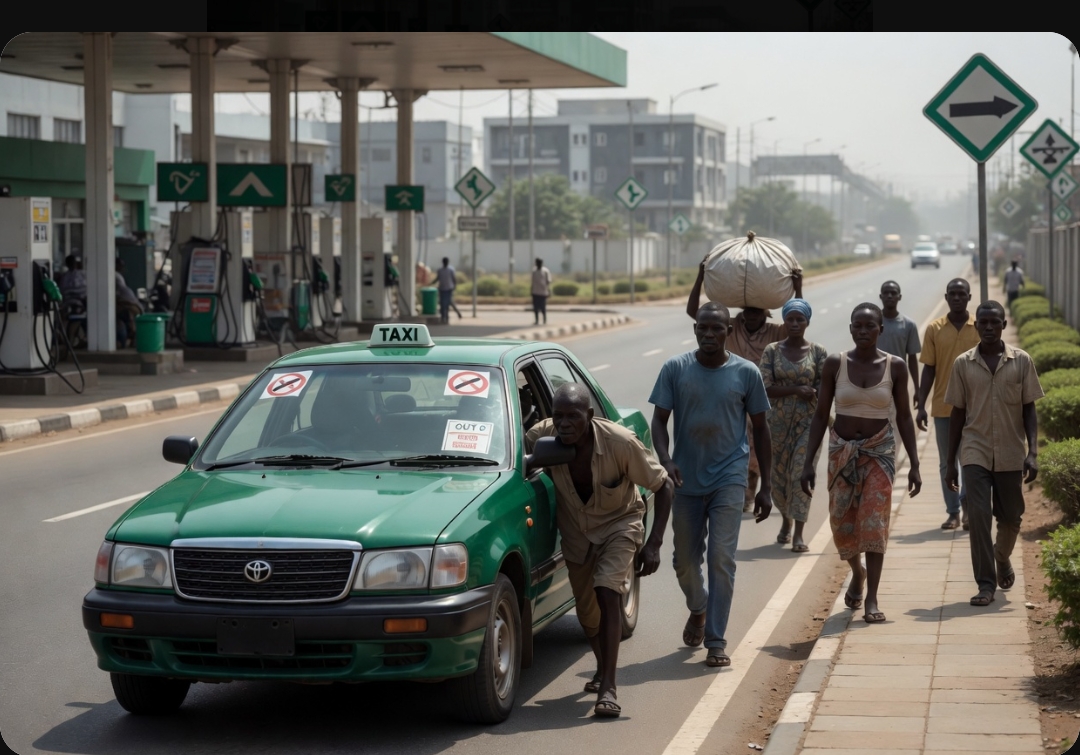
Ai Generated image for demonstration purpose:
Transportation crisis in Abuja.
According to reports, fuel prices for Premium Motor Spirit (PMS), commonly known as petrol, fluctuated multiple times within the past week. Prices reportedly moved from around ₦1,200 per litre to ₦1,275, then climbed to ₦1,350 before partially settling at ₦1,275 in some filling stations.
However, in several locations, motorists observed prices reaching as high as ₦1,500 per litre. Kerosene, widely used by low-income households for cooking, is now selling for up to ₦2,100 per litre in some areas.
One estate supervisor, Mr Muntari Suleman, speaking to NAN, said transportation costs now take a large portion of his income. “I spend close to ₦4,000 or more on transport daily, and I earn less than ₦150,000 monthly. After transport and feeding, there is almost nothing left,” he explained.
Nigeria is an oil producer. Higher oil prices should benefit us and not hurt us.
Suleman noted that food inflation had already been rising before recent global developments, moving from 8.89% in January to 12.12% in February. “Nigeria is an oil producer. Higher oil prices should benefit us and not hurt us,” he added.
A sales manager, Timothy Bada, who also spoke with NAN, highlighted the disconnect between earnings and expenses. He revealed that at one point he was spending about ₦120,000 monthly on fuel alone despite earning ₦300,000. “The economy does not really reflect what people are earning anymore,” he said.
One woman, a civil servant, Mrs Rose Ameh, working in Abuja, told NAN that fares on her route increased within a single day. Her usual transport cost from Airport Road to Central Area was ₦700–₦800, but it jumped to ₦1,000 within a day. “I even had to beg the driver before he agreed to ₦1,000 because he initially asked for ₦1,200,” she recounted.
Commercial drivers operating along major corridors such as Airport Road, Wuse to Nyanya, and Kubwa to Central Area expressed frustration over the unpredictability.
The economy does not really reflect what people are earning anymore.
A taxi driver, Mr Sunday Okoh, who operates along the Airport Road corridor, said the constant changes make it difficult to set consistent fares. “We do not even know what price to charge anymore. Fuel price keeps changing. Passengers are angry, but we also have to survive.”
Traders are equally affected. Mrs Lami Kawu, a trader at Garki International Market, explained that once prices rise, the cost of transportation and goods increases immediately, and these changes are hard to reverse even if pump prices drop later. “Even when they reverse the price, the market has already reacted. Transportation, goods, everything has gone up. You cannot reverse that,” she said.
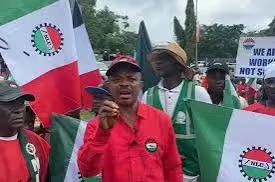
File Photo: NLC Members protesting the fuel pump price hike
She attributed the volatility to factors such as global crude oil price movements, foreign exchange challenges, and logistics costs, while noting that poor communication from authorities often increases public anxiety.
Civil servant Mr Aminu Danladi captured the general feeling among many residents: “It feels like we are no longer planning life, we are just managing survival. Every day is about how to get through the next.” He called for more stability in pricing so that people can plan their lives and budgets effectively.
Mrs Mercy Adeojo, founder of Women Strengthening Women (WSW), pointed to structural changes in Nigeria’s petroleum sector.
Following the removal of fuel subsidies and the start of operations at new domestic refineries, including private ones, many had hoped for more stable and lower pump prices. While these reforms are expected to improve supply in the long run, the short-term reality has been marked by uncertainty and high costs.
It feels like we are no longer planning life, we are just managing survival. Every day is about how to get through the next.
Petrol station attendant Mr Peter Maigari described the human cost on workers in the sector. He now sleeps at the station during the week because the high cost of daily commuting has become unsustainable. He warned that the latest price adjustments would push transportation costs and inflation even higher nationwide.
The fluctuations come at a time when many Nigerians are already grappling with elevated living expenses. The downstream petroleum sector continues to adjust after the subsidy removal policy, with expectations that increased local refining capacity would ease pressure on prices. However, frequent changes continue to create hardship for ordinary citizens.
Residents say what they need most is not just affordable fuel, but predictable pricing that allows for proper planning.
Hajj: Four Nigerian Pilgrims Die, 54 Hospitalised In Saudi Arabia
The National Hajj Commission of Nigeria (NAHCON) has confirmed that 54 Nigerian pilgrims have been hospitalised in Saudi Arabia during the ongoing 2026 Hajj exercise, while four deaths have been recorded so far.
The Head of the National Medical Team disclosed this while briefing journalists in Makkah on the health condition and welfare of Nigerian pilgrims participating in the pilgrimage.
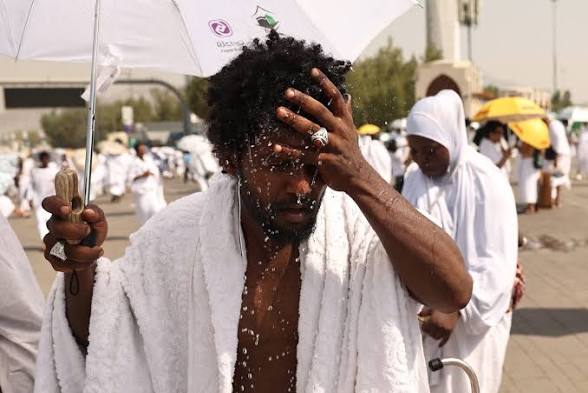
File photo: A Muslim pilgrim splashes water on himself at the base of Saudi Arabia’s Mount Arafat during the Hajj pilgrimage on June 15.
According to the official, NAHCON is currently operating five licensed clinics in Saudi Arabia to provide healthcare services to pilgrims. Two of the clinics are located in Madinah, while three are situated in Makkah.
The clinics in Madinah are located at Alsham’s Madinah Hotel and Buna Toiba within the Markazia area, while the Makkah facilities are based in Misfalah, Sharasittin and Niger House at Yabalash.
The medical team explained that operations commenced in Madinah shortly after the arrival of Nigerian pilgrims on April 28 following approval by Saudi authorities.
It added that unlike previous years, Saudi regulations this year only permitted full clinic operations, preventing the establishment of smaller medical outposts for minor cases. This, according to the team, has increased pressure on the available clinics due to the high number of patients seeking treatment.
Most of the fatalities were linked to heart-related complications, including suspected cardiac arrest and myocardial infarction.
The commission revealed that more than 24 patients had been referred to Saudi hospitals in Madinah, while over 30 referrals were made from Makkah, especially from the Misfalah clinic serving pilgrims from about 19 Nigerian states.
Patients requiring specialised or emergency treatment are being referred to facilities such as King Abdulaziz Hospital through Saudi emergency services.
The medical team disclosed that all four recorded deaths involved female pilgrims. Most of the fatalities were linked to heart-related complications, including suspected cardiac arrest and myocardial infarction, while another pilgrim reportedly died from complications arising from a strangulated hernia.
The official noted that stress associated with Hajj activities, harsh weather conditions and pre-existing medical conditions may have contributed to the deaths.
Pilgrims were also advised to avoid unnecessary exposure to extreme temperatures and remain adequately hydrated throughout the exercise.
287 medical personnel, including around 80 doctors and specialists, have been deployed to support Nigerian pilgrims during the Hajj.
NAHCON further disclosed that about 287 medical personnel, including around 80 doctors and specialists, have been deployed to support Nigerian pilgrims during the Hajj.
Also speaking, the Head of Clinic at Misfalah, Fatima Saddiq, described the workload at the facility as overwhelming due to the increasing number of patients.
She listed common ailments being treated to include malaria, body pains, catarrh, dehydration, diabetes, asthma and hypertension, as well as injuries such as bruises and cuts.
According to her, six doctors are deployed per shift daily to manage the growing health challenges among pilgrims.
Over 200 Civilians Killed in Back-to-Back Market Airstrikes in Yobe and Zamfara
Tragic back-to-back airstrikes by the Nigerian Air Force on crowded markets have left more than 200 civilians dead in Yobe and Zamfara states within weeks, sparking outrage among residents, civil society groups, and the international community.
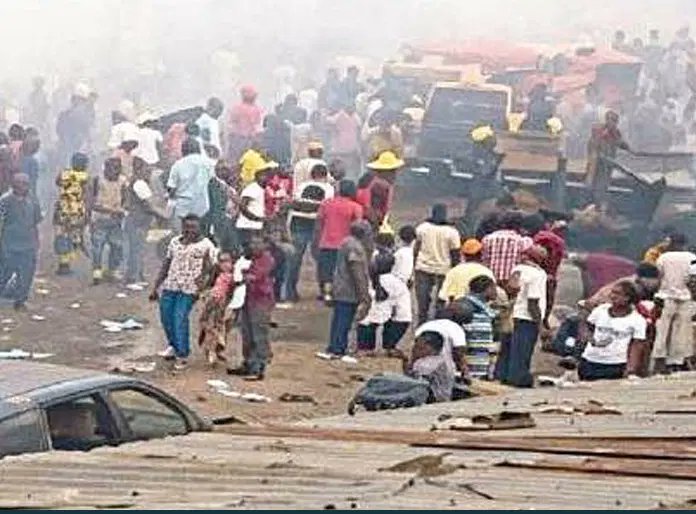
Devastating image from Jili Market after airstrike.
On April 11, 2026, an airstrike struck Jilli Market in Yobe State, near the border with Borno State. Local councillors and residents reported that over 200 people, primarily traders, women, and children, were killed when Nigerian Air Force jets targeted the busy market.
Eyewitnesses described scenes of devastation as shoppers fled the initial blasts. The Nigerian military confirmed conducting precision strikes in the Jilli axis under Operation Hadin Kai, describing the area as a known Boko Haram and ISWAP terrorist enclave and logistics hub.
While acknowledging the operation, authorities launched an investigation into civilian casualties. The Yobe State Government noted that Jilli has long served as a Boko Haram stronghold, though many victims were reportedly civilians.
In a similar incident on May 11, 2026, another airstrike hit Tumfa Market in Zurmi Local Government Area of Zamfara State, northwest Nigeria. Amnesty International and local sources reported at least 100 civilians killed, with dozens injured.
100 civilians killed, with dozens injured.
Residents condemned the strike on a crowded weekly market, while the military maintained it targeted terrorist hideouts amid ongoing banditry operations in the region.
The Nigerian Air Force and Defence Headquarters have expressed regret over civilian losses, describing the strikes as intelligence-driven operations against militants. Spokespersons emphasized ongoing investigations and commitment to minimizing collateral damage, while stressing the challenges of distinguishing civilians from combatants in terrorist-controlled or bandit-infested areas.
Residents in both states voiced deep frustration, with community leaders demanding transparency, compensation for victims’ families, and improved intelligence to prevent future tragedies. Protests have erupted in affected areas, highlighting repeated incidents of civilian harm.
The international community, including the United Nations, Amnesty International, and Western diplomats, has called for independent probes and adherence to international humanitarian law. Humanitarian agencies are providing emergency medical support, but hospitals remain overwhelmed amid shortages.
As casualty figures are reviewed, families mourn loved ones while authorities face mounting pressure for accountability.
JAMB Pegs 150 for Universities, 100 for Polytechnics, and Exempts UTME for Agriculture and Other Courses
The Joint Admissions and Matriculation Board (JAMB) has set the minimum admissible scores for the 2026/2027 academic session, retaining 150 as the benchmark for universities while pegging 100 for polytechnics.
The Board has also introduced a major exemption from the Unified Tertiary Matriculation Examination (UTME) for candidates seeking admission into Education and certain Agriculture programmes.
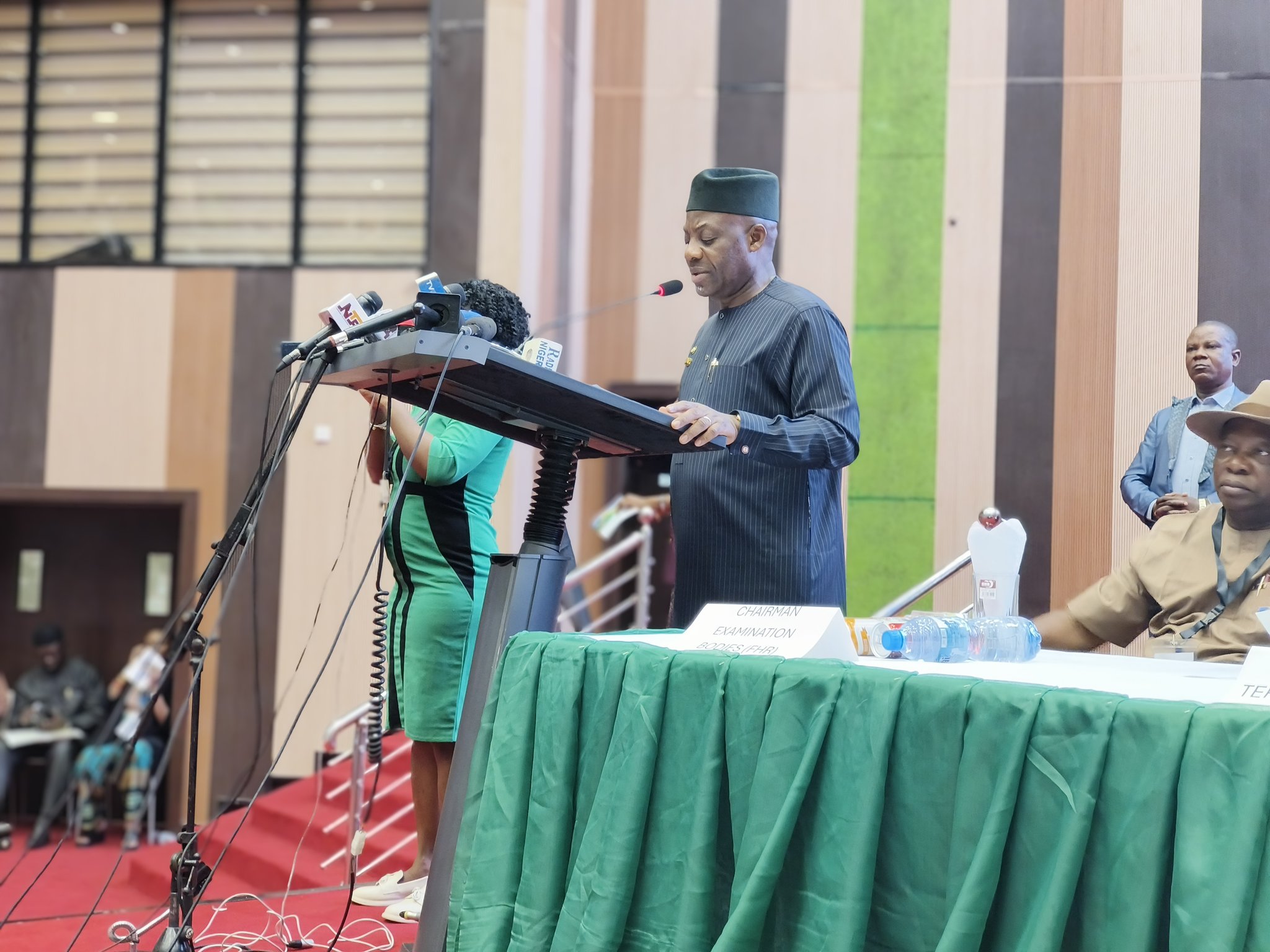
The Minister of Education Dr Tunji Alausa delivering his speech at the 2026 Policy Meeting
The decisions were reached at the 2026 Policy Meeting on Admissions into Tertiary Institutions held in Abuja. After extensive deliberations, heads of tertiary institutions across the country unanimously agreed to maintain the minimum score of 150 for admission into universities and colleges of nursing sciences.
For polytechnics and monotechnics, the minimum admissible score remains 100. These benchmarks serve as national baselines, with individual institutions retaining the right to set higher cut-off marks for specific programmes depending on their competitiveness and internal standards.
In a significant policy shift designed to address critical manpower shortages in key sectors, JAMB announced that candidates applying for Education programmes leading to the National Certificate in Education (NCE) as well as non-engineering Agriculture-related courses will no longer be required to sit for the UTME.
Candidates for these exempted programmes will only need to possess a minimum of four relevant O’Level credit passes that meet the specific entry requirements.
This exemption applies to Education courses in Colleges of Education and non-technology Agriculture programmes in Polytechnics and Colleges of Agriculture. Such programmes include Agricultural Economics, Agricultural Extension, Animal Science, Crop Science, Soil Science, Agronomy, Agricultural Business and similar disciplines.
Under the new arrangement, candidates for these exempted programmes will only need to possess a minimum of four relevant O’Level credit passes that meet the specific entry requirements of the chosen institution.
The policy is expected to reduce financial and psychological barriers for many young Nigerians, encouraging greater participation in teaching and agricultural professions that are vital to national development.
For university aspirants, the 150 minimum score remains unchanged from previous years. However, admission into highly competitive courses such as Medicine, Law, Engineering, Pharmacy and others in top-tier institutions will still demand significantly higher scores, often exceeding 200 and sometimes reaching 250 to 300 and above.
Candidates are therefore advised to target realistic scores based on their chosen programmes and institutions.
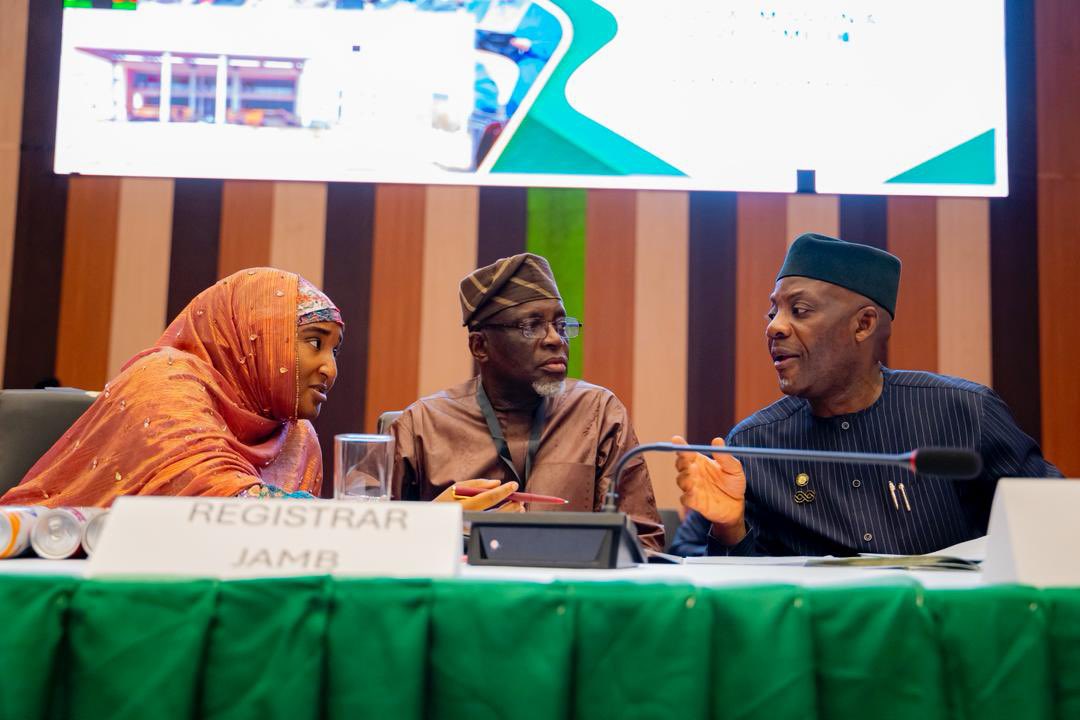
From left: Minister of state for Education Dr Suwaiba Said Ahmed, JAMB Registrar Prof Is-haq Oloyede and the Honorable Minister of Education Dr. Maruf Tunji Alausa, CON at the 2026 JAMB Policy Meeting on Admissions to Tertiary Institutions in Nigeria.
The lower benchmark of 100 for polytechnics is expected to make National Diploma programmes more accessible, particularly in technical and vocational fields. This could help increase enrolment in polytechnics and ultimately strengthen the country’s pool of skilled manpower needed for industrial and technological growth.
The UTME exemption for Education and Agriculture candidates represents a deliberate effort to revitalise these critical sectors. By removing the need to write the UTME, JAMB aims to attract more qualified individuals into teaching and modern agriculture without compromising core academic requirements at the institutional level.
The decisions were taken under the chairmanship of the Minister of Education during the policy meeting. JAMB Registrar, Prof. Is-haq Oloyede, noted that the policies seek to expand access to tertiary education while directing talent towards national priority areas such as education and agriculture.
Full implementation guidelines and further details are expected from JAMB and individual institutions in the coming days.
Read Also: “I Warned Them the Coup Would Fail” — Islamic Cleric’s Video Confession Played in Coup Trial
Author

Sign up for The Insight Newsletter
Get in-depth, research and data-based interpretative reports from around Nigeria.