
Weekly Roundup: The die is cast for 2027 elections, after primaries

By Emmanuel Kwada
Primaries Wind Down: Winners Emerge, Losers Jump Ship Despite New Law Prohibiting Party Switches
Nigeria’s major political parties wrap up their primaries for the 2027 general elections, a surge of high-profile defections has dominated headlines, exposing deep internal fractures, allegations of unfair primaries, and politicians’ willingness to switch platforms in pursuit of personal and regional ambitions.
These moves come despite recent amendments to the Electoral Act aimed at curbing party-switching, with many actors openly defying provisions intended to promote stability and party loyalty.
The updated Electoral Act, along with its proposed amendments, was designed to bring greater stability to the political system by prohibiting dual party membership, restricting double nomination, and imposing penalties that include fines or possible imprisonment for violations.
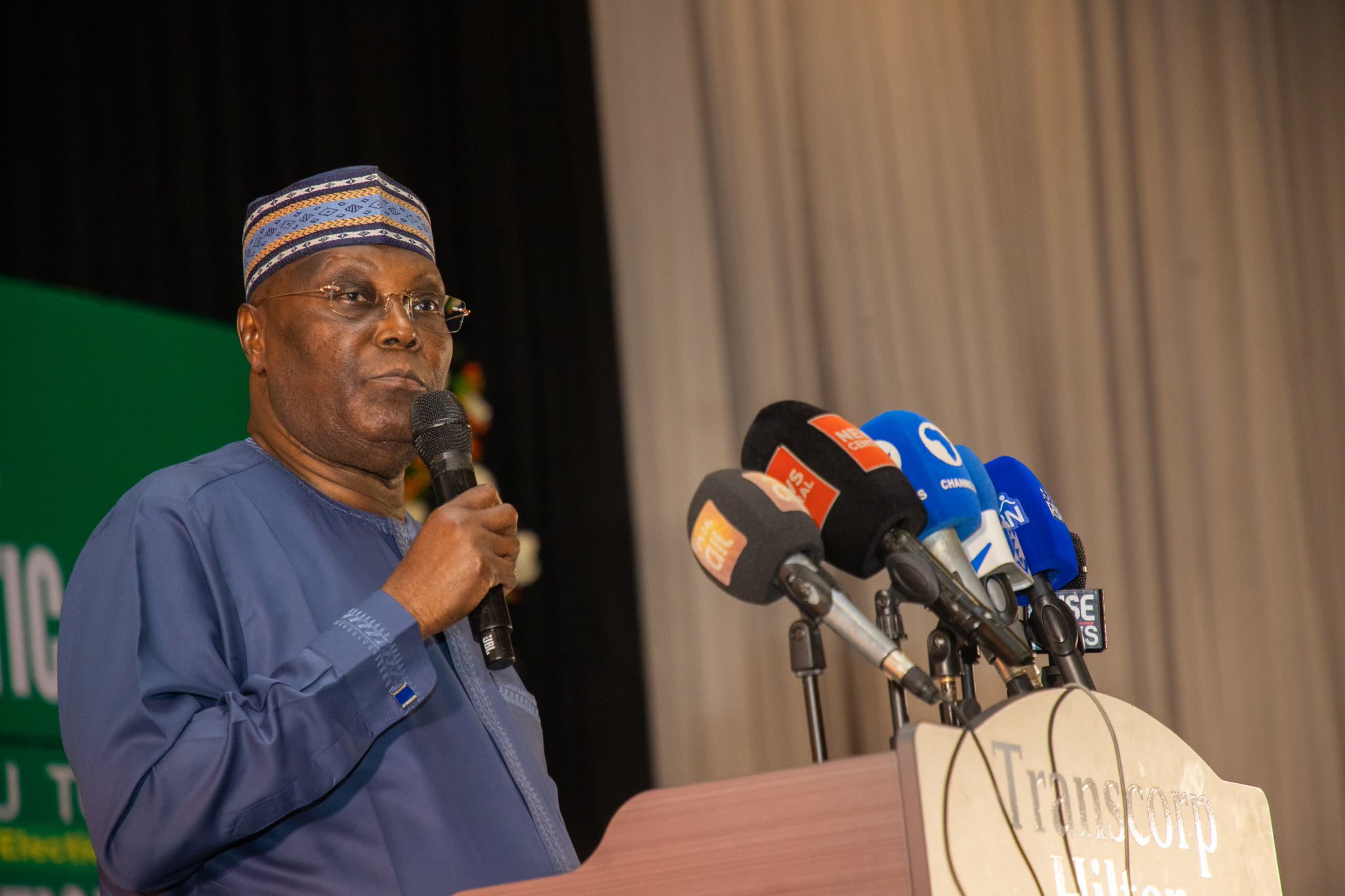
Atiku Abubakar
Lawmakers intended these provisions to curb the culture of frequent defections, promote party discipline, and reduce the transactional nature of Nigerian politics.
However, the measures have so far produced only limited deterrence. Many politicians appear undeterred, calculating that the pursuit of personal, regional, or ethnic interests outweighs the risk of legal repercussions, especially when enforcement mechanisms remain weak or when parties readily offer waivers and swift accommodations to attract high-profile figures.
Among the most prominent defectors is Isa Ali Ibrahim Pantami, the former Minister of Communications and Digital Economy.
Pantami exited the All Progressives Congress (APC) in Gombe State after pulling out of the governorship primary, citing alleged irregularities and a lack of transparency in the process. Barely days later, he joined the Peoples Democratic Party (PDP), where he was quickly affirmed as the party’s governorship candidate through a voice vote.
The rapid integration has triggered protests from other PDP aspirants in the state, who have questioned the fairness of the process and whether proper party guidelines were followed in admitting and endorsing the new entrant.
In a similar vein, former Deputy Senate President Ovie Omo-Agege formally resigned from the APC following a decisive loss in the Delta Central senatorial primary.
I am particularly worried about the toddlers who can barely feed themselves.
He subsequently moved to the National Democratic Congress (NDC), where the party granted him a waiver to contest for the Senate seat. Omo-Agege explained his decision as the outcome of wide consultations, stating that he sought a platform better positioned to allow him to continue serving his constituents effectively.
His move underscores a recurring justification offered by defectors: the belief that their political futures and ability to deliver representation are no longer viable in their former parties.
These high-profile cases are not isolated but emblematic of a wider trend sweeping across party lines.
Numerous politicians, disappointed by perceived imposition of candidates, lack of internal democracy, or outcomes that failed to protect their interests, have crossed over to rival platforms.
Defections have flowed particularly from the APC to parties such as the PDP and NDC, while realignments continue within the broader opposition.
On the presidential front, established names have secured their parties’ tickets, setting the stage for a highly fragmented contest that could mirror the multi-candidate dynamics of the 2023 election.
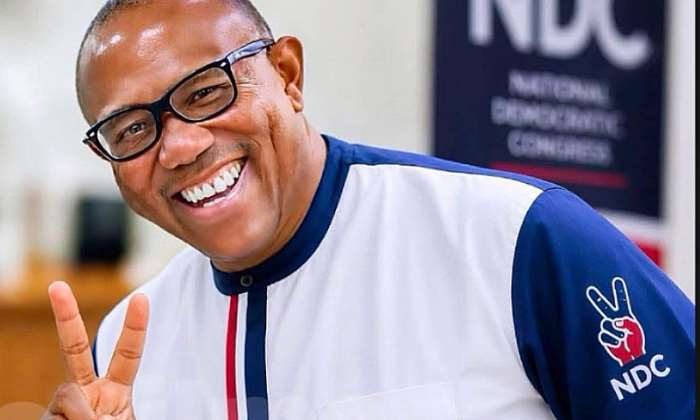
Peter Obi
President Bola Ahmed Tinubu recorded a landslide victory in the APC presidential primary, capitalising on the advantages of incumbency, robust party machinery, and his administration’s narrative around ongoing economic reforms. He enters the campaign as the ruling party’s standard-bearer with significant structural support.
In the opposition, former Vice President Atiku Abubakar clinched the African Democratic Congress (ADC) presidential primary with a commanding performance.
He is expected to draw heavily on his longstanding northern political networks as he makes another bid for the nation’s highest office.
Meanwhile, Peter Obi, the influential 2023 Labour Party candidate, transitioned to the National Democratic Congress (NDC) and secured its presidential ticket virtually unopposed.
Adding further diversity to the field, Oyo State Governor Seyi Makinde has emerged as the presidential candidate of the Allied Peoples Movement (APM), backed by an alliance that incorporates elements of the PDP.
Former Cross River State Governor Donald Duke is contesting on the platform of the Peoples Redemption Party (PRP), while former President Goodluck Jonathan is widely expected to join the race, with a faction of the PDP led by Turaki reportedly adopting him as its consensus candidate.
The multiplicity of presidential contenders — including Tinubu on the APC, Atiku on the ADC, Obi on the NDC, Makinde on the APM, and others — has intensified speculation about a crowded race that may ultimately split the opposition vote.

Governor Seyi Makinde receives certificate of return after emerging as APM consensus presidential candidate for 2027
While some opposition figures continue to explore possibilities of broader coalitions, the pattern of defections and separate platforms suggests that anti-incumbent forces risk fragmentation.
15 Days After Abduction, Borno and Oyo Schoolchildren Still Held in Captivity
Fifteen days after armed attackers abducted dozens of schoolchildren and teachers in Borno and Oyo states, the victims remain in captivity raising serious fears for their safety and well-being.
The twin abductions, which occurred on Friday, May 15, 2026, have sparked widespread outrage across Nigeria, especially as the country marked Children’s Day on Wednesday amid growing calls for urgent government action to secure the release of the children.
The worst has already happened, and we don’t have any power except the power of God. He is the only one who can save our little children.
In Borno State, Boko Haram insurgents attacked Mussa Primary and Junior Secondary School in Askira-Uba Local Government Area, abducting 42 pupils, including several toddlers aged between two and five years.
On the same day in Oyo State, gunmen kidnapped 46 persons — comprising seven teachers and 39 students — from Community High School, Ahoro-Esinle, and Yawota Baptist Nursery and Primary School in Oriire Local Government Area. A two-year-old girl, Christianah Akanbi, was among those taken, and one teacher, Michael Oyedokun, was killed during the attack.
“The worst has already happened, and we don’t have any power except the power of God. He is the only one who can save our little children,” said Mohammed Sale, a parent of one of the abducted pupils.
Another mother, who identified herself only as Sarah, broke down in tears while speaking to journalists. “Nobody has contacted us. We have had no information about them since the day they were taken. I am particularly worried about the toddlers who can barely feed themselves,” she said.
A teacher at the Borno school, who preferred anonymity, revealed that many parents have stopped sending their children to school. “Whenever I see the empty classrooms, the pain returns,” she added.

Abducted Oyo students, teachers cry from captivity
In response, the Borno State Government has ordered the indefinite closure of the affected school. Commissioner for Education, Engr Lawan Abba Wakilbe, who visited the community, directed that the pupils be relocated to safer learning centres under the Safe Schools Initiative. He assured parents of Governor Babagana Zulum’s commitment to their children’s safety.
However, the President of the Borno South Youth Alliance, Samaila Ibrahim Kaigama, criticised both state and federal governments for what he described as an inadequate response. He noted that over 400 other abductees from previous incidents in Ngoshe remain in captivity.
In Oyo State, the husband of the abducted school principal, Professor Wole Alamu, appealed for restraint in public discussions. “Serious work is being done behind the scenes. Anything said now may jeopardise the rescue operations,” he told Eagle 102.5 FM.
To families grieving and despondent, your government will continue to work until children taken from their homes, schools and communities are returned safely
Local residents described the attack as horrifying, noting that the attackers used sophisticated weapons similar to those of Boko Haram. The Chairman of Oriire Local Government, Alabi Olateju Michael, said security forces have surrounded the kidnappers and expressed hope that the victims would soon be freed.
The Chief of Defence Staff, Gen. Olufemi Oluyede, has deployed special forces and aerial surveillance to the area. The Director of Defence Media Operations, Maj. Gen. Michael Onoja, confirmed that troops are conducting aggressive operations based on useful intelligence.
In his Children’s Day message, President Bola Tinubu vowed that his administration would not rest until all abducted children are safely returned and the perpetrators brought to justice.
“To families grieving and despondent, your government will continue to work until children taken from their homes, schools and communities are returned safely,” President Tinubu said.
No child should experience fear and violence in a place meant for learning.
He directed security agencies to intensify intelligence-led rescue operations and strengthen the Safe Schools framework, including better school protection, rapid response systems, and community early warning mechanisms. The president also emphasised the need for proper rehabilitation and reintegration support for rescued children.
Oyo State Governor Seyi Makinde similarly assured residents that all abducted victims would be rescued. “We are working round the clock to ensure the abducted children are reunited with their families,” he said.
Security expert and retired Naval Commodore Kunle Olawunmi blamed the rising insecurity on poor governance, poverty, and unemployment. “This country deserves a better government,” he stated, calling for merit-based appointments in the security sector.
The Christian Association of Nigeria (CAN) described the abductions as painful and traumatic, urging governments to treat the protection of children and schools as a national priority. “No child should experience fear and violence in a place meant for learning,” CAN said.
This country deserves a better government.
Former Minister of Education, Dr Obiageli Ezekwesili, criticised political leaders for neglecting Nigerian children, highlighting the high number of out-of-school children and repeated school abductions.
As the 15-day mark passes with the children still missing, anxiety continues to mount among families and communities. The incidents have once again thrown a spotlight on the persistent challenge of school-targeted attacks and the broader insecurity plaguing parts of Nigeria.
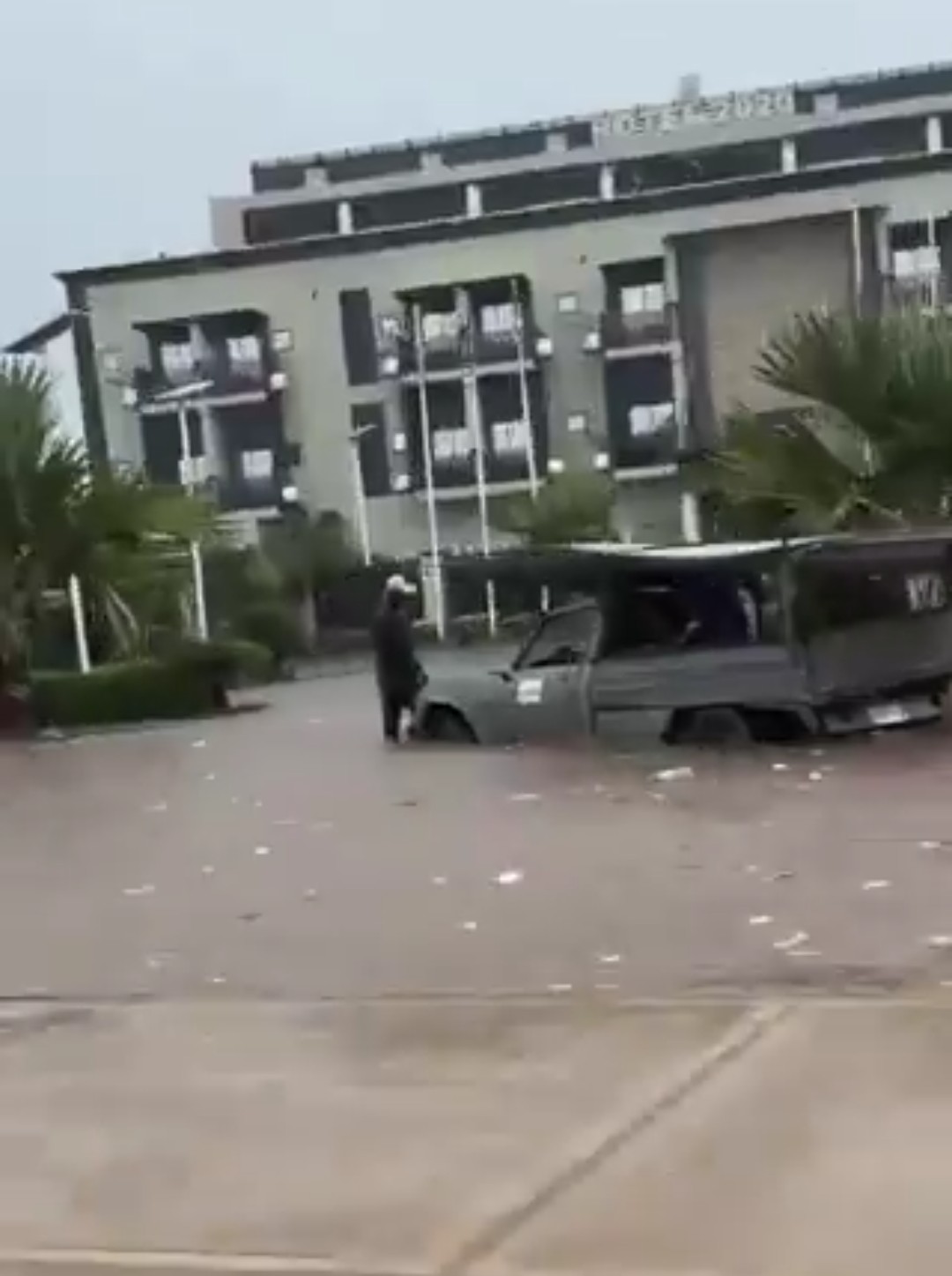
Abuja residents stuck on flooded roads in the FCT.
FCT residents panic as flooding worsens due to blocked drainages
Heavy rainfall on Monday submerged several major districts in the Federal Capital Territory, turning roads into rivers and leaving vehicles stranded, as concerns mount over the FCT’s vulnerability to flooding caused by blocked drainages and illegal developments.
Josef Onoh, former spokesman for President Bola Tinubu’s campaign in the South East and ex-Chairman of the Enugu Capital Territory Development Authority, blamed the recurring floods on reckless construction and criminal encroachment on natural water channels. He described the latest flooding as the direct result of years of unregulated development rather than just heavy rainfall.
Onoh recalled that he had raised similar concerns last year about the systematic blockage of natural water channels in the FCT, but those warnings were ignored.
If urgent attention is not given to this matter, not only will FCT residents soon resort to using boats to access different parts of the city.
He called on President Tinubu to direct the FCT Minister, Nyesom Wike, to take urgent steps including a comprehensive audit and mapping of all encroached waterways and floodplains, the revocation and demolition of illegal structures built on waterways, mass desilting and rehabilitation of drainage systems in vulnerable districts, and strict enforcement of environmental protection laws to prevent further encroachment.
“If urgent attention is not given to this matter, not only will FCT residents soon resort to using boats to access different parts of the city after every rainfall, but critical infrastructure including roads, bridges, public buildings, and utilities will be in serious danger. Most importantly, human lives will continue to be at grave risk,” Onoh warned.
Videos circulating on social media showed the severity of the flooding, with many areas experiencing major disruptions to movement and daily activities.
Flooding has become an annual problem in parts of Abuja during the rainy season. Urban planners have repeatedly attributed the crisis to poor drainage systems, construction on floodplains, and the blockage of natural waterways by developers. As the rainy season gains momentum, there are growing calls for swift government intervention to prevent a larger environmental and humanitarian crisis in the nation’s capital.
Xenophobia crisis worsens as students tell non-South African classmates to leave
In a disturbing escalation of anti-foreigner sentiment, hundreds of secondary school students in Kraaifontein, Cape Town, staged violent protests this week, demanding that non-South African learners be forced to leave their schools.
The unrest, which began on Wednesday, 28 May 2026, involved students from Masibambane High School and Hector Peterson High School. The learners abandoned their classrooms en masse, took to the streets, and paralysed normal activities in parts of the area for several hours.

A screenshot from a video where South African students tell why foreign students should leave.
Eyewitness accounts and video footage that circulated widely on social media platforms, including Facebook, X (formerly Twitter), Instagram, and TikTok, showed uniformed students chanting slogans against foreign nationals, running through busy roads, and looting roadside fruit stalls. Motorists were forced to navigate the chaotic scenes as protesters blocked major routes.
According to police reports, the demonstration quickly turned violent. Some students allegedly assaulted a foreign national and attacked roadside traders.
In separate incidents, learners from one of the schools pelted passing vehicles with stones, while others targeted cars belonging to school staff members.
The protesters later marched towards the Kraaifontein Police Station, disrupting public movement and looting shops and informal stalls along the way. Local authorities described the scenes as chaotic, with significant disruption to both educational activities and small businesses in the area.
Western Cape police responded swiftly by deploying Public Order Police units to restore calm. Officers escorted the students back to their schools and stabilised the situation. Police spokesperson Captain FC van Wyk confirmed that reports of the protest were received around 8:30 a.m.
People understand the science of hygiene, but the enabling environment is missing.
“The members attended to the complaint and restored order in the area,” Captain van Wyk stated.
The Western Cape Education Department acknowledged the incident, noting that the unrest originated at Masibambane Secondary School before spreading to neighbouring schools and surrounding communities.
Education officials have launched an investigation into the cause of the protest and are monitoring the situation to prevent further escalation.
This latest episode highlights the deepening xenophobic crisis in South Africa, where foreign nationals — particularly from other African countries — have repeatedly become targets of violence and discrimination. Over the years, similar tensions have led to deadly attacks on immigrants, their businesses, and properties, especially in townships and informal settlements.
South Africa continues to grapple with high unemployment, economic hardship, and service delivery challenges, factors that are often exploited by opportunists to stoke anti-foreigner violence.
Government officials and civil society groups have repeatedly condemned xenophobia, but critics argue that stronger measures and public education campaigns are needed to address the root causes.
As investigations continue, many are calling for urgent intervention by both education and law enforcement authorities to protect foreign learners and prevent schools from becoming breeding grounds for intolerance.
The incident comes amid broader national conversations about immigration policy, integration, and the need for sustainable solutions to address South Africa’s complex socio-economic challenges.
Handwashing Infrastructure Gaps Threaten Ebola Preparedness in FCT, Experts Warn
Public health experts have raised serious concerns over significant gaps in handwashing infrastructure and economic barriers in the Federal Capital Territory (FCT), warning that these deficiencies — rather than lack of awareness — are undermining hygiene practices and increasing vulnerability to Ebola and other infectious diseases.
You cannot expect behaviour change where there is no water or soap.
The warning comes as Africa experiences renewed vigilance following recent Ebola outbreaks in parts of the continent. Experts emphasise that consistent hand hygiene remains one of the most effective defences against the deadly virus, which spreads primarily through contact with infected bodily fluids.
In separate interviews with the News Agency of Nigeria (NAN) on Thursday in Abuja, specialists highlighted that while knowledge of hand hygiene is generally high among FCT residents, actual compliance remains low due to systemic challenges.
A study titled “A Survey of Hand Washing Behaviour and Awareness among Health Care Workers in Kubwa District, Bwari Area Council, FCT Abuja, Nigeria,” found strong theoretical knowledge of infection prevention among healthcare workers, yet compliance was poor because of irregular access to soap and running water.
Similarly, a 2025 study on university students revealed a clear gap between knowledge and practice, with environmental limitations identified as the major obstacle.
Dr Gabriel Adakole, a public health expert based in the FCT, described the situation as a systemic failure.
The lack of handwashing stations in markets, motor parks, and schools reduces the likelihood of habitual handwashing.
“People understand the science of hygiene, but the enabling environment is missing. You cannot expect behaviour change where there is no water or soap,” he said.
Dr Adakole noted that many residents in satellite communities depend on manually fetched water, making proper handwashing under running water difficult.
He added that economic pressures often force households to prioritise food over essential hygiene items like soap. Shared water containers, he warned, could even increase contamination risks.
Dr Folasade Olusola-Momoh, Executive Director of the Centre for Social Health Education and Environmental Hygiene (CSHEEH), pointed to the absence of visible handwashing facilities in public spaces.
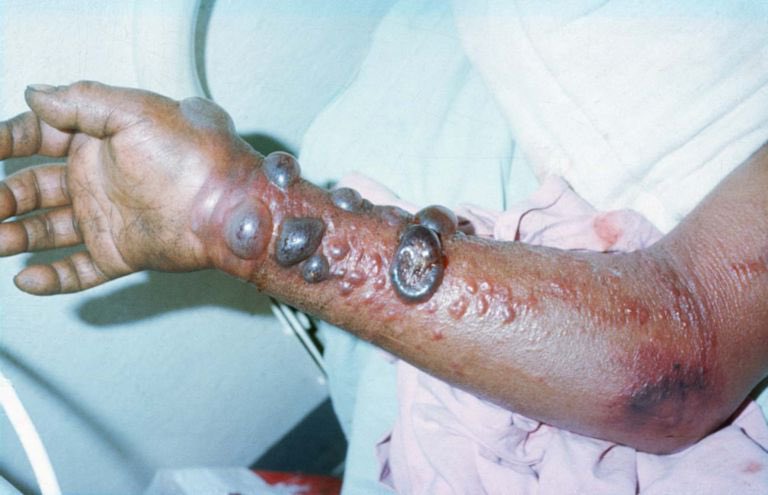
Image of Ebola Virus Disease patient
“The lack of handwashing stations in markets, motor parks, and schools reduces the likelihood of habitual handwashing, even among knowledgeable individuals,” she said.
She highlighted stark disparities in sanitation across the FCT: while upscale areas such as Maitama and Asokoro enjoy better infrastructure, communities in Bwari, Kwali, and other satellite towns continue to struggle with poor waste management, open defecation, and limited access to clean water.
Mrs Chika Nwankwo, Head of Programmes at the Vaccine Network for Disease Control (VNDC), stressed the public health implications.
“These gaps could heighten vulnerability to infectious disease outbreaks, including Ebola,” she warned.
Nwankwo explained that beyond awareness campaigns, there is an urgent need for sustained investment in Water, Sanitation, and Hygiene (WASH) infrastructure and policies that guarantee affordable access to hygiene materials.
She noted that bridging the knowledge-practice gap is essential not only for Ebola preparedness but also for controlling endemic diseases like cholera and Lassa fever.
The Nigeria Roadmap to Hand Hygiene for All, developed with UNICEF, has already identified widespread gaps in access to handwashing facilities across households and public institutions in the country, including the FCT.
Health authorities have urged residents of Abuja and surrounding areas to maintain proper hygiene practices as a personal and collective responsibility, even as government and stakeholders are called upon to address the infrastructure deficits.
Cholera Outbreak Kills 27 in Borno State
At least 27 people have died from a cholera outbreak that has swept through several parts of Borno State, with 2,715 suspected cases recorded in the first 24 days of May 2026.
An official epidemiological report shows the outbreak has affected six local government areas: Jere, Mafa, Konduga, Monguno, Ngala, and Magumeri. Maiduguri Metropolitan Council (MMC) remains the epicentre, recording 1,568 suspected cases — more than half of the total infections in the state.
According to the breakdown, Jere Local Government Area reported 834 cases, Mafa 159, Konduga 95, Monguno 56, Ngala two cases, and Magumeri one case. The disease has spread across 29 wards and 124 communities.
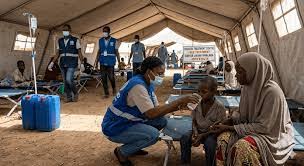
UNICEF Staff attending to Cholra patients in Maiduguri
Of the 27 deaths, 11 occurred in communities — raising serious concerns about delayed access to healthcare and poor emergency response — while 16 deaths were recorded in health facilities. The current Case Fatality Rate (CFR) stands at 1%, which meets the World Health Organisation’s threshold for urgent intervention.
Medical officials have warned that the actual number of cases could be higher, as data from some Cholera Treatment Centres (CTCs) and Oral Rehydration Points (ORPs) are yet to be fully captured. The situation has been described as rapidly escalating, with hundreds of new suspected cases reported within a 24-hour period.
Health workers, particularly those in the non-governmental sector, have expressed worry over the state government’s delay in declaring a public health emergency and rolling out a large-scale public awareness campaign.
When contacted for comments, Dr Goni Imam Ali, Director of Public Health at the Borno State Ministry of Health, said the report did not originate from the ministry and declined to make further statements.
Cholera, a waterborne disease caused by contaminated food or water, thrives in areas with poor sanitation and limited access to clean water — conditions worsened in many parts of Borno by years of insurgency, displacement, and overstretched infrastructure.
Public health experts fear that without swift intervention, the outbreak could spread further, especially as the rainy season approaches, which often exacerbates waterborne diseases in the region.
Residents have been advised to maintain strict personal hygiene, drink only treated water, and seek immediate medical attention if they experience symptoms such as severe diarrhoea and vomiting.
Read Also: 10 promises Tinubu made in his third anniversary speech on May 29, 2026
Author

Sign up for The Insight Newsletter
Get in-depth, research and data-based interpretative reports from around Nigeria.


