How We Are Preparing For 2027 Elections – Nigerians
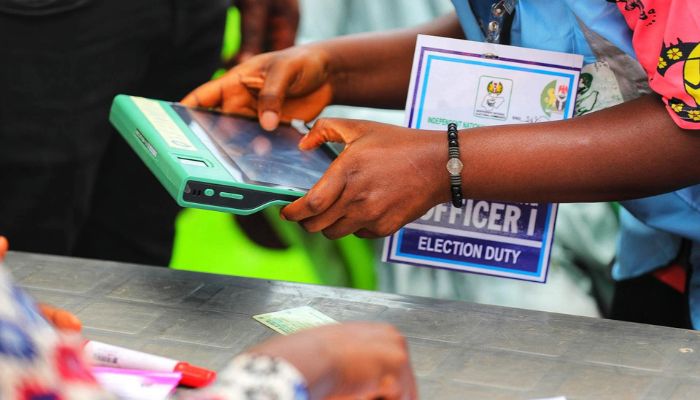
By Emmanuel Kwada, Abuja; Hafsat Usman Ukissa, Kaduna; and Zubainatu Umar Kambari, Adamawa
As Nigeria moves towards the 2027 general elections, a growing number of citizens say they are willing to vote, but concerns over insecurity, economic hardship, electoral credibility and political accountability are raising questions about whether that willingness will translate into actual participation.
From university students and teachers to civil servants, business owners, religious leaders and legal practitioners, Nigerians interviewed by THE INSIGHT expressed varying levels of confidence in the electoral process. While many said they intend to vote, others remain uncertain about whether their votes will make a difference or whether they can safely reach their polling units.
I am going to vote and I am calling on all my followers and Nigerians to come out en masse to vote.
Their concerns mirror findings from Yiaga Africa’s October 2026 National Voting Intentions Survey, which paints a picture of an electorate that wants to participate in the democratic process but remains worried about the conditions under which elections will be conducted.
The survey, titled Willing But Wary: 2027 Elections — National Voting Intentions Survey III, found that 84 per cent of respondents were likely or very likely to vote in 2027. However, only 47 per cent said they were very likely to participate.
More concerning, 61 per cent said fear of violence could prevent them from voting, while only 34 per cent expressed confidence that the Independent National Electoral Commission (INEC) would conduct credible elections.
The findings suggest that Nigeria’s challenge ahead of 2027 is not simply persuading citizens to vote, but ensuring that they have sufficient confidence in the electoral process to turn their intentions into action.
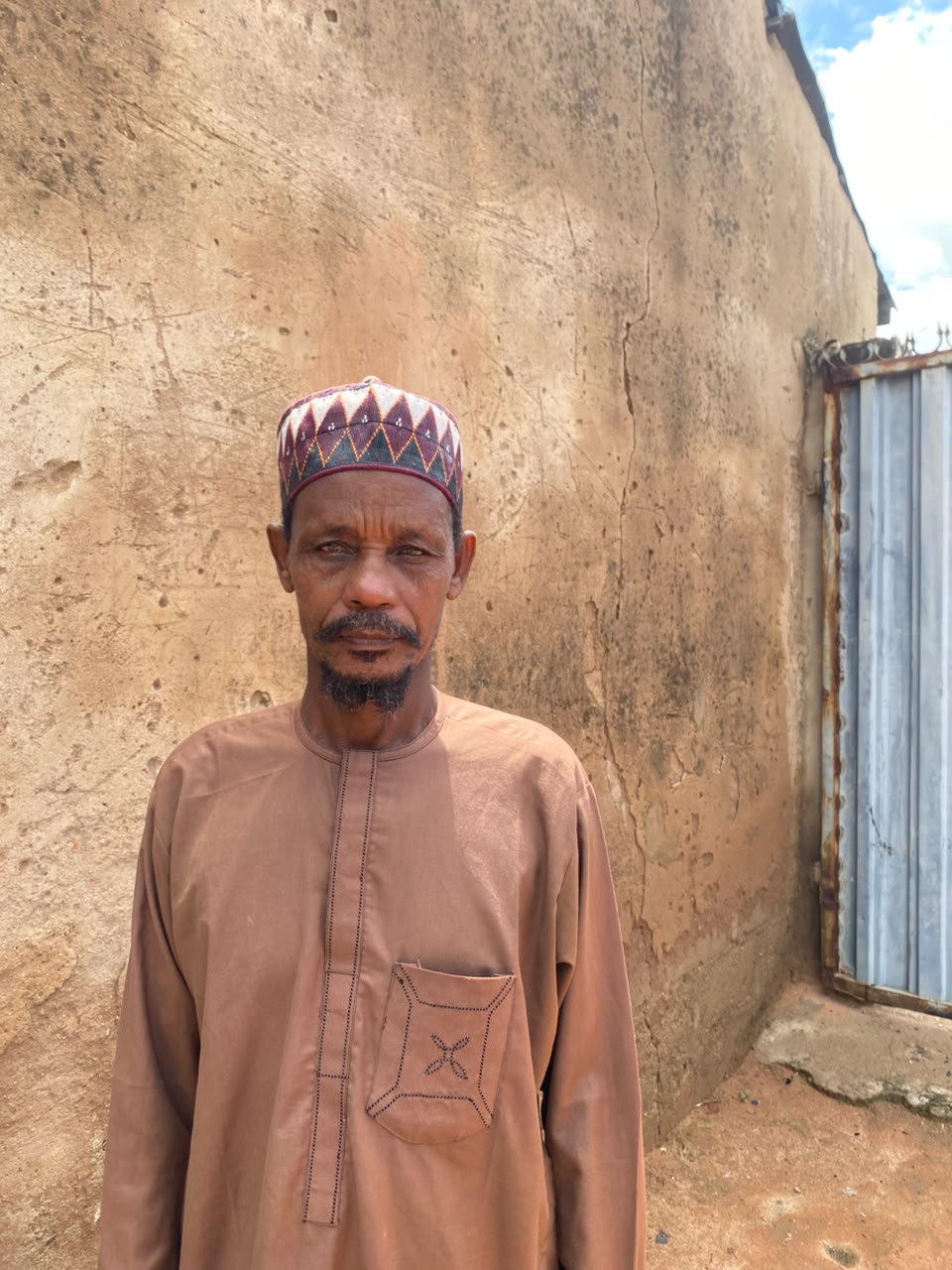
Abubakar Ya’u Jiddo
The survey interviewed 2,470 Nigerians aged 18 and above across the country’s 36 states and the Federal Capital Territory in September 2026. It combined telephone interviews with face-to-face interviews in rural communities and reported a national margin of error of approximately ±2.1 percentage points at 95 per cent confidence.
Voting as a Civic Responsibility
For Mallam Abdullahi Suleiman of the Jumat Mosque, Mararaba, voting is an opportunity for citizens to influence the country’s direction and hold their leaders accountable.
He said he intends to participate in the 2027 elections and urged other Nigerians to do the same.
“I am going to vote and I am calling on all my followers and Nigerians to come out en masse to vote.”
However, Suleiman said participation alone would not be enough without a credible electoral process and adequate security.
“I am calling on INEC to do the right thing to restore confidence in the hearts of Nigerians. The Federal and State Governments should ensure a peaceful, free and fair election and provide adequate security.”
I am calling on INEC to do the right thing to restore confidence in the hearts of Nigerians. The Federal and State Governments should ensure a peaceful, free and fair election and provide adequate security.
His position reflects a broader sentiment identified in the Yiaga Africa survey, which found that 73 per cent of respondents regarded voting as a civic duty.
Nevertheless, the survey also revealed a gap between the willingness to participate and confidence in the institutions responsible for organising elections.
For many Nigerians, the question is no longer simply whether voting is important, but whether the electoral system can adequately protect their votes and reflect their choices.
Security and the Economy Dominate Concerns
Dr. Robert Samson
For Dr. Robert Samson, a 42-year-old lecturer in Yola, Adamawa State, voting remains an important responsibility despite the challenges confronting the country.
“My plan for 2027 elections, is to exercise my civic responsibility as a compatriot, i will vote by God grace.”
Samson, who confirmed that he has a Permanent Voter’s Card (PVC), identified insecurity, economic hardship and the transmission of election results from polling units as issues requiring urgent attention.
“The biggest issues that i want government to fix is First Security challenges, Implementing economy policies that will mitigate the hardship in the country, finally transmission of election results direct from the polling unit.”
He said he feels sufficiently secure to participate, although he acknowledged that insecurity remains a concern in parts of the country.
Samson believes greater voter awareness and improved understanding of the electoral process could help make the 2027 elections different from previous polls.
“My message to Nigerians we should come out in mass to exercise our civic responsibility and vote, we should vote for a competent leader, a leader that has all the quality of leadership.”
Samson A Tola
He also urged politicians and their supporters to accept electoral outcomes peacefully.
“God is the giver of all political positions not a human so we should accept all the outcome of the results with good faith.”
The concerns raised by Samson are reflected in Yiaga Africa’s survey, which identified the economy and jobs, at 38 per cent, and security, at 36 per cent, as the two leading issues influencing voters’ priorities.
The survey also found that 71 per cent of respondents rated the economy as poor or very poor.
These findings suggest that voters are likely to scrutinise candidates’ proposals on employment, security and economic recovery rather than relying solely on party loyalty or campaign promises.
‘I Am Prepared to Come Out and Vote’
Samson A. Tola, a 32-year-old civil servant and former military man from Jimeta, Adamawa State, said he remains undecided about participating in the 2027 elections despite possessing a PVC.
Although he expressed confidence in his personal ability to reach the polling unit safely, he identified insecurity as the most pressing issue the government must address.
“I feel 100% secure to go out and vote due to my background as a former military man.”
Tola also criticised what he described as excessive emphasis on personal wealth among political leaders, arguing that elected officials should focus more on the welfare of ordinary Nigerians, particularly the poor and vulnerable.

Kamal Sani Ahmad
His position highlights an important distinction in the debate over voter participation: some citizens may feel personally prepared to vote while remaining dissatisfied with the political environment and the quality of leadership.
For others, however, insecurity remains a direct obstacle.
Yiaga Africa’s survey found that 82 per cent of respondents were very concerned that insecurity would affect the elections. It also identified fear of violence as the single biggest barrier to participation.
The concern was particularly pronounced in the North-East, where 78 per cent of respondents said fear of violence could stop them from voting.
The findings underline the importance of credible election security arrangements, particularly in areas where communities have experienced prolonged insecurity.
‘We Are Not Beggars’: Nigerians Reject Vote-Buying Culture
For Kamal Sani Ahmad, a 26-year-old agro-commodities businessman from Ramin-kura, Lere Local Government Area of Kaduna State, the 2027 election should be an opportunity for citizens to assess candidates based on their ability to address the country’s problems.
He said his decision would not be determined by political party affiliation.
My decision will not be based on political party affiliation, but on what each candidate can offer the people and how they intend to address the challenges we are facing.
“My plan is to assess every candidate based on what they can do for the people, particularly how they intend to address insecurity, education and the country’s economy.”
He added: “My decision will not be based on political party affiliation, but on what each candidate can offer the people and how they intend to address the challenges we are facing.”
Ahmad also strongly criticised the practice of distributing money, food and other items to influence voters during elections.
“We are not beggars.”
He questioned the practice of politicians offering temporary relief during election campaigns while failing to address the underlying causes of poverty and hunger.
“How can you contribute to creating hunger and poverty among the people and then come back to give them food as if they are beggars or starving people?”
According to him, governments should prioritise security, education, poverty reduction and the revival of industries and manufacturing.
His criticism comes against the backdrop of findings from Yiaga Africa’s survey, which found that 19 per cent of respondents reported receiving money or gifts in exchange for their votes.
The figure rose to 32 per cent in the North-West and 24 per cent among young people aged 18 to 35.
Furthermore, 56 per cent of respondents believed vote-buying would affect voter turnout in 2027.
The findings suggest that vote-buying remains a significant concern for electoral integrity, particularly where economic hardship makes financial inducements difficult for some voters to resist.
However, the survey also found that inducements did not independently increase the likelihood of a firm intention to vote after other factors were considered.
For voters such as Ahmad, the central demand is for elections in which candidates compete through credible policies and measurable commitments rather than financial inducements.
Young Nigerians Want Jobs, Education and Security
The concerns of younger voters were also evident in the interviews conducted by THE INSIGHT.

Friday Ameh
Hauwa Muhammad Danladi, a 20-year-old 300-level student in Yobe State, said she intends to vote and already possesses her PVC.
She identified the rising cost of living, insecurity and education as her major concerns.
“Things are expensive for students and we need stable schools and safe communities.”
Danladi said adequate security at polling units would strengthen her confidence in participating.
She also explained that growing older had changed her understanding of politics and its implications for her future.
“What is different about 2027 is that I was younger in the last elections. Now at 20, I am more aware and understand how politics affects my future.”
Her message to young Nigerians was straightforward: “Get PVC and vote, don’t sell your vote.”
‘I Don’t Feel Safe’
For Friday Ameh, a 34-year-old academic and tutor living in Mararaba, Nasarawa State, the decision to vote is accompanied by concerns about personal safety.
I don’t feel safe coming out to vote in 2027, considering the level of insecurity in the country.
Ameh confirmed that he possesses a PVC and intends to vote, but he remains worried about the security situation.
“I don’t feel safe coming out to vote in 2027, considering the level of insecurity in the country.”
He said the election would be an important opportunity for Nigerians to assess the direction of the country and the performance of the current administration.
“The 2027 election is different from the previous election because its outcome will determine whether the Tinubu administration has kept its promise of renewing the hope of Nigerians or renewed their hopelessness.”
Ameh urged voters to assess candidates on their records and ability to govern rather than allowing ethnic, religious or regional considerations to determine their choices.
“Nigerians should avoid selling their votes. Nigerians should understand that the power of the people is greater than the people in power.”
He also called on INEC to ensure that the elections are free, fair, credible, transparent and inclusive.
His concerns reflect a central finding of the Yiaga Africa survey: fear of violence is not a marginal issue affecting only a small section of the electorate.
Rather, it is a nationwide concern that could prevent willing voters from participating.
The survey found that improved security would increase the likelihood of voting for 83 per cent of respondents, making it the most widely identified measure for encouraging participation.
For voters who are willing but afraid, credible security arrangements could make the difference between staying at home and exercising their democratic rights.
Lawyer Calls for Rule of Law and Accountability
Bashir Yahaya Aliyu, a legal practitioner based in Kano State, said he intends to participate in the 2027 elections and urged Nigerians to approach the process as citizens rather than merely as supporters of political personalities.
“I believe voting is not merely a civic formality; it is one of the principal means through which citizens participate in determining who governs them.”
Aliyu identified security, economic stability, employment, access to justice and accountability in the management of public resources as major issues requiring attention.
He urged voters to examine candidates based on their policies, competence, integrity and demonstrated commitment to public service.
“We should approach the 2027 elections as citizens, not merely as supporters of political personalities.”
He also called on political parties to respect the law and avoid violence, intimidation and hate speech.
Aliyu’s position raises another important issue ahead of the elections: public confidence depends not only on the conduct of voting but also on whether electoral disputes are resolved fairly and transparently.
Please let us vote peaceful without rigging the votes of the people.
Yiaga Africa’s survey found that 63 per cent of respondents had little or no confidence that the judiciary would resolve electoral disputes fairly.
The finding suggests that strengthening public trust requires attention to the entire electoral process, from candidate selection and campaigning to voting, result management and the resolution of disputes.
‘Please Let Us Vote Peacefully Without Rigging’
Mahmud Usman, a 28-year-old barber living in Millennium City, Kaduna, confirmed that he intends to vote and has a PVC.
Howver, insecurity remains his biggest concern.
Asked whether he feels safe coming out to vote, he responded: “Not really.”
His message ahead of 2027 was equally direct.
“Please let us vote peaceful without rigging the votes of the people.”
Usman’s concern reflects a wider demand among the respondents: voters want to believe that their participation will be meaningful and that the results will accurately reflect the choices made at polling units.
For many Nigerians, the credibility of elections depends on more than the ability to cast a ballot. It also requires confidence that the voting process is transparent, results are properly recorded and electoral complaints are handled fairly.
Yiaga Africa’s survey found that 49 per cent of respondents trusted the Bimodal Voter Accreditation System (BVAS) and the INEC Result Viewing Portal (IReV), compared with 34 per cent who expressed confidence in INEC itself.
The difference points to a challenge for electoral authorities: confidence in electoral technology does not automatically translate into confidence in the institution responsible for administering elections.
For INEC, transparent procedures, effective communication and consistent implementation of electoral safeguards will be essential to addressing these concerns.
‘I Will Vote for the Betterment of Our Country’
Abubakar Ya’u Jiddo, a 28-year-old businessman, said youth unemployment, hunger and insecurity are among the country’s most pressing challenges.
He confirmed that he is a registered voter and intends to participate in the 2027 elections.
Jiddo urged Nigerians to reject the practice of exchanging their votes for temporary benefits and called on politicians to prioritise citizens’ welfare.
His position reflects the growing emphasis on performance and accountability among voters interviewed by THE INSIGHT.
Rather than viewing elections solely as contests between political parties, many respondents said they wanted candidates to explain how they would address the problems affecting households, businesses, schools and communities.

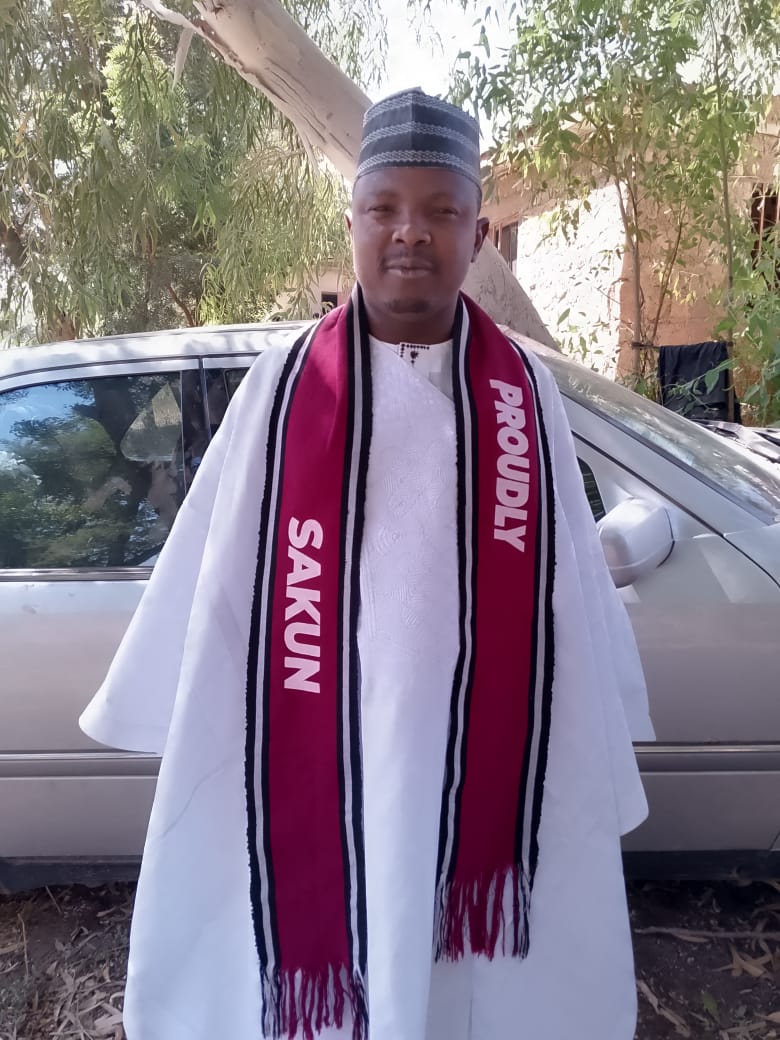
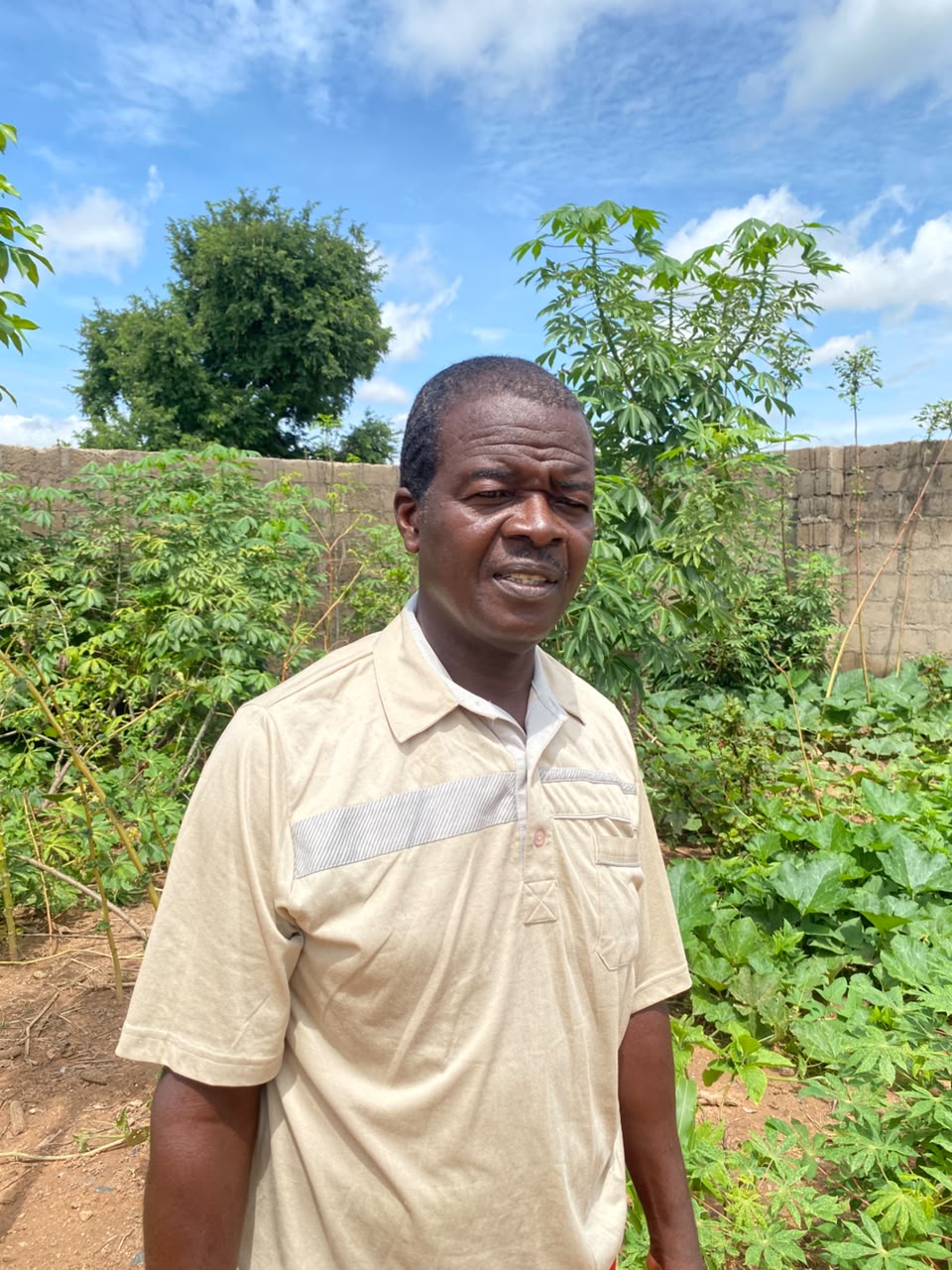
Adamu MD
Yiaga Africa’s survey also identified a desire for change in leadership as the leading motivation for voting, cited by 49 per cent of respondents.
The economy and jobs, followed by security, were the most frequently identified policy priorities.
Together, the findings suggest that candidates will face questions about the practical implications of their programmes, including how proposed policies would improve livelihoods, create employment, address insecurity and strengthen public services.
INEC Under Pressure to Rebuild Public Confidence
Across the interviews, respondents repeatedly returned to the question of whether INEC could guarantee a credible electoral process.
Some called for transparent result transmission, while others demanded adequate security, effective logistics and protection against vote manipulation.
These concerns are reflected in Yiaga Africa’s survey, which found that only 34 per cent of respondents were confident that INEC would conduct credible elections in 2027.
Read Also: INEC Chairman: Algorithms Will Not Decide Nigeria’s 2027 Elections
The survey also found that 39 per cent were not confident, while 27 per cent were neutral. Although awareness of electoral reforms had increased to 62 per cent, confidence in INEC had not risen correspondingly.
The findings suggest that communicating reforms is important, but demonstrating their effective implementation is equally necessary.
Ahead of the elections, Yiaga Africa recommended that INEC make a clear public commitment to uploading polling-unit results to IReV, publish its results-management procedures and provide regular information on logistical readiness.
It also called for targeted efforts to rebuild confidence in areas where distrust is particularly pronounced.
For voters interviewed by THE INSIGHT, these demands are not merely technical questions. They concern whether their votes will be protected and whether the outcome will command public acceptance.
‘Our Votes Matter, Our Voices Matter, and Our Future Matters’
Hajarah Usman, a 22-year-old teacher in Kaduna State, said she intends to vote and already has her PVC.
I am not just looking at promises anymore; I want to see genuine commitment, transparency and positive changes that directly affect ordinary Nigerians.
She explained that her approach to the 2027 elections is informed by a stronger understanding of leadership and accountability.
“I am not just looking at promises anymore; I want to see genuine commitment, transparency and positive changes that directly affect ordinary Nigerians.”
Her message to Nigerians, INEC and politicians was emphatic. “Our votes matter, our voices matter, and our future matters. Let us make 2027 count.”
Her statement captures the expectations expressed by several respondents: citizens want their votes to influence the direction of the country, but they also want institutions that protect their rights and leaders who respond to their needs.
The challenge is to ensure that this sense of civic responsibility is supported by credible institutions, peaceful political competition and meaningful accountability.
A Common Demand: Credible Elections and Accountable Leadership
The Nigerians interviewed by THE INSIGHT differed in age, occupation, location and level of confidence in the 2027 elections. Yet their concerns converged around several issues: insecurity, economic hardship, unemployment, vote-buying, electoral credibility and the performance of political leaders.
For some, voting is an unquestionable civic responsibility. For others, the decision remains complicated by fears about personal safety, doubts about the electoral system or uncertainty about whether political change will improve their lives.

Hajarah Usman
Yiaga Africa’s findings reinforce this picture of an electorate that is broadly willing to vote but remains wary of the conditions under which the elections will take place.
The survey’s central figures are instructive: 84 per cent intend to vote, but only 47 per cent are very likely to do so; 61 per cent fear violence could stop them, and just 34 per cent are confident in INEC.
These figures are not a prediction of the eventual election turnout. They reflect respondents’ stated intentions and perceptions at the time of the survey in September 2026. Actual participation will depend on developments before and during election day.
Nevertheless, they identify the issues that electoral stakeholders must address if the intention to vote is to translate into meaningful participation.
For INEC, this means demonstrating transparency and operational preparedness. For security agencies, it means protecting voters and preventing violence. For political parties and candidates, it means presenting credible policies, avoiding inflammatory rhetoric and rejecting vote-buying.
For Nigerians, the challenge is to make informed choices based on candidates’ records, policies and integrity.
Ultimately, the question facing the country is not simply whether Nigerians will vote in 2027. It is whether they will have sufficient confidence to participate freely, safely and meaningfully—and whether those elected will respond to the expectations of the people.
As the countdown to the elections continues, the voices of these Nigerians deliver a clear message: the right to vote must be matched by the confidence that every vote matters.
Read Also: 10 Key Factors: INEC Chairman Reveals What Will Decide 2027
Author

Sign up for The Insight Newsletter
Get in-depth, research and data-based interpretative reports from around Nigeria.