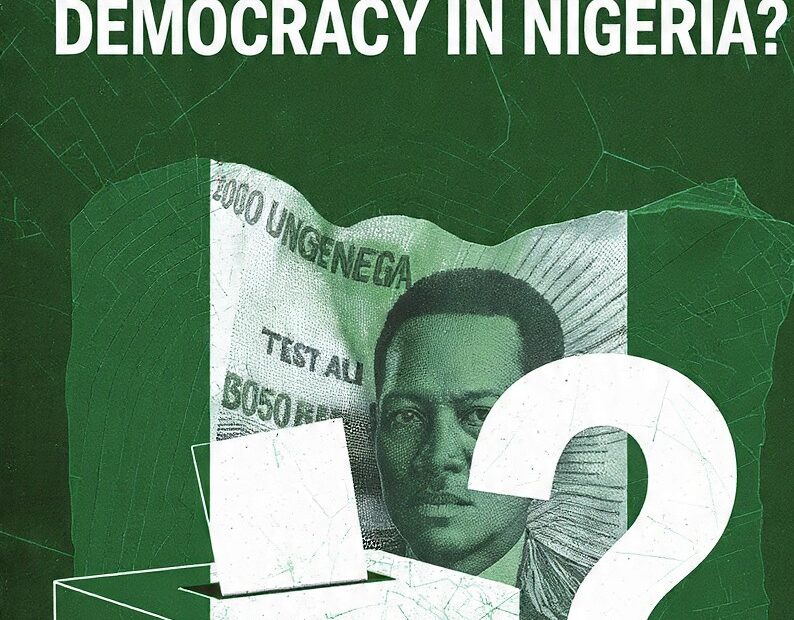
After On Nigeria: Who Will Fund Democracy in Nigeria?
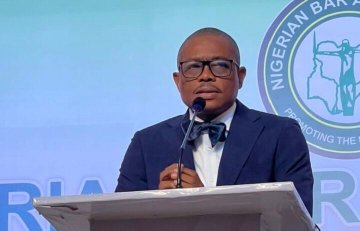
By Dayo Olaide, Development and Philanthropy expert
Nigeria’s democracy is entering dangerous territory, with governance failures worsening. Unfortunately, donor support for transparency, accountability, and democracy programming in Nigeria is being withdrawn under the radar. Should Nigerians be worried?
For nearly a decade, major donor-funded programs supported efforts to improve transparency and accountability in Nigeria. Today, most have wound down or shifted course. MacArthur’s On Nigeria program, arguably the most ambitious accountability-focused investment in the country, ended at the end of 2024.
For about ten years, the program supported an integrated accountability effort through criminal justice reform, investigative journalism, social and norm change, and collective action. Others, such as Luminate, Ford, Open Society, and FCDO, have also reduced or redirected their support, shrinking the pool of resources for work on corruption, civic space, and public-sector reform.
For many Nigerians, the promise of democracy has not translated into reliable public services, economic opportunity, or fair use of resources.
The dismantling of USAID and the sharp cuts to programs across Africa in 2025 worsened the situation. It sent a chilling signal that aid can be abruptly cut off for political reasons. The UK, for example, has set itself on a path to reduce official development assistance to roughly 0.3 percent of national income over the next four to five years. Similar cuts are evident among European donors and multilateral agencies. In 2025, at least 17 EU member states cut aid, and 26 of 34 DAC states reduced their aid budgets.
What this means is that the current distress in Nigeria’s governance sector is only the beginning; the full effects are still ahead. Governance and democracy work, which donors often see as politically sensitive compared to health or infrastructure, is especially vulnerable.
Yet African governments, including Nigeria’s, rarely invest meaningfully in citizen-led efforts to deepen democracy, strengthen civic education, or support independent media and watchdog groups. In practice, the people and institutions that make democratic accountability real often depend on external resources that are now disappearing, leaving democracy dangerously vulnerable.
This pullback in governance work is unfolding as Nigeria’s governance indicators slide into the red zone. Civic space is under pressure, and freedom of expression and access to information are contested. Corruption remains systemic. Political leadership remains largely organized around patronage and short-term power calculations.
For many Nigerians, the promise of democracy has not translated into reliable public services, economic opportunity, or fair use of resources.
When civil society groups, investigative journalists, and public-interest lawyers lose funding, those who control public resources face less scrutiny.
Unfortunately, governance, which serves as the mechanism for converting national wealth and policy vision into tangible benefits, is no longer a priority for many donor partners, deepening concerns about Nigeria’s democratic future.
Donor fatigue for governance-related work is understandable. After decades of investment, it is hard to point to sweeping structural change. But governance reform does not move in straight lines, and it rarely fits neatly into a three to five-year project cycle either. Therefore, the answer to slow progress is not to exit. Instead, it is smarter, more politically aware, and more locally led support. Pulling back support for governance-related programs at this critical time in Nigeria’s political journey may end up much costlier for the future of democracy.
Apart from risking and wasting past investments, it risks deepening citizens’ distrust of both government and democracy itself.
While philanthropy and bilateral and multilateral agencies have the freedom to determine how to give and what to support, the exercise of that power carries significant responsibility to ensure that the investment truly contributes to the public good, especially by protecting the institutions and practices that make democracy work.
In Nigeria today, international aid from philanthropy and bilateral and multilateral agencies must respond to urgent national needs. No need is greater or more urgent than the role of philanthropy in democracy-building in Nigeria today.
First, resources are needed to cultivate a new generation of democrats. Nigeria’s young population is politically aware yet increasingly disillusioned. Without deliberate efforts to strengthen civic education, nurture democratic values and leadership, and connect young people to decision-making, there is no guarantee that Nigeria’s future will be more democratic than its present unless young people are supported to organize, lead, and participate meaningfully.
Second, funding is essential to slow and reverse the rollback of accountability. When civil society groups, investigative journalists, and public-interest lawyers lose funding, those who control public resources face less scrutiny.
The work of salvaging governance and democracy in Nigeria demands not less funding, but better, braver.
That quickly shifts incentives within the state, making it easier to silence critics, normalize impunity, and treat public money as private spoils. This is already visible in Nigeria.
Third, Nigeria needs investments that enable innovation, movement-building and networked action. Past programs have shown that real gains often come when organizations across sectors work together, linking communities, media, reformist bureaucrats, creatives and activists around common agendas.
Flexible funding that supports coalitions, experimentation and learning is far more likely to shift systems than a collection of isolated projects.
Fourth, governance funding should intentionally support “change champions” within government and public institutions. Reform-minded officials often work with limited backing and face significant personal risk.
When civil society and donors partner with them on open budgeting, procurement reforms, justice-sector improvements, or digital transparency, the likelihood of lasting institutional change increases significantly.
What should replace the old model is a commitment to a long-term partnership with Nigerian actors as agenda-setters. That means more core funding, longer time horizons, and a clearer focus on building resilient institutions and citizens’ movements rather than chasing short-term visibility. It also means being honest about politics: governance work is about who holds power, how they are constrained, and whether citizens can shape the rules.
Nigeria’s young population is politically aware yet increasingly disillusioned.
The end of USAID as the world knew it, the contraction of European aid, and the closure of major governance programs have created a dangerous vacuum. If no new sources of support emerge soon, whether through reconfigured international partnerships, regional funds, African philanthropy, or domestic resource mobilization, the continent risks a wave of democratic erosion, leaving fewer defenders on the field.
For Nigeria, this is a moment of choice for both domestic leaders and international partners. Retreating from governance now may seem fiscally prudent, but it will be politically costly. The consequences are both everyday and structural – weaker institutions, deeper cynicism, and a democracy that exists more on paper than in practice.
The work of salvaging governance and democracy in Nigeria demands not less funding, but better, braver, and more locally grounded funding.
Read Also: South African Xenophobic Crisis: The Overhyped Struggle for Crumbs
Author

Sign up for The Insight Newsletter
Get in-depth, research and data-based interpretative reports from around Nigeria.