
10 Key Things Nigerians Should Know About the Proposed State Police Constitutional Amendment
By Emmanuel Kwada
As the House of Representatives considers a landmark constitutional amendment to overhaul Nigeria’s policing architecture, the proposed legislation could fundamentally transform how security is managed across the federation.
The bill seeks to replace the long-standing centralized policing system with a dual structure comprising a Federal Police and separate State Police services.
If approved and eventually enacted, the amendment would represent one of the most significant constitutional changes since Nigeria’s return to democratic rule in 1999. Here are ten key points Nigerians should understand about the proposal.
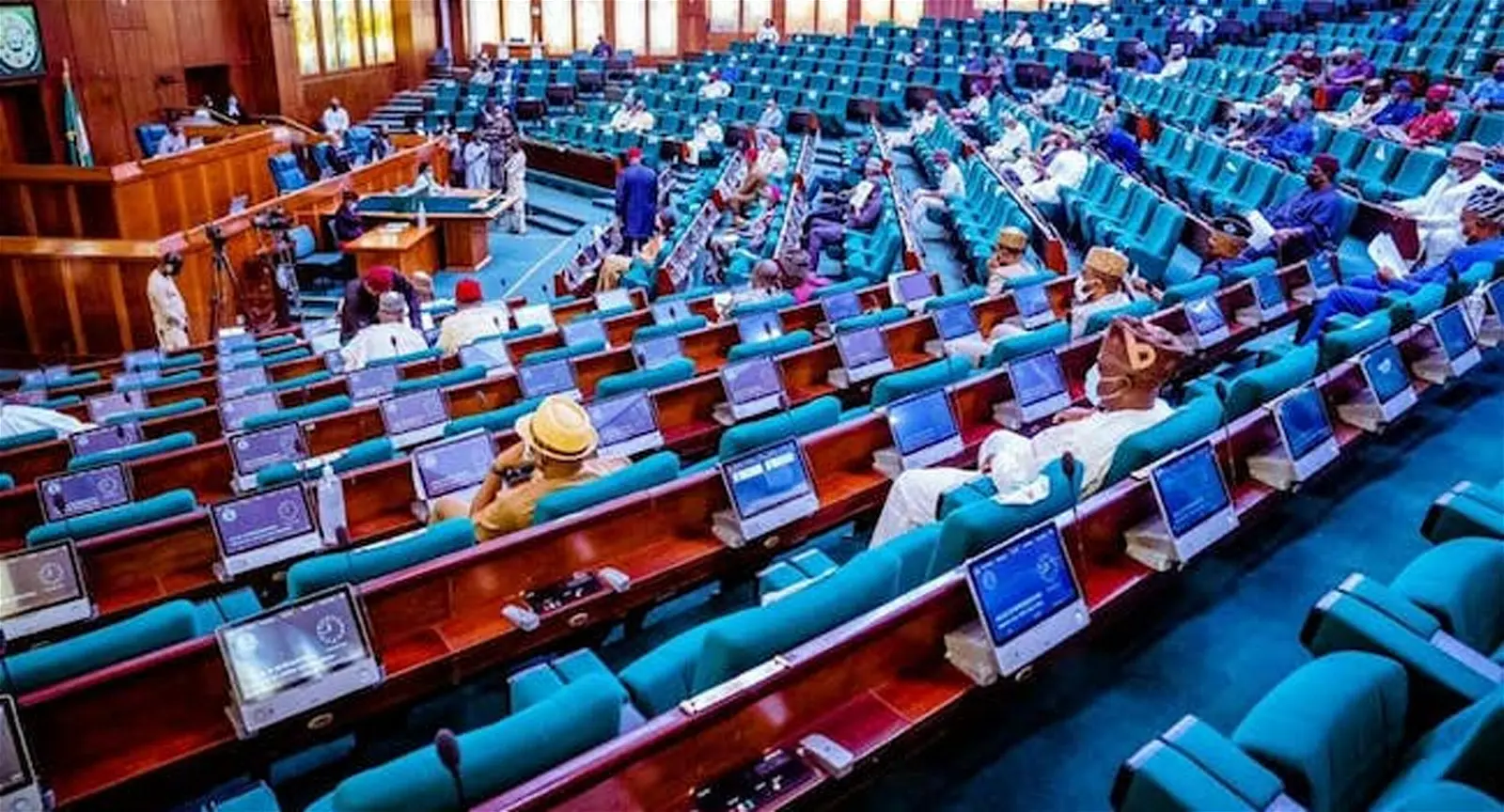
National Assembly in sessiom
The first major change is the formal creation of two constitutionally recognized police institutions. The Federal Police would continue to operate nationwide, while each state would be empowered to establish its own State Police through legislation passed by the State House of Assembly.
However, states would not be allowed to commence policing operations immediately after passing such laws. Each State Police must first meet national minimum standards and receive certification before becoming operational.
Secondly, the proposal clearly defines the relationship between the Federal Police and State Police. While the Federal Police would retain responsibility for national security and federal policing functions, State Police would handle internal security matters within their respective states. This arrangement is designed to decentralize policing while maintaining a national security framework.
The Federal Police would be prohibited from intervening in the operations of a State Police except under exceptional circumstances.
A third and highly significant provision introduces safeguards against federal interference in state policing. Under the proposal, the Federal Police would be prohibited from intervening in the operations of a State Police except under exceptional circumstances, such as a complete breakdown of law and order, a request by the governor, or situations where a State Police becomes incapable of functioning effectively. Even then, intervention would require approval from the National Police Council.
The fourth key provision concerns leadership and command structures. The Federal Police would be headed by an Inspector-General of Police appointed by the President on the recommendation of the National Police Council and confirmed by the National Assembly.
State Police formations would be led by Commissioners of Police appointed by governors, subject to recommendations from the National Police Council and confirmation by State Houses of Assembly.
Neither the President nor a governor would possess unilateral powers to dismiss the Inspector-General or State Commissioners of Police.
Fifth, the bill attempts to balance executive authority with professional policing standards. Governors would have the power to issue lawful directives to State Commissioners of Police regarding public safety and order. However, where a commissioner believes a directive violates the law or established policing standards, the matter can be referred to the National Police Council for a final determination.
Another notable feature is the stringent process for removing senior police officers. Neither the President nor a governor would possess unilateral powers to dismiss the Inspector-General or State Commissioners of Police.
Removal would require recommendations from the National Police Council and approval by a two-thirds majority of the relevant legislature, whether the National Assembly or a State House of Assembly.
The seventh key point relates to funding. Recognizing concerns that some states may struggle to finance police services, the amendment provides for federal grants and financial assistance to State Police organizations. Such support would be recommended by the National Police Council and approved by the National Assembly.
States would have authority to establish and manage their police services.
The proposal also creates robust oversight institutions. A restructured National Police Council would include representatives from federal and state governments, the legal profession, labour unions, media organizations, human rights bodies, traditional institutions, and retired police officers. The council would oversee standards, appointments, discipline, training, intelligence coordination, and intergovernmental cooperation.
At the state level, a new State Police Service Commission would be established to handle recruitment, appointments, promotions, discipline, and oversight of officers below senior command ranks. The commission would include representatives from civil society, professional associations, traditional rulers, and retired police personnel.
Finally, the amendment establishes a shared legislative framework between the National Assembly and State Houses of Assembly. While states would have authority to establish and manage their police services, they would be required to comply with national standards established by federal legislation.
Importantly, the proposal expressly prevents the federal government from exercising routine operational control over State Police personnel, preserving the autonomy of state policing institutions.
Supporters of the bill argue that State Police will improve intelligence gathering, community policing, and rapid response to local security challenges. Critics, however, have raised concerns about potential political abuse, uneven funding capacity among states, and the risk of governors exerting excessive influence over security agencies.
With insecurity remaining one of Nigeria’s most pressing national challenges, the proposed amendment is expected to generate intense debate among lawmakers, state governments, civil society groups, and security experts.
If passed by the National Assembly and approved by the required number of state legislatures, it could usher in a new era of decentralized policing and redefine the country’s security architecture for decades to come.
Read Also: 10 promises Tinubu made in his third anniversary speech on May 29, 2026
Author

Sign up for The Insight Newsletter
Get in-depth, research and data-based interpretative reports from around Nigeria.