
Over 100 killed During 2026 Easter

By Emmanuel Kwada
A wave of violence targeting predominantly Christian communities swept across Nigeria’s Middle Belt and northeast during the 2026 Holy Week and Easter period, claiming over 100 lives and resulting in dozens of abductions, according to reports from local sources, Christian advocacy groups, and media outlets.
The attacks, many occurring during or around key Christian observances like Palm Sunday and Easter Sunday, have deepened concerns about religious persecution amid ongoing insecurity.
In February 2026, THE INSIGHT reported that attacks on Christians were deepening despite the U.S. designation of Nigeria as a Country of Particular Concern (CPC) under the Trump administration.
The trend accelerated sharply in March and early April, with Christian communities bearing the brunt of assaults often attributed to suspected Fulani militants/herdsmen, Boko Haram/ISWAP affiliates, or unidentified gunmen.
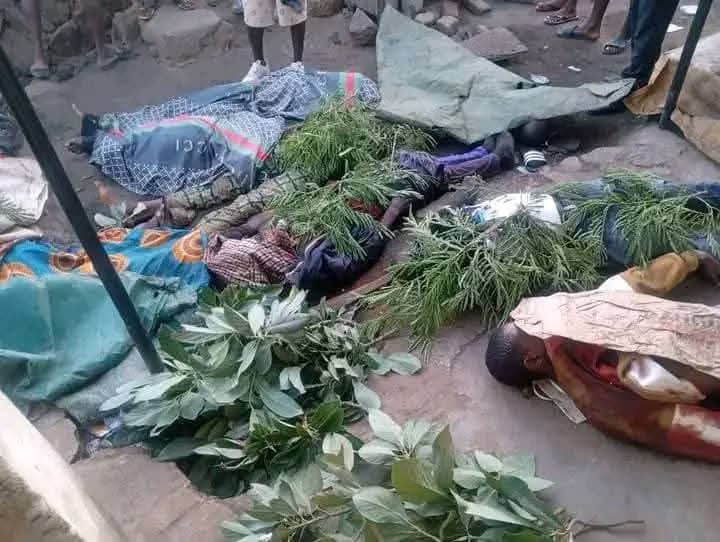
Lifeless bodies of the victims of jos attack
While some incidents involve elements of banditry, land disputes, or ethnic tensions, many targeted worshippers, villages, or events tied to Christian holidays, raising alarms from groups like International Christian Concern (ICC), Morning Star News, Open Doors, and local bodies such as the Christian Association of Nigeria (CAN).
The violence escalated dramatically on Palm Sunday evening in Jos North LGA, Plateau State. Gunmen on motorcycles and in vehicles; some reportedly in security-like uniforms attacked the predominantly Christian Angwan Rukuba or Gari Ya Waye community around 8 p.m.
The assault hit a busy street and market area where many residents were returning from church services. Attackers fired indiscriminately, causing panic, with parts of the area set ablaze.
Casualty figures vary due to the chaos and ongoing verification: local reports and advocacy groups cite at least 40 killed, including bodies recovered at the scene and in hospitals, with dozens injured.
The area is majority Christian, and the timing during Palm Sunday observances fueled perceptions of targeted persecution.
A related incident nearby added to the toll. The area is majority Christian, and the timing during Palm Sunday observances fueled perceptions of targeted persecution, though not all victims were confirmed as such.
Plateau State authorities imposed a 48-hour curfew in Jos North. Governor Caleb Mutfwang and CAN condemned the attack as unprovoked and “cold-blooded.”
No group claimed responsibility, but locals pointed to Fulani militants or Boko Haram links. This incident contributed to broader Palm Sunday violence across the region estimated at around 50 deaths.
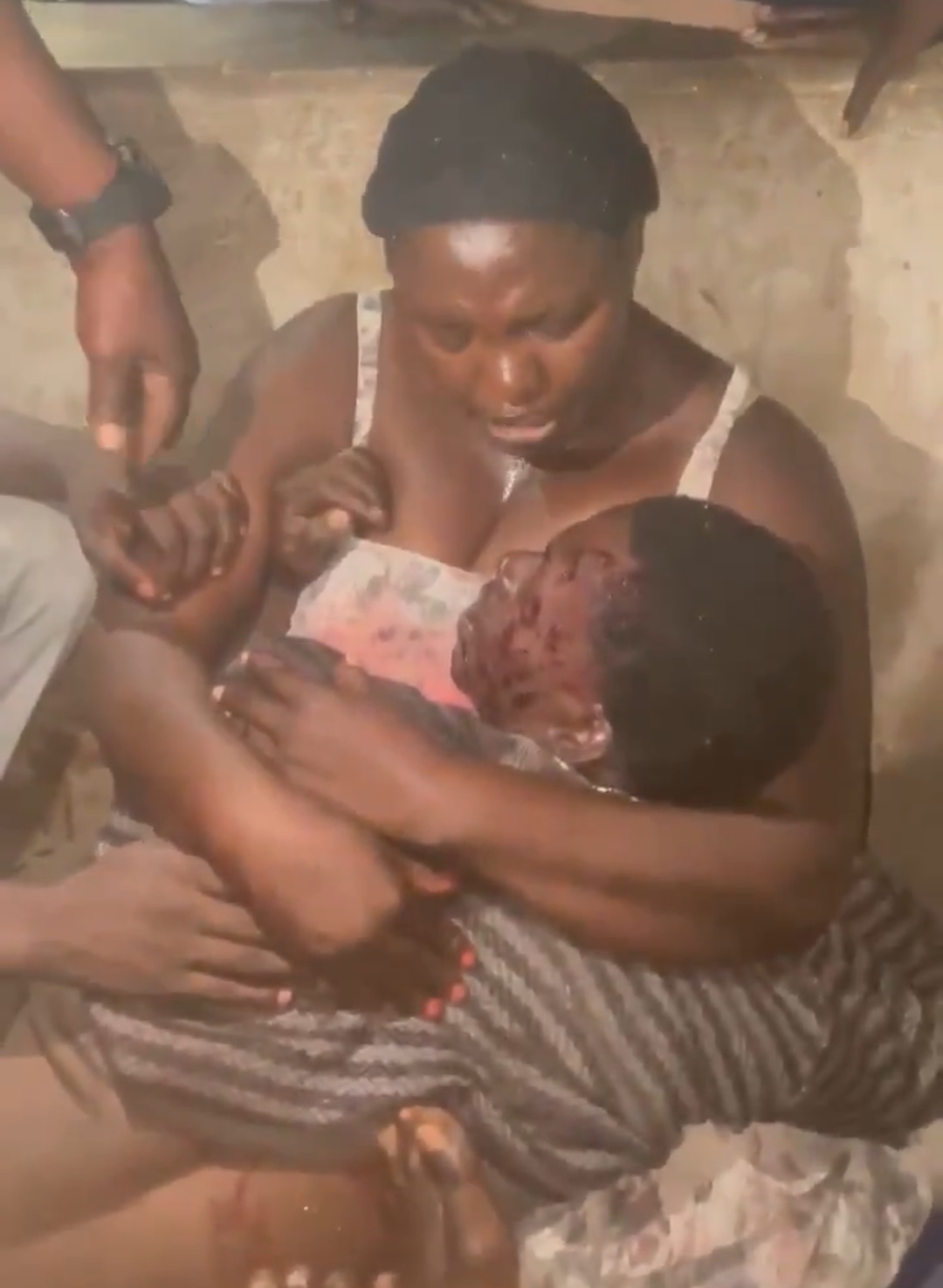
Heartbreaking moment a mother clasps her son’s lifeless body.
On the same day as the Jos attack (March 29), suspected Fulani herdsmen or bandits struck a Christian wedding reception in Kahir village, Kagarko LGA, southern Kaduna, around 11 p.m. attackers stormed the hall with sophisticated weapons, killing at least 13 Christians, injuring 10 or more, and abducting around 28. Victims were identified in local accounts, and community leaders described it as deliberate targeting of Christians.
Easter Sunday (April 5) brought further horror in southern Kaduna. Fulani gunmen on motorcycles attacked multiple villages and churches, including First ECWA Church and nearby St. Augustine Catholic Church in Ariko, Kachia LGA, as well as areas in Kajuru/Maro Kasuwa. Worshippers were surrounded during services; attackers fired on congregants and stole offerings in some accounts.
Reports indicate at least 15 killed (initial scene deaths plus bodies later recovered) across the coordinated assaults, with dozens abducted.
The Nigerian Army engaged the attackers and claimed to have rescued 31 people after a gun battle, though some local Christian sources disputed the exact numbers and suggested higher casualties or unresolved abductions. Survivors recounted the terror of being trapped during Easter worship.
17 Christians were killed, with additional reports of missing persons and widespread destruction.
On Easter Sunday, suspected Fulani militants raided the predominantly Christian Mbalom community in Gwer East LGA, Benue State, in the early morning. Gunmen opened fire, burned homes and properties, and forced residents to flee.
At least 17 Christians were killed, with additional reports of missing persons and widespread destruction. Benue Governor Hyacinth Alia condemned the attack as “barbaric.” It formed part of what advocacy groups described as coordinated Easter violence across the Middle Belt.
Around March 30, Boko Haram or ISWAP-linked terrorists attacked the predominantly Christian village of Kautikari in Chibok LGA, Borno State. Attackers killed residents and destroyed homes in what locals described as one of many repeated raids on the community.
Casualty estimates range from 12 or more Christians killed with the village left devastated. This fits a long pattern of jihadist targeting of Christian villages in the northeast, where residents live in near-constant fear. Survivors recounted the horror of being trapped during worship on one of Christianity’s holiest days.
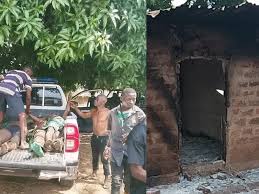
Image showing the aftermath of the Benue attack during Easter.
In Nasarawa State during the Easter weekend (roughly April 2–5), suspected Fulani militia carried out assaults on predominantly Christian communities in the Udege precinct, affecting villages such as Gidan-Ogiri, Sabon-Gida, Akyewa Baka, and Udege-Kasa.
The attacks, which reportedly lasted for hours or even days in some descriptions, resulted in at least 11 deaths, dozens of houses razed, and many displaced over hours or days of assault, with limited security response reported.
Additional violence occurred in Plateau State during the Easter period and claimed the lives of three young people, whose bodies were reportedly found under a tree, contributing to the lingering tension in the state after the major Palm Sunday events.
Reports also emerged of an attack on an ECWA church during a Sunday service in Kwara State, with timing linked by some sources to the broader Easter or Holy Week period.
Armed bandits reportedly stormed the worship gathering, brutalizing attendees—including an elderly woman—and abducting at least eight worshipers in one documented case, including the pastor’s wife. Aggregate tallies from Christian advocacy sources and local reporting for the period point to over 100 deaths when including all related violence, plus dozens abducted.
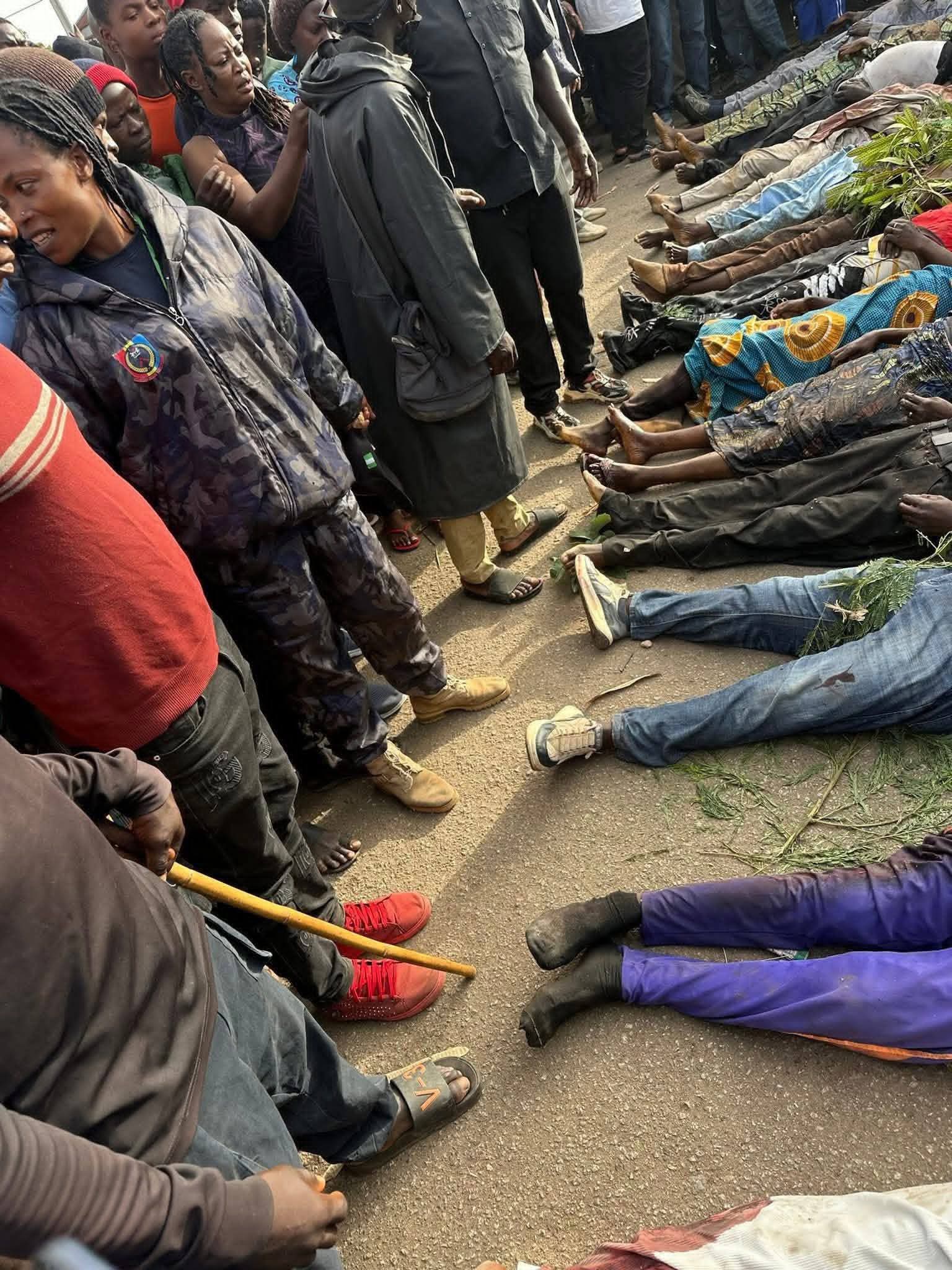
Figures remain approximate and subject to revision due to underreporting in remote conflict zones, challenges in accessing areas, delayed hospital deaths, and verification difficulties. While not every victim is confirmed as Christian, the incidents overwhelmingly struck Christian-majority farming communities and events tied to Christian observances.
Nigeria has long ranked among the world’s worst locations for Christian persecution, with Open Doors’ World Watch List 2026 highlighting thousands of faith-related killings annually, predominantly in the country.
Violence often blends religious extremism, ethnic/land conflicts between mostly Christian farmers and Muslim herders, and criminal banditry. Critics, including CAN and northern Christian leaders, argue that attacks during Christian holidays signal deliberate efforts to intimidate and displace believers from the Middle Belt.
As of early April 2026, the situation remains fluid, with calls for prayer, justice, accountability, and enhanced security from advocacy groups.
Read Also: Attacks on Christians Deepen Despite Trump’s CPC Label
Author

Sign up for The Insight Newsletter
Get in-depth, research and data-based interpretative reports from around Nigeria.


