CHRICED Condemns Tinubu’s ₦135.22b Allocation for Election Litigation
By Emmanuel Kwada
The Resource Centre for Human Rights and Civic Education (CHRICED) has strongly criticised the Federal Government’s proposal to allocate ₦135.22 billion for election-related litigation in the revised 2026 budget, describing the provision as excessive, opaque, and a troubling signal of anticipated widespread disputes ahead of the 2027 general elections.
In a statement released on April 10, 2026, and signed by Comrade Dr. Ibrahim M. Zikirullahi, the Executive Director of CHRICED, the civil society organization expressed significant concern regarding the new budget allocation.
This budget line, categorized under Service Wide Votes, constitutes approximately 15.48 percent of the total proposed expenditure for the 2027 elections.
This allocation comes in addition to ₦873.78 billion earmarked for conducting the general elections and another ₦171 billion for the operations of the Independent National Electoral Commission (INEC) in 2026.
Elections in a healthy democracy are decided at polling units, not in courtrooms.
CHRICED noted that the litigation provision appeared suddenly in the revised budget and was absent from earlier drafts, raising serious concerns about transparency and the government’s priorities.
The group pointed out that INEC already maintains legal departments across all 36 states and the Federal Capital Territory to handle electoral disputes, suggesting that the massive additional sum reflects an institutional expectation of failure rather than a commitment to preventing irregularities.
The organisation highlighted the broader economic challenges facing Nigerians, including high inflation, unemployment, poverty, and rising public debt.
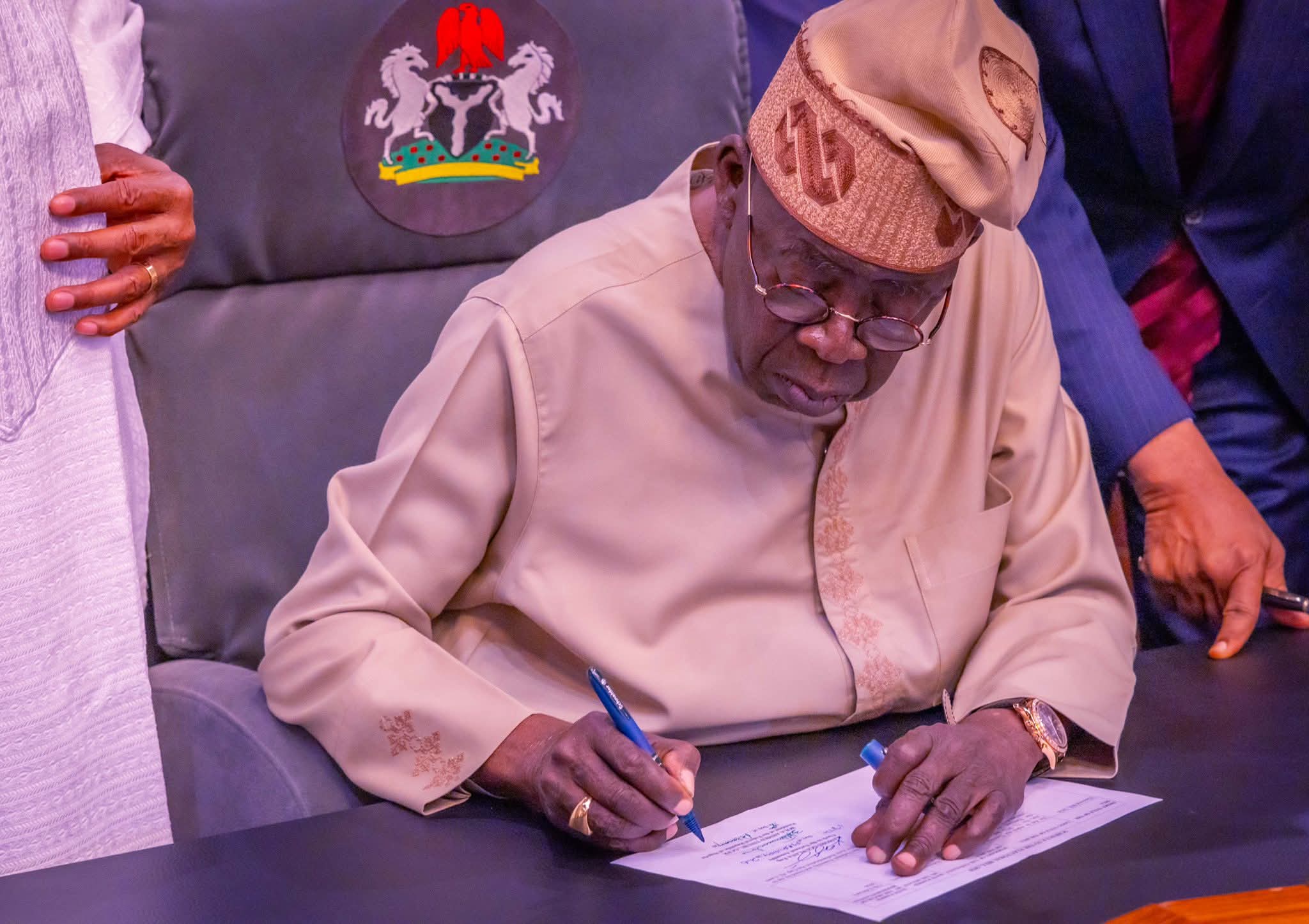
President Bola Ahmed Tinubu
In this context, it argued that channeling such substantial resources toward anticipated court battles is insensitive and represents a misplacement of national priorities.
Instead of budgeting heavily for litigation, CHRICED suggested that funds should be redirected toward preventive measures such as enhanced voter education, improved logistical planning, reliable technology for result management, and comprehensive training for electoral officials.
These steps, it said, would help reduce disputes and strengthen the credibility of the electoral process.
Budgeting heavily for large-scale litigation sends a troubling message that irregularities are not only expected but financially accommodated.
“Elections in a healthy democracy are decided at polling units, not in courtrooms,” CHRICED stated.
“Budgeting heavily for large-scale litigation sends a troubling message that irregularities are not only expected but financially accommodated, which risks deepening public distrust in Nigeria’s democratic institutions.”
The group warned that the provision could fuel voter apathy, widen the disconnect between citizens and the state, and further erode the legitimacy of future elections.
It emphasised that strengthening INEC’s independence and neutrality, along with genuine electoral reforms, would be far more effective in ensuring that election outcomes truly reflect the will of the people.
CHRICED called on the Federal Government to provide full public disclosure and justification for the ₦135.22 billion allocation, including clear guidelines and robust oversight mechanisms.
It urged a reprioritisation of electoral spending toward preventive reforms and greater investment in critical sectors such as healthcare, education, agriculture, security, and power.
This development has added to ongoing debates about the cost of elections in Nigeria and the need for greater transparency and efficiency in managing the democratic process.
Read Also: WEEKLY ROUNDUP: Ceasefire in Iran, Bloodshed in Nigeria
Author

Sign up for The Insight Newsletter
Get in-depth, research and data-based interpretative reports from around Nigeria.