
Nyesom Wike: The Man Who Wins Every Court Case
By Emmanuel Kwada
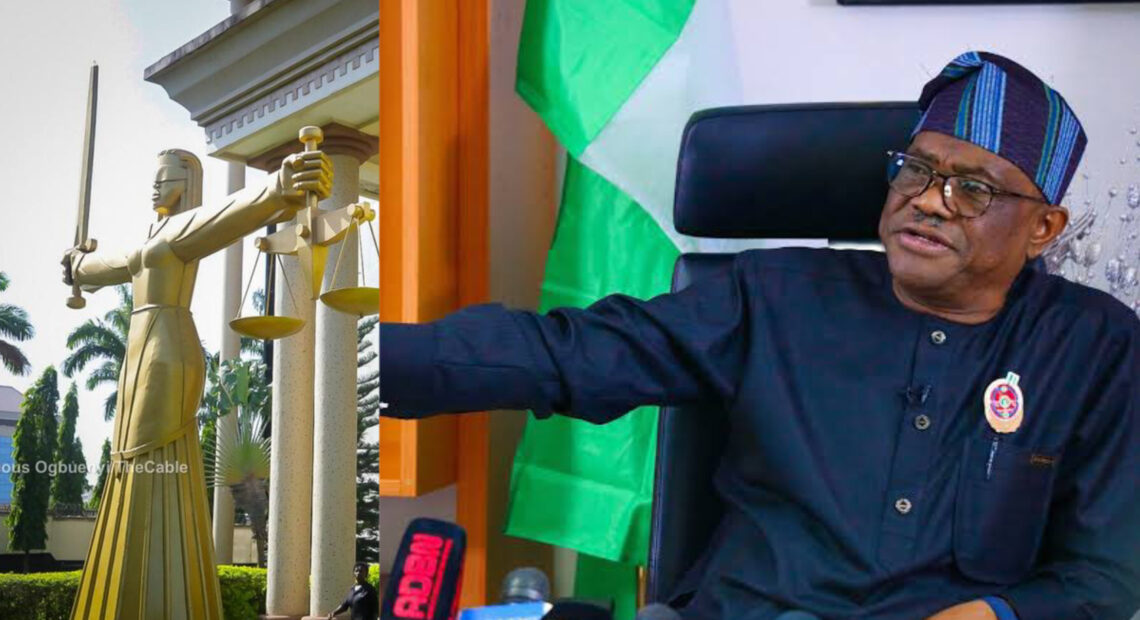
Nyesom Wike, the former two-term Governor of Rivers State and current Minister of the Federal Capital Territory (FCT), stands out in Nigeria’s turbulent political landscape for an extraordinary judicial record.
Across decades of high-stakes litigation, he has secured victories in nearly every major case, with accounts citing 15 out of 16 wins per a detailed Citizens’ Gavel analysis, a 93.3% success rate. The lone defeat was an interlocutory appeal, not a final judgment.
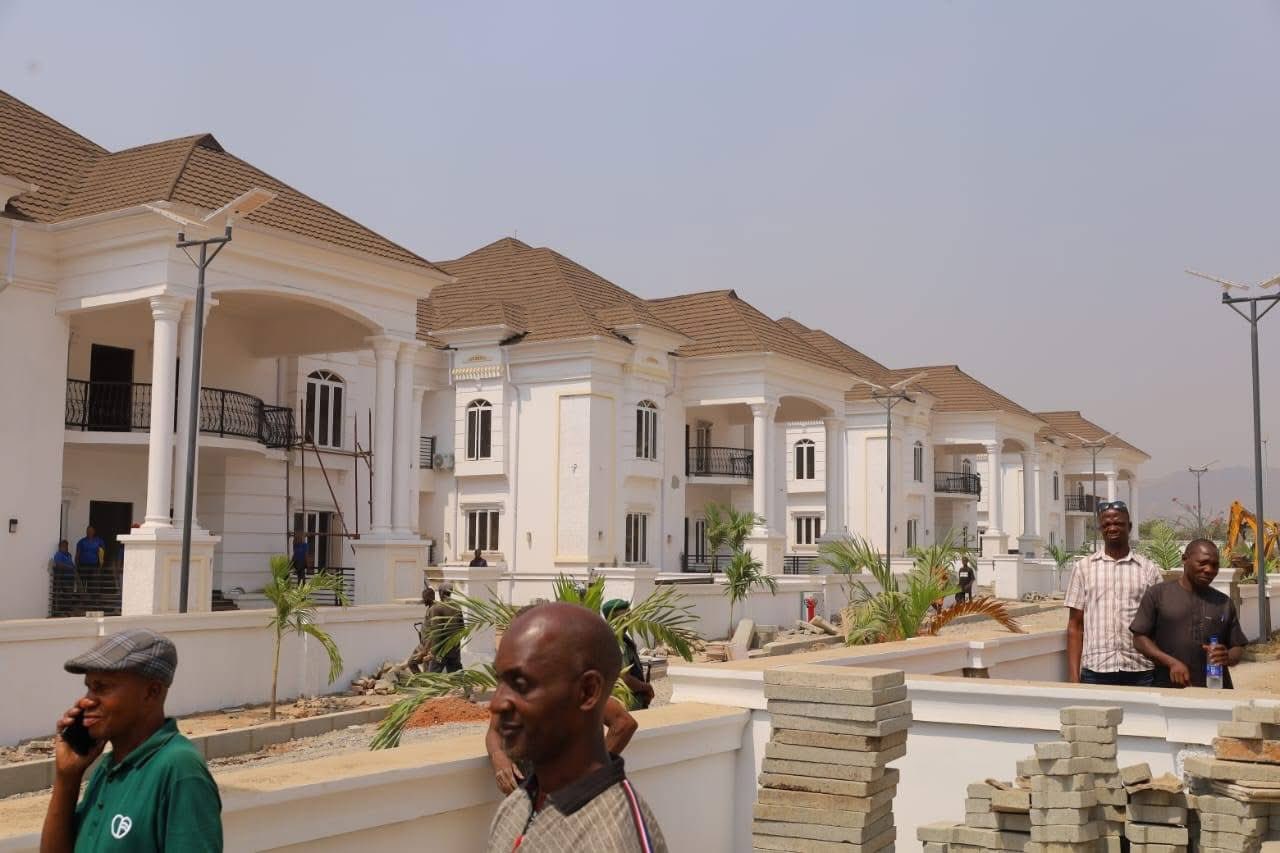
Judges’ Quarters Built by Nyesom Wike in Katampe and Asokoro, Abuja.
This pattern, intensified by key rulings in 2025 and 2026, raises a persistent question: Do these triumphs stem from superior legal strategy, procedural mastery, and strong cases, or do they reflect manufactured advantages through extensive “welfare” support to the judiciary?
The investigative report Nyesom Wike’s Judicial Influence: Correlation or Coincidence?, published in late 2024 by Citizens’ Gavel (a judicial transparency organisation accessible via open-justice.gavel.ng), avoids direct accusations of corruption.
It instead highlights a striking correlation: Wike’s courtroom successes align closely with substantial investments in judicial infrastructure and perks for judges and magistrates.
Wike’s Judicial Influence: Correlation or Coincidence?
A lawyer by training and Life Bencher of the Nigerian Bar Association, Wike entered politics in the mid-1990s.
His career features intense rivalries, first with Rotimi Amaechi and later with successor Governor Siminalayi Fubara.
Litigation has been central; from validating his 2015 governorship election to controlling the Rivers State House of Assembly amid defections, budget disputes, and federal allocations.
The Citizens’ Gavel review, based on court records, judgments, and timelines of key court case victories, includes:
- Nyesom Wike v. Dakuku Peterside (SC. 1002/2015): Supreme Court overturned lower courts to uphold his 2015 election on technical grounds.
- Amaechi v. Wike (SC/911/2017): Dismissal of Amaechi’s challenge.
- Wike & Anor v. Chinda & Anor (2019) and Karaye v. Wike & Ors (2019): Supreme Court affirmations of his intra-party positions.
- A.G. Rivers State v. A.G. Federation (2022): Favourable in fiscal/revenue disputes.
These successes often involve election validations, assembly legitimacy, and fiscal advantages for Rivers State under Wike-aligned interests.
Recent developments reinforce the trend. On February 28, 2025, the Supreme Court in consolidated suits recognised the pro-Wike faction led by Speaker Martins Amaewhule as legitimate, reinstated 27 defected lawmakers, declared certain Fubara actions unlawful, froze federal allocations pending a proper budget by the Amaewhule-led assembly, and annulled elements of local government actions.
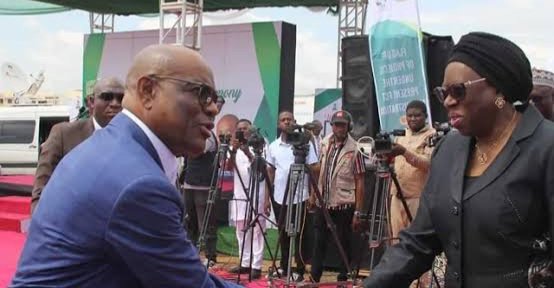
FCT Minister, Nyesom Wike and CJN Justice Kudirat Kekere-Ekun
Then, on March 9, 2026, the Court of Appeal upheld a Federal High Court nullification of the PDP’s November 2025 Ibadan national convention (backed by opposing governors).
This invalidated the rival process, bolstering Wike’s faction and paving the way for potential reconciliation or a new convention under aligned structures. Wike has publicly reacted, positioning his camp as dominant while open to talks from strength.
Wike built 20 residential quarters for Rivers-origin judges in 2020.
Critics see no coincidence. The report notes “timing overlaps”: welfare projects often preceded or coincided with major litigation.
As governor, Wike built 20 residential quarters for Rivers-origin judges in 2020 (plus luxury duplexes and cash options), constructed a new Federal High Court complex, donated SUVs to magistrates (and vehicles to customary courts), and more.
As FCT Minister, he allocated prime Abuja land, budgeted for the Court of Appeal’s Abuja division, and secured presidential approval for 40 houses for justices of the Court of Appeal, Federal High Court, and FCT High Court.
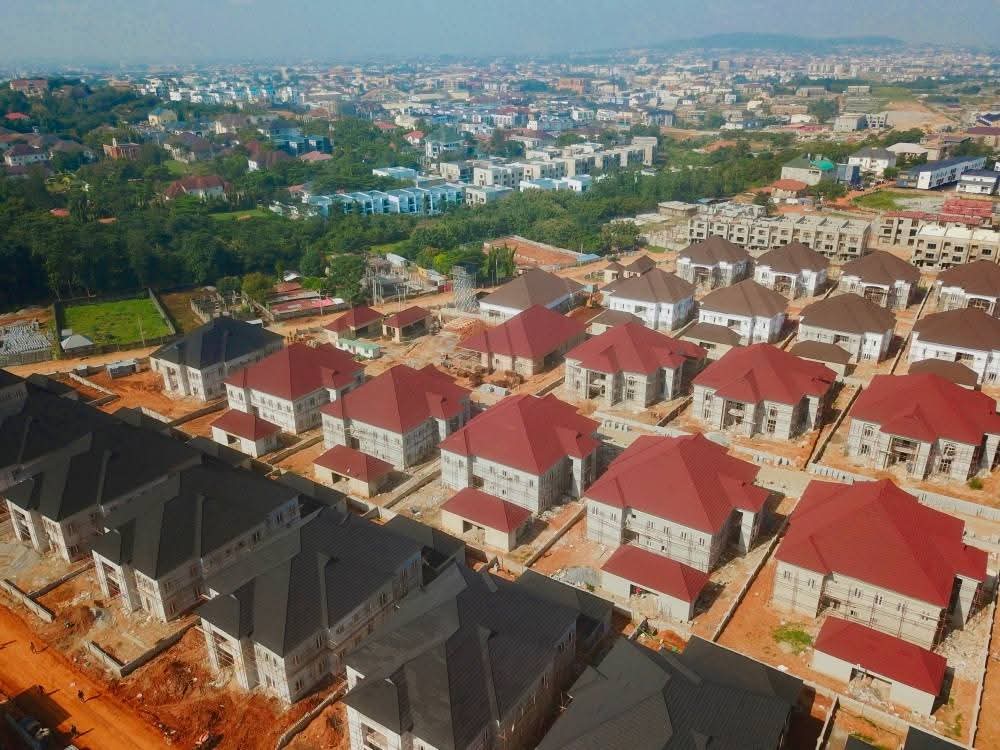
Aerial view of the Judges’ Quarters Built by Nyesom Wike in Katampe and Asokoro, Abuja.
Wike defends these as essential improvements to judicial conditions, fulfilling constitutional support for the third arm amid chronic underfunding. Supporters argue skilled lawyers, solid facts, and systemic judicial neglect explain outcomes not inducements.
Yet perceptions of favouritism persist. The report’s findings include a potential correlation between allocations and wins, disproportionately high success versus peers (e.g., Kayode Fayemi lost his 2014 re-election petition; Muhammadu Buhari lost presidential challenges), and eroded public trust. Comparative cases show officials without similar interventions facing mixed results.
Only a corrupt lawyer wins all cases.
Critics are vocal. Femi Falana (SAN) stated in 2025: “Only a corrupt lawyer wins all cases,” and called Wike “the only Life Bencher in Nigeria who has never handled a case in any trial court or appellate court.”
Deji Adeyanju warned Wike’s welfare spectacles damage judicial independence by fostering patronage perceptions.
Omoyele Sowore linked wins to impunity, while Professor Chidi Odinkalu has alluded to a “Nyesomized” judiciary. An unnamed SAN noted: “It is unusual for a person to win all cases.”
The report poses core questions on correlation versus goodwill, Wike’s bencher role, comparisons, and trust impacts.

41 Range Rover Discovery Sports Utility Vehicles given to judges serving in Rivers State High Court and Customary Courts by Nyesom Wike.
No formal probe or sanction has followed the report or recent rulings. Rivers’ crisis endures allocations frozen in parts, assembly contested, PDP fractured yet Wike’s faction leverages victories for leverage.
In a judiciary plagued by low public confidence, executive interference allegations, and corruption claims, such patterns breed cynicism. Optics of one politician providing housing, vehicles, and land while consistently prevailing suggest patronage over impartiality.
Wike’s defenders counter that opponents fabricate narratives out of envy, crediting top counsel and procedural strengths. Welfare addresses government failures, not influence.
It is unusual for a person to win all cases.
some praise foresight in an under-resourced era; others warn of stealth executive capture via reciprocity.
As Rivers faces new flashpoints and PDP eyes conventions, Wike’s streak persists. Meritorious or manufactured, his judicial dominance is unmatched. The lingering question concerns not just him, but a judiciary whose independence should remain inviolable not subject to negotiation or perception of favour.
Recommendations by Citizens’ Gavel include judicial budgetary autonomy, transparent appointments, limits on executive gifts, oversight commissions, strict conduct codes, and greater transparency.
Until reforms like autonomy and gift restrictions materialise, debates will rage: Is justice blind, or merely well-supported?
Author

Sign up for The Insight Newsletter
Get in-depth, research and data-based interpretative reports from around Nigeria.


