World Cup 2026 Kicks Off on June 11 with 48 Teams

By Emmanuel Kwada
The biggest FIFA World Cup in history is set to ignite on Thursday, June 11, 2026, when co-hosts Mexico face South Africa in the opening match of a spectacular 48-team, 104-match tournament that promises to redefine global football.
The curtain rises at the iconic Estadio Azteca in Mexico City, where the atmosphere is already electric. This Group A clash marks a historic repeat of the 2010 World Cup opener, but this time with roles reversed as Mexico hosts on home soil.
Kick-off is scheduled for 13:00 local time, with a preceding 90-minute opening ceremony expected to deliver a vibrant celebration of Latin American culture, music, and pageantry.
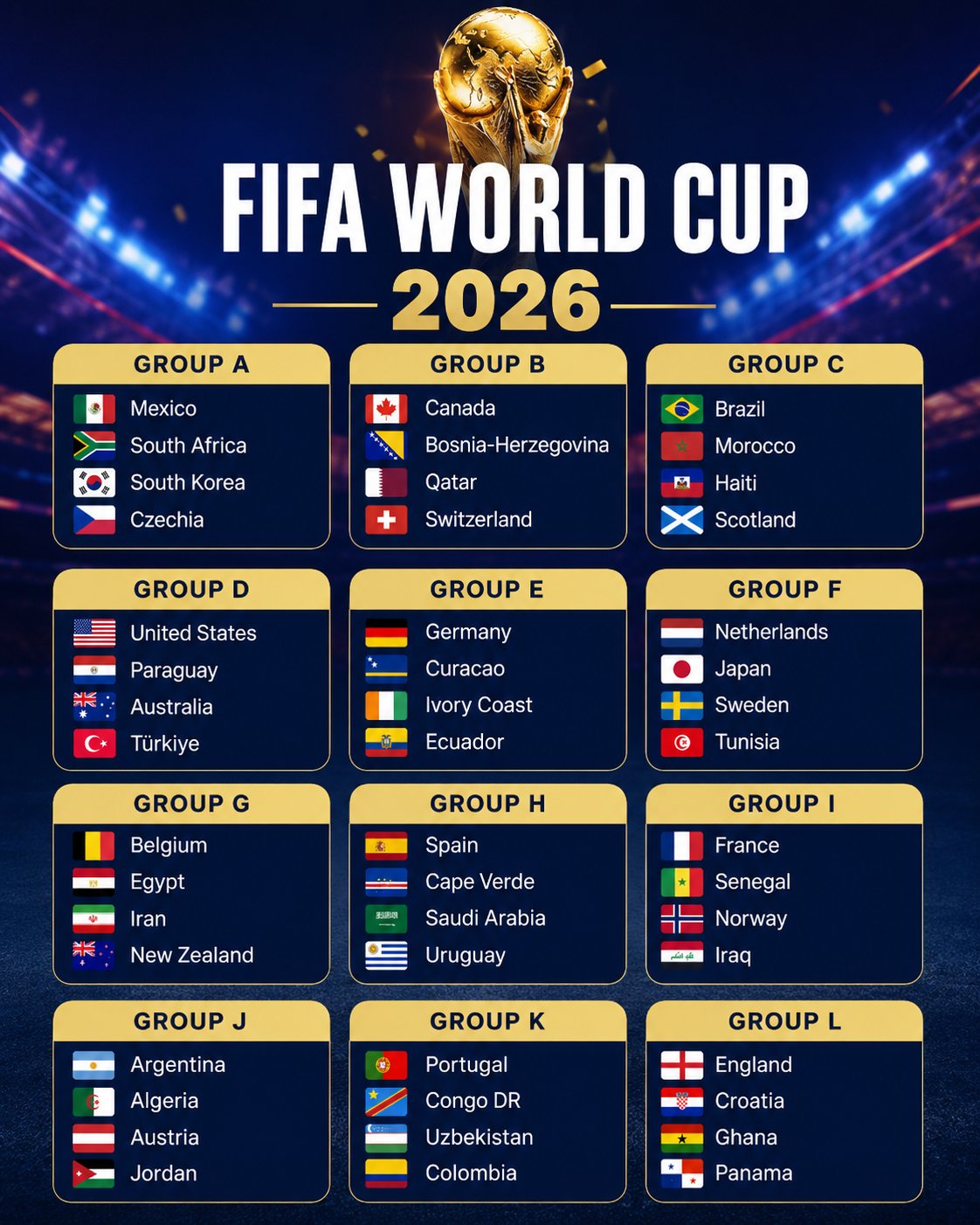
For the first time, the FIFA World Cup expands to 48 teams, organised into 12 groups of four. Each team will play three group-stage matches, with the top two from each group and the eight best third-placed teams advancing to a 32-team knockout stage.
Under this new format, the eventual champions will play eight matches en route to glory, one more than in previous editions.
The tournament spans 39 days, running from June 11 to the final on July 19, 2026, at the MetLife Stadium in New York/New Jersey. Matches will be distributed across 16 host cities in three countries: 11 in the United States, three in Mexico, and two in Canada. This joint-hosting model is unprecedented in scale and logistical complexity.
The expanded format offers more opportunities for underdogs and greater representation from all confederations. At the same time, it has raised important questions about fixture congestion, player fatigue, and the demands of travel across vast distances and multiple time zones.
39 days, running from June 11 to the final on July 19, 2026.
FIFA and Mexican authorities have promised a historic and exceptional opening ceremony at Estadio Azteca, featuring an impressive lineup of international and Latin artists.
Performances inspired by Mexican traditions, including elements such as papel picado, will blend music, dance, indigenous heritage, and global appeal to set a celebratory tone for the five-and-a-half-week football marathon.
Argentina, the defending champions after their triumph in Qatar 2022, arrive as one of the strongest contenders, seeking to become the first team since Brazil in 1962 to retain the World Cup title. Led by Lionel Messi in what could be his final World Cup appearance, the Albiceleste boast a formidable blend of experience and youthful talent.
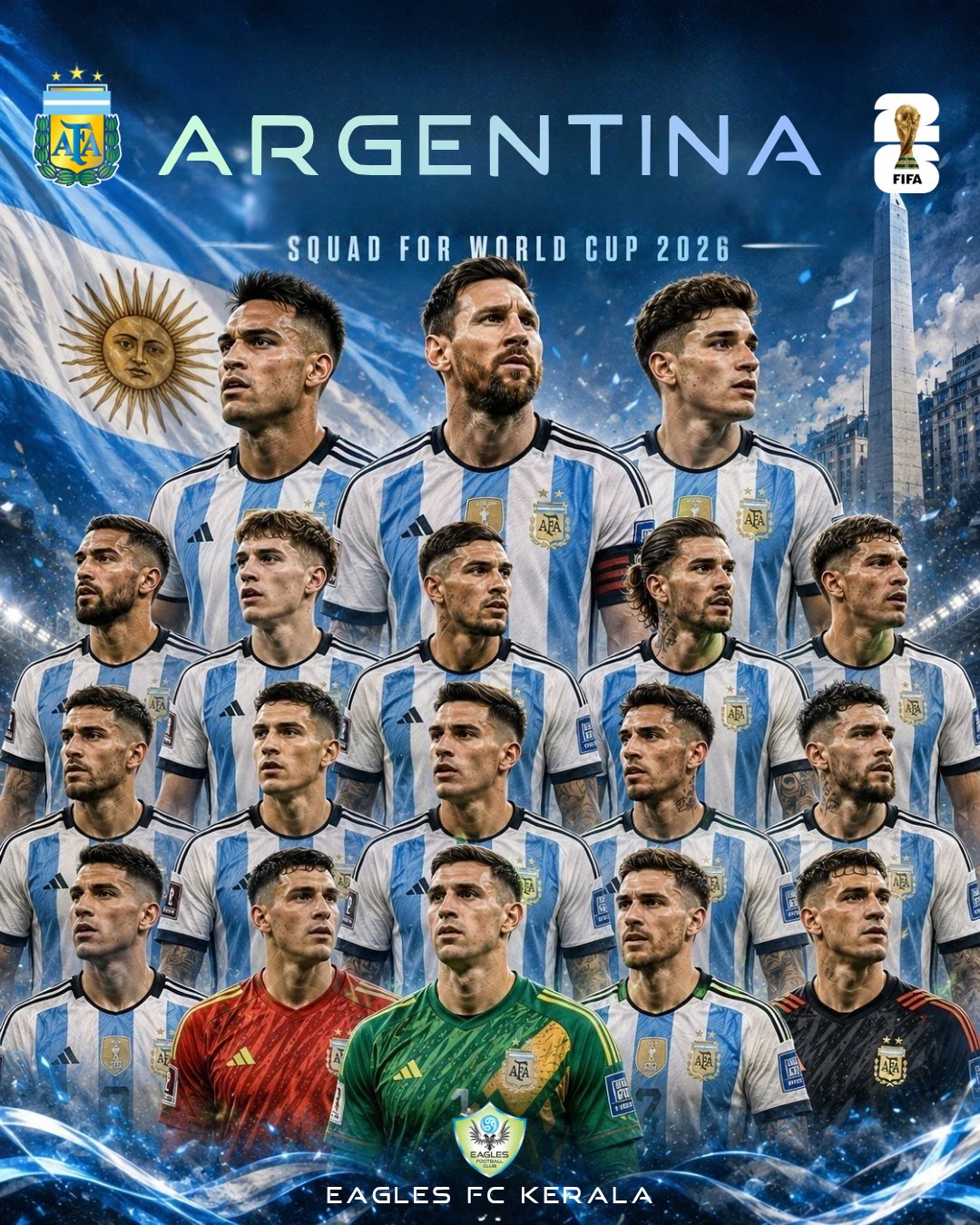
Argentina, the defending champions
Africa will have a historic record 10 teams at the 2026 World Cup, benefiting from the expanded format. The qualified African nations are: Morocco, Senegal, Egypt, Ghana, Algeria, Tunisia, Côte d’Ivoire, Cape Verde, South Africa, and DR Congo (returning after a long absence since 1974). Cape Verde will make their debut.
South Africa (Bafana Bafana), making their fourth appearance, will open the tournament against Mexico in Group A alongside South Korea and Czechia.
They hope to replicate or surpass their memorable 2010 run as hosts. Morocco, who reached the semi-finals in 2022 — the deepest run by any African team — remain one of the continent’s strongest contenders with a talented squad.
Other powerhouses like Senegal (consistent quarter-final threats) and established sides such as Egypt, Ghana, Algeria, and Tunisia will aim to advance deep into the knockout stages.
Nigeria’s Super Eagles missed out on qualification after a dramatic playoff elimination by DR Congo, marking back-to-back World Cup absences (2022 and 2026). Despite a strong pool of talent including Victor Osimhen and players of Nigerian descent representing other nations, the five-time African champions will not participate.
Nigerian fans are expected to rally behind African teams, particularly stronger contenders like Morocco and Senegal, while closely following players of Nigerian heritage scattered across various squads.
Africa will have a historic record 10 teams at the 2026 World Cup.
Many supporters’ clubs have already signaled their intention to back the continent’s representatives in what promises to be a landmark tournament for African football.
Mexico, under immense pressure as co-hosts and a football-mad nation, will look to harness home advantage in Group A. South Africa arrives with hopes of pulling off early upsets.
Estadio Azteca itself enters the record books as the first stadium to host three World Cup opening matches (1970, 1986, and 2026). This adds another layer of legacy to a venue that has already witnessed some of the greatest moments in football history, including triumphs by Pelé and Maradona.
With just days to go, anticipation is reaching fever pitch. Star players across continents are preparing for what could be career-defining moments.
The expanded tournament gives more nations a realistic chance of progressing deep into the competition, potentially creating memorable underdog stories that will captivate global audiences.
Billions of viewers worldwide are expected to tune in, with FIFA projecting record global audiences. Organisers are placing strong emphasis on sustainability, enhanced fan experiences, and seamless travel between venues. However, challenges such as heat in certain locations, complex logistics, and stadium readiness continue to draw attention.
As the countdown enters its final stretch, the message is clear: football’s greatest show is about to begin, bigger, bolder, and more inclusive than ever before.
Read Also: Ten African Teams to Play at the 2026 World Cup, a First Ever
Author

Sign up for The Insight Newsletter
Get in-depth, research and data-based interpretative reports from around Nigeria.