Otukpo-Obi-Oju Road Now Death Trap, Ogbodo Laments Hardship, Urges Federal, Benue Govt Action
By Emmanuel Kwada
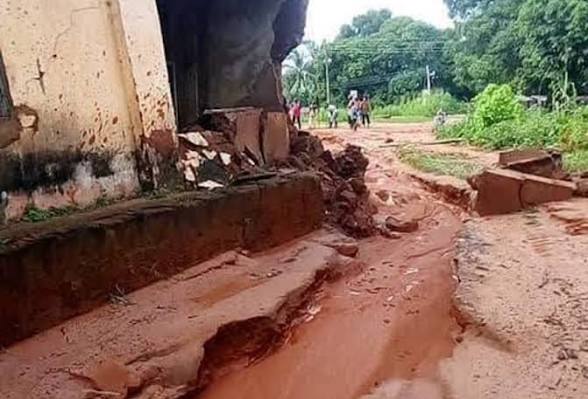
A medical doctor, author and Medical Director of Lydia Memorial Hospital, Dr Mark A. C. Ogbodo, has appealed to President Bola Ahmed Tinubu, the Benue State Government and other stakeholders to urgently rehabilitate the deplorable Otukpo–Obi–Oju Road.
Ogbodo described the road as a critical lifeline for the Igede people, warning that its deteriorating condition has made transportation increasingly difficult, disrupted economic activities and hindered development across Obi and Oju Local Government Areas of Benue State.
The medical doctor made the appeal following his personal experience navigating the road, during which he reportedly had to resort to motorcycle transportation because his car could not negotiate some sections of the damaged route.
The road’s deteriorating condition has affected the movement of people, agricultural produce and essential goods.
He said the situation had imposed significant hardship on residents, particularly farmers, traders, patients, transport operators and business owners who depend on the road for their daily activities.
The Otukpo–Obi–Oju Road connects Otukpo, a major commercial centre in Benue South Senatorial District, with Obi and Oju, the two local government areas predominantly inhabited by the Igede people.
According to Ogbodo, the road’s deteriorating condition has affected the movement of people, agricultural produce and essential goods, while discouraging potential investors from establishing businesses in the area.
He expressed concern that residents should not continue to endure such difficulties because of the poor condition of a major transportation route.
“The Igede people deserve safe, accessible and motorable roads that support their economic activities, education, healthcare delivery and overall development,” he said.
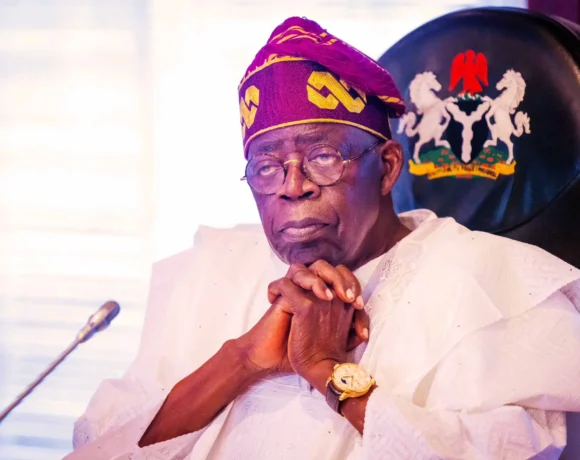
Ogbodo called on President Tinubu to direct the relevant federal authorities to assess the road and initiate comprehensive rehabilitation to restore its functionality.
He noted that repairing the road would improve connectivity, stimulate economic activities and demonstrate a commitment to the development of communities that depend on public infrastructure for their livelihoods.
The medical doctor also appealed to the Benue State Government to take immediate steps to address the situation, urging authorities not to allow administrative disagreements over responsibility or funding to prolong residents’ suffering.
The Igede people deserve safe, accessible and motorable roads that support their economic activities, education, healthcare delivery and overall development.
He suggested that the state government could explore an interim intervention using available resources while engaging the Federal Government to establish appropriate funding and reimbursement arrangements, if the road falls under federal jurisdiction.
According to him, the immediate priority should be to restore access and ease the difficulties faced by residents while the relevant authorities resolve questions concerning ownership, financing and long-term maintenance.
He stressed that cooperation between the federal and state governments would provide a practical approach to addressing the road’s condition.
Ogbodo also called on political parties, elected representatives, aspirants and other political stakeholders to support the rehabilitation of the road through tangible contributions.
He proposed that willing political groups and individuals could adopt designated sections of the road for rehabilitation, subject to engineering standards, regulatory approvals and coordination with the relevant authorities.
He suggested that stakeholders with the necessary resources could consider taking responsibility for sections of up to 50 kilometres each, depending on their capacity and the road’s actual length and condition.
He said such an arrangement could encourage collective responsibility and enable political leaders to demonstrate their commitment to community development beyond campaign promises.
“Leadership must go beyond saying, ‘I will do it.’ The people need to see concrete action. Those who genuinely wish to serve should consider what they can contribute to solving the problems confronting the communities they seek to represent,” he stated.
He further urged political leaders to set aside party differences and work together to mobilise resources for the rehabilitation project.
Beyond government and political leaders, Ogbodo appealed to philanthropists, corporate organisations, community development associations, wealthy individuals and other well-meaning Nigerians to support efforts to restore the road.
He said coordinated private-sector participation could complement government intervention, provided contributions were managed transparently and construction work was carried out under appropriate technical supervision.

Dr Mark A. C. Ogbodo, Medical Director of Lydia Memorial Hospital
He also urged potential investors to recognise the economic opportunities in the Igede area, noting that improved road infrastructure would facilitate the transportation of agricultural produce, reduce travel difficulties and create a more favourable environment for businesses.
According to him, a functional road network would also improve access to hospitals, schools, markets and other essential services, particularly for residents of rural communities.
Highlighting the industriousness of the Igede people, Ogbodo said agriculture remained a major source of livelihood for many residents of Obi and Oju, making reliable transportation essential to their economic well-being.
He warned that the road’s poor condition could further constrain farmers’ access to markets, increase transportation difficulties and discourage businesses from investing in the area.
He maintained that rehabilitating the road would represent more than an infrastructure project, describing it as an investment in the people’s livelihoods, economic opportunities and long-term development.
He added that improved connectivity would strengthen commercial activities, support industrial growth, facilitate emergency medical transportation and enhance the quality of life of residents.
Ogbodo urged the Federal Government, Benue State Government, legislators representing the affected constituencies, traditional rulers, community leaders, political parties, philanthropists and private-sector operators to treat the rehabilitation of the road as an urgent development priority.
He called for a coordinated response that would begin with a proper technical assessment, followed by a clear rehabilitation plan and the execution of work in line with acceptable engineering standards.
The people need practical action to address the condition of the Otukpo–Obi–Oju Road, not further delays.
The medical doctor expressed hope that a collective effort by government and non-governmental stakeholders would restore the road to a motorable condition and improve the living conditions of communities across Obi and Oju.
He said the Igede people would appreciate individuals, organisations and governments that responded positively to the appeal and contributed meaningfully to resolving the longstanding infrastructure challenge.
For Ogbodo, the message is clear: the people need practical action to address the condition of the Otukpo–Obi–Oju Road, not further delays.
He maintained that rehabilitating the road would help reconnect communities, improve access to essential services, strengthen agricultural and commercial activities, and create better opportunities for the people of the Igede nation.
Author

Sign up for The Insight Newsletter
Get in-depth, research and data-based interpretative reports from around Nigeria.