Lighting the Forgotten: How Solar Power Can Revive Michika, Madagali After a Decade of Darkness
By Emmanuel Kwada
“It hit me hard when my wife went into labor and we rushed her to the General Hospital in Madagali. We spent the night in total darkness. Mosquitoes feasted on us, and our newborn baby was delivered under torchlight. Patients on admission were sweating inside mosquito nets because there was no electricity to power even a fan. That was the day I realised that darkness is not just an inconvenience here — it is suffering. But all thanks to solar power, the hospital now has 24-hour light” — Durkwa Iliya, Madagali.
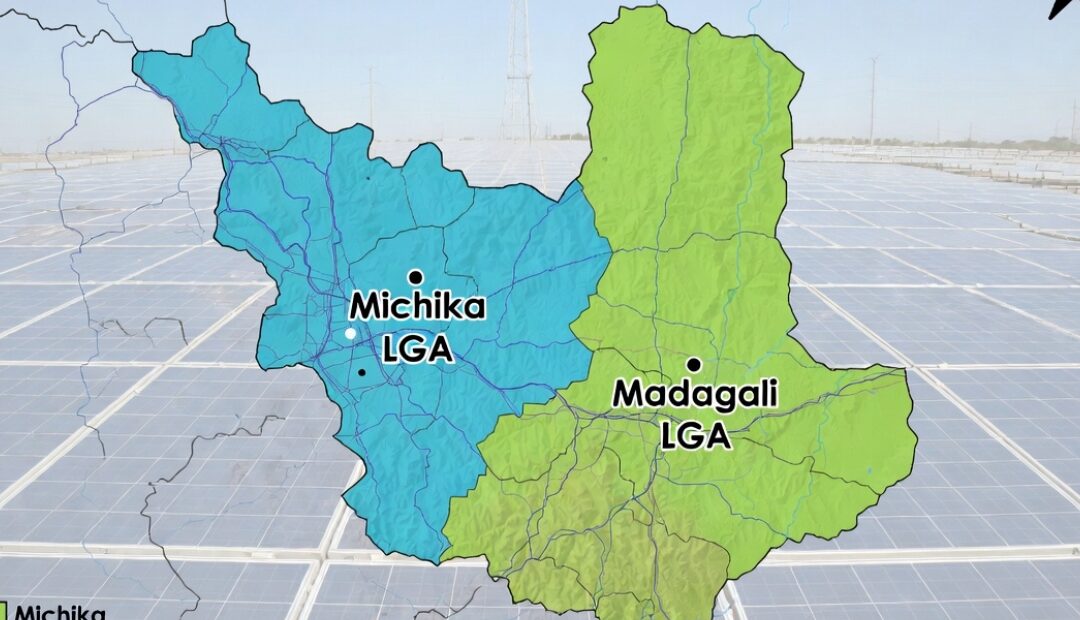
For most Nigerians, a power outage is a temporary disruption. The inconvenience may last a few hours or, at worst, a day. But for the people of Michika and Madagali Local Government Areas of Adamawa State, darkness has become a way of life — a painful daily reality.
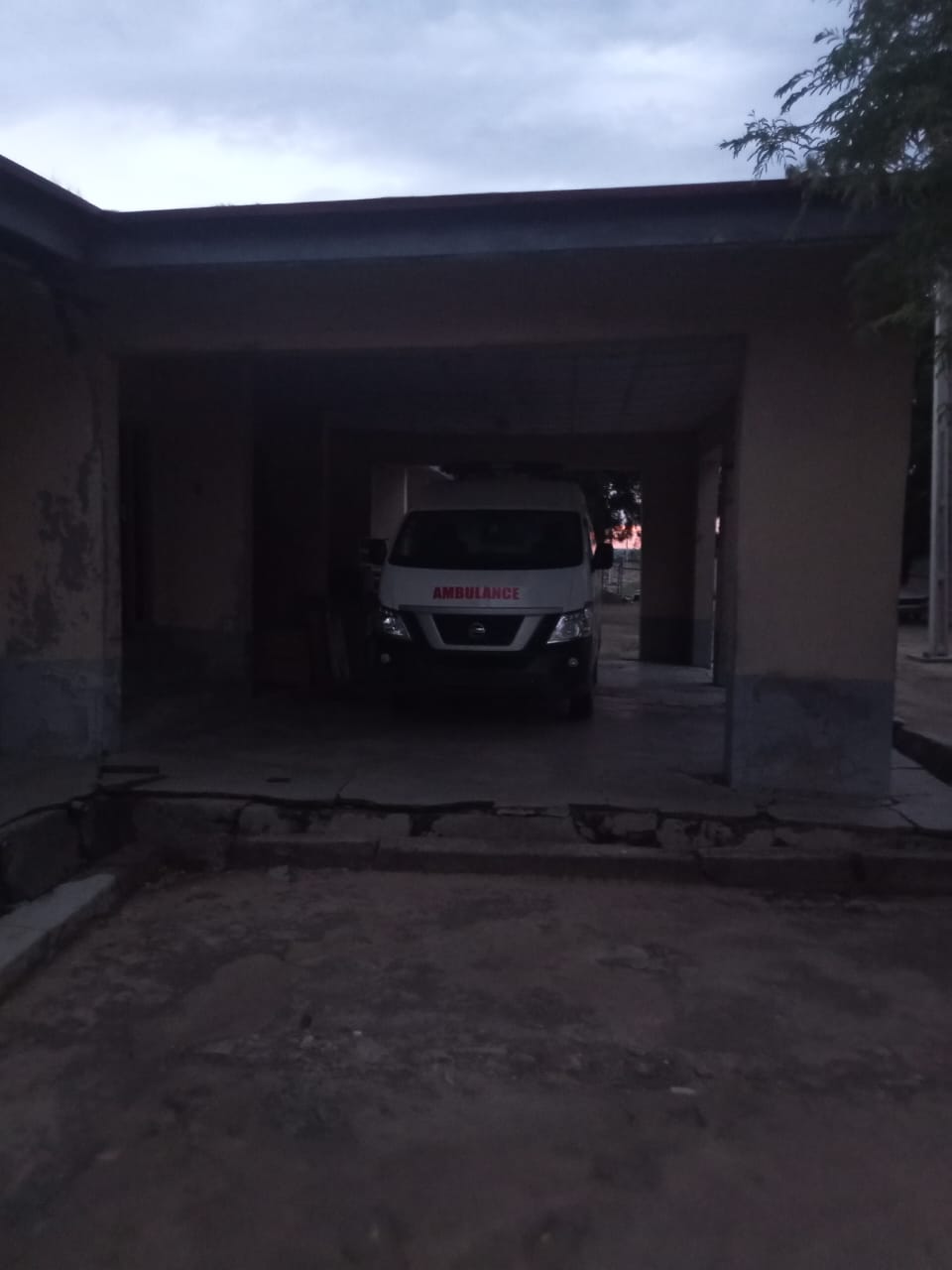
General Hospital Madagali was in total darkness before solar power was installed by the administration of Gov. Ahmadu Umaru Fintiri.
More than a decade after Boko Haram insurgents destroyed the electricity infrastructure across the two border communities in 2014, thousands of residents continue to live without public power supply.
Entire communities descend into darkness at sunset. Businesses close early, students strain their eyes under kerosene lamps or phone torches, and health facilities operate at great risk with severe limitations. Families pour scarce income into expensive fuel, while many small enterprises have collapsed or struggle at minimal capacity. The prolonged blackout has slowed economic recovery, deepened poverty, and left deep emotional scars on a region still healing from conflict.
Lighting the Forgotten: How Solar Power Can Revive Michika, Madagali After a Decade of Darkness
“It hit me hard when my wife went into labor and we rushed her to the General Hospital in Madagali. We spent the night in total darkness. Mosquitoes feasted on us, and our newborn… pic.twitter.com/lBrNkAVdBx
— The Insight (@theinsightngr) July 3, 2026
While much of Nigeria debates electricity tariffs and power generation, residents of Michika and Madagali are still fighting for something more basic — access to electricity itself.
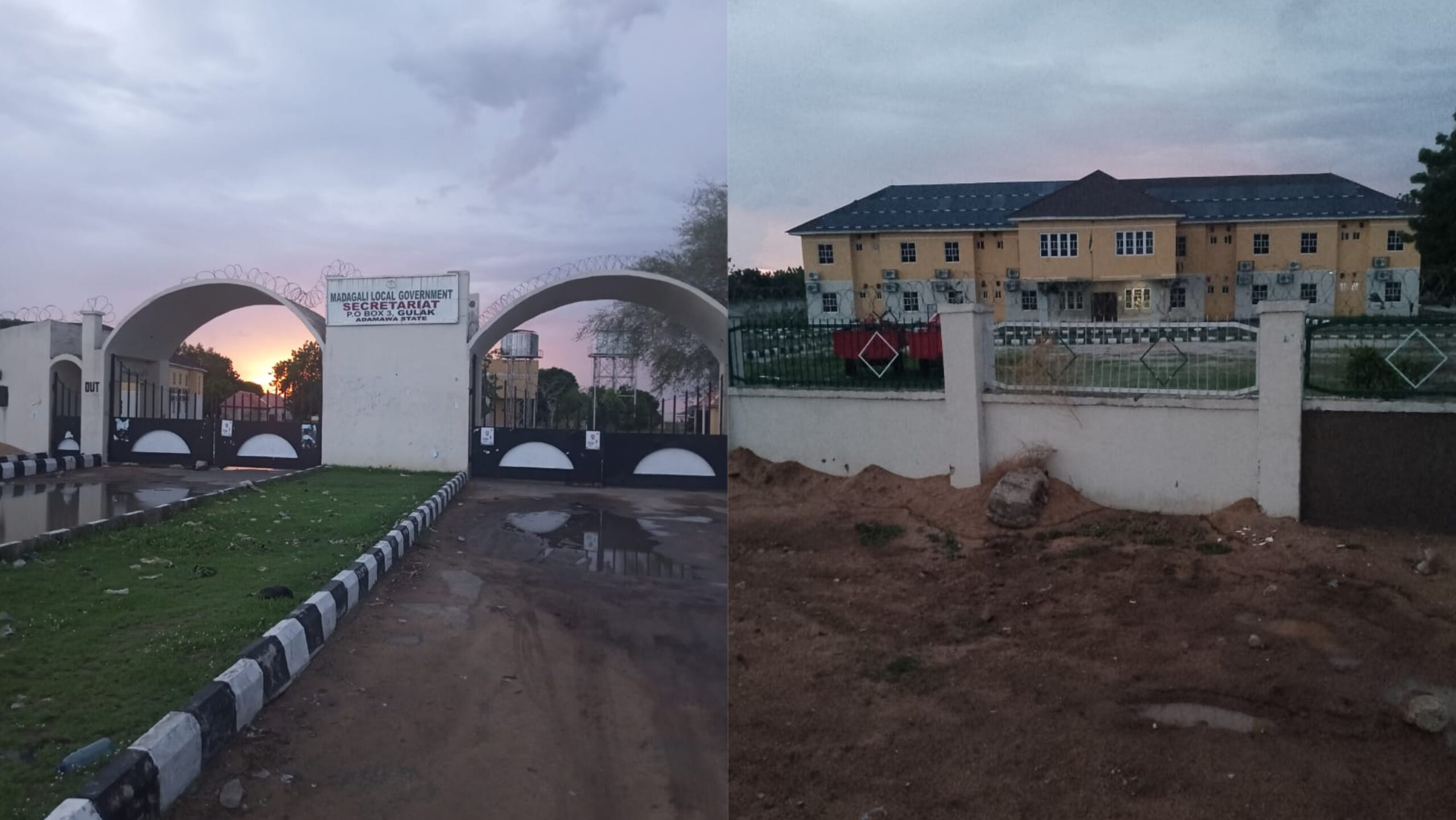
Madagali Local Government Secretariat now roofed with solar panels.
Today, as Nigeria turns increasingly to renewable energy, residents see solar power — through mini-grids and household systems — as their brightest hope for revival.
This investigation reveals how ten years without power has deepened poverty, crippled businesses, weakened education and healthcare, and left communities still battling the economic consequences of a war that began years ago and continues to this day, with no end in sight.
When insurgents overran these border communities in 2014, power lines and transformers became casualties of war. Although residents returned to rebuild their lives, stable electricity never followed.
“We returned after Boko Haram took our town, but came back to total darkness,” said Simon Vashima, a pharmacy owner in Mafer, Madagali. “Only a few shops run generators. At night, the whole community is black.”
The consequences run deep. Economic activities have declined sharply, young people migrate in search of opportunities, and daily life remains tethered to costly and unreliable alternatives.
We returned after Boko Haram took our town, but came back to total darkness.
Yet amid the darkness, solar power is emerging as perhaps the most realistic and transformative solution.
For many residents, the absence of power remains one of the most painful reminders of the insurgency.
“We survived Boko Haram,” said Vashima. “We came back believing life would improve. Instead, we returned to total darkness.”
He explained that most households now depend on rechargeable lamps.
“We pay about ₦200 every time we charge them and sometimes recharge every two days. It may sound small, but when you multiply it by weeks and months, it becomes another burden on already struggling families.”
Businesses Fighting for Survival
Living without electricity has become extraordinarily expensive, and the removal of fuel subsidies in 2023 worsened the burden. In these areas, where security issues sometimes disrupt supply, petrol sells for between ₦2,000 and ₦2,500 per litre. Families and businesses face agonising choices.
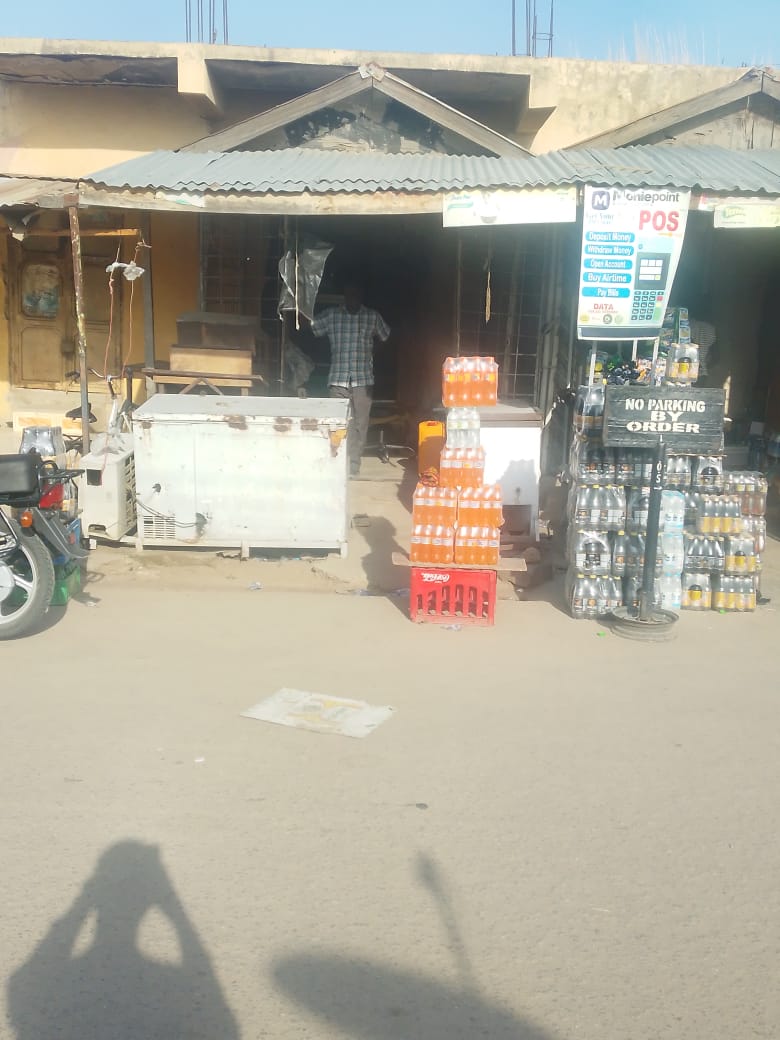
Barka Jonah’s Provision store
Small entrepreneurs bear some of the heaviest burdens. Barka Jonah, who runs a provisions store in Shelmi, Madagali, said he spends between ₦35,000 and ₦50,000 monthly on occasional generator use. “I only put on my generator from 6:30 to 8pm sometimes, but at the end of the month all my profits go for fueling. It is killing us slowly,” he lamented.
“And most of my customers go to my neighbor who has solar power installed in his shop because he sells cold drinks and charges phones too. He closes late, so people gather in front of his shop to relax while patronizing him. But darkness forces me to close by 8pm, or 7pm sometimes,” he said.
At a barbing salon in Michika, Zira Kwaji watches customers vanish as darkness falls. “My shop dies by 6:30pm. No light means no customers. As soon as you put off your generator, people will not come. They’ll go to where there are solar lights, and you can’t keep a generator running with this expensive fuel unless you’re barbing. Many businesses on this street have closed since 2014.”
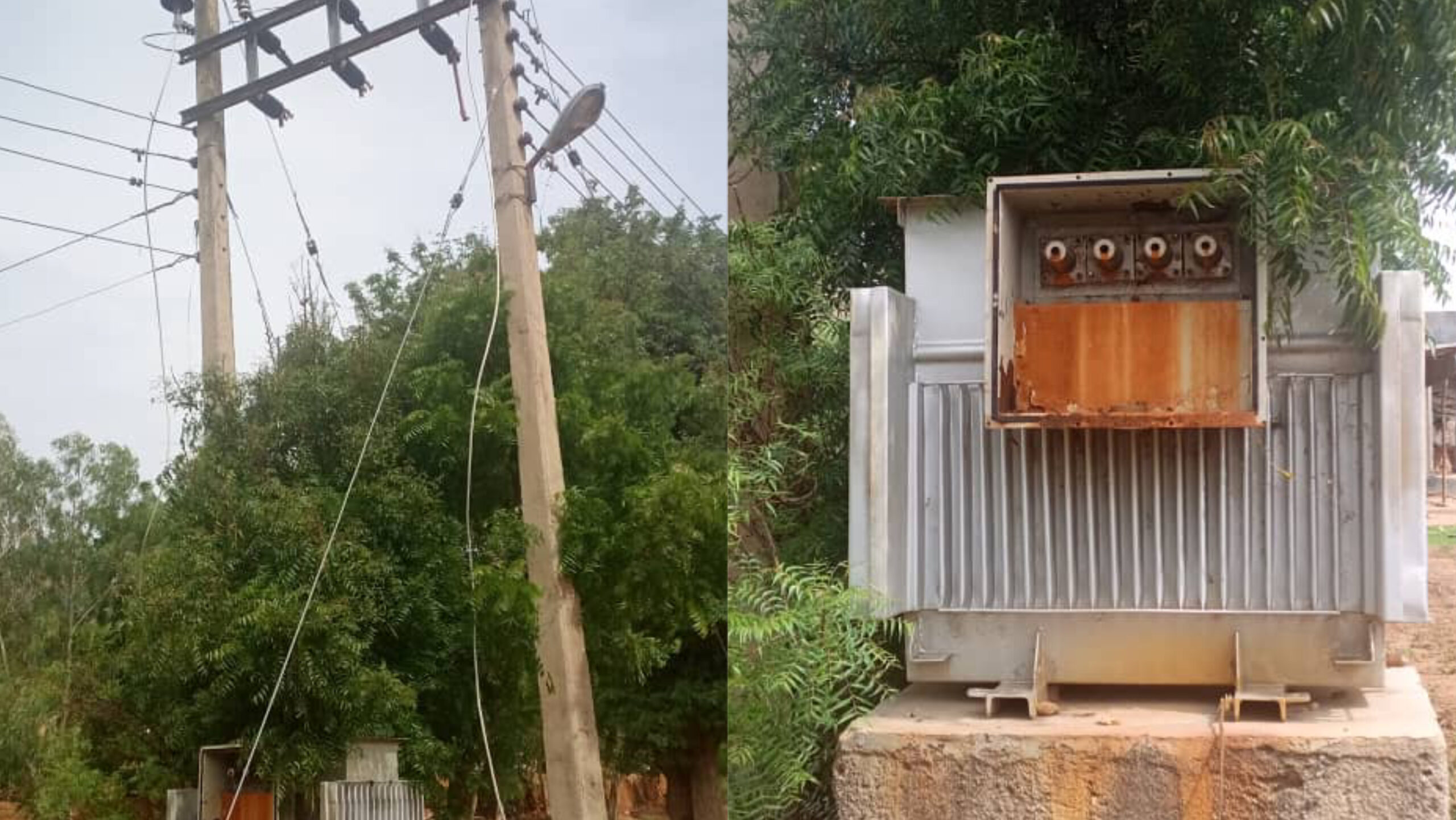
Some of the destroyed transformers are covered in rust.
For Solomon Bitrus, a father of five, the power crisis has nearly destroyed his livelihood.
His welding business once provided enough income to support his family and pay school fees.
Today, he spends between ₦10,000 and ₦15,000 on diesel daily, and can only complete a few jobs.
“When electricity existed, even if it was not stable, I could save money,” he said.
“Now, I spend more than I earn.”
Unable to sustain his workshop, Solomon increasingly relies on farming.
Customers who once patronized him now travel to Uba and Mubi, where electricity makes production cheaper.
“They tell me I do quality work,” he said. “But because I cannot compete with people using electricity, they leave.”
Another welder, Solomon Paul Bitrus, described the emotional toll. “My brother, since 2014 we have been living hand to mouth. You can’t save anything. No light, only the sound of expensive generators that eat all my profit. I lost my welding workshop because I could not afford diesel every day. It was from the welding business that I bought my house when everything was cheap, but now I farm to feed my family, and there is no farmland again. If solar comes with a monthly or weekly subscription, I will cry for joy. It will bring back my business and my dignity.”
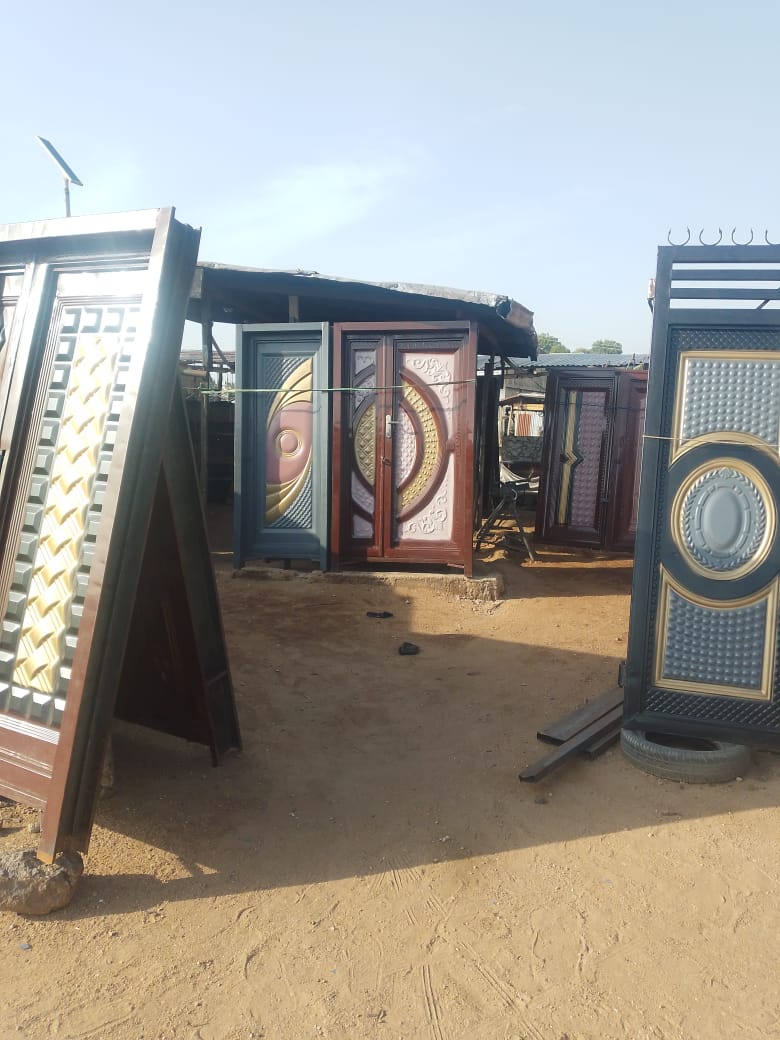
Solomon Bitrus’ Welding Workshop in Michika.
Phone charging business owner Pius Indarakwa faces a similar challenge. “People bring phones to charge, but I cannot even power my own business properly, so they take it to a shop that has solar. At the end of the day, I’ll go back home with no money.”
The consequences are visible everywhere.
Tailors sew manually because they cannot afford to run generators.
Nearby, Fashion Designer Mr. Sadiq Mani the owner of MJ & Brothers Clothing expressed quiet anger: “I am angry and tired at the same time. Ten years after we returned, there is no electricity, and nobody cares. Fuel is ₦2,500 a liter. How much are you going to charge customers? You can see my industrial machine gathering dust. I’m saving money for solar installation; maybe it’ll lessen my burden.”
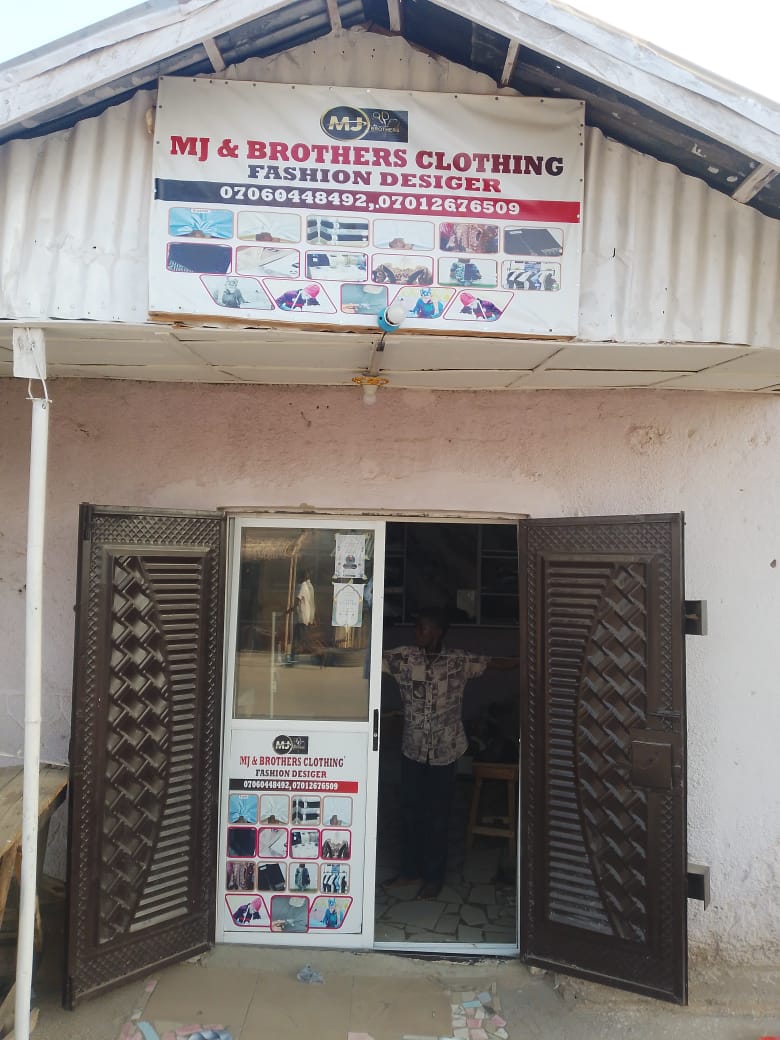
Mr Sadiq Mani’s shop
In Madagali, cold-room operator Iliya Kafashi watched his business suffer: “My cold room for fish and drinks is dead. I watch my goods spoil while I spend thousands on fuel weekly. I can’t feed my family properly again because the little profit I get goes to transportation and diesel. I need 2.5kVA to run my shop.”
Perhaps the most heartbreaking impact is on education and healthcare. The energy crisis permeates every aspect of community life in Madagali and Michika, which together are home to more than 300 schools and healthcare facilities. In most of these institutions, students and teachers endure extreme heat without fans or adequate lighting, while hospitals, clinics and government offices continue to operate under severe power constraints, compromising healthcare delivery and public services.
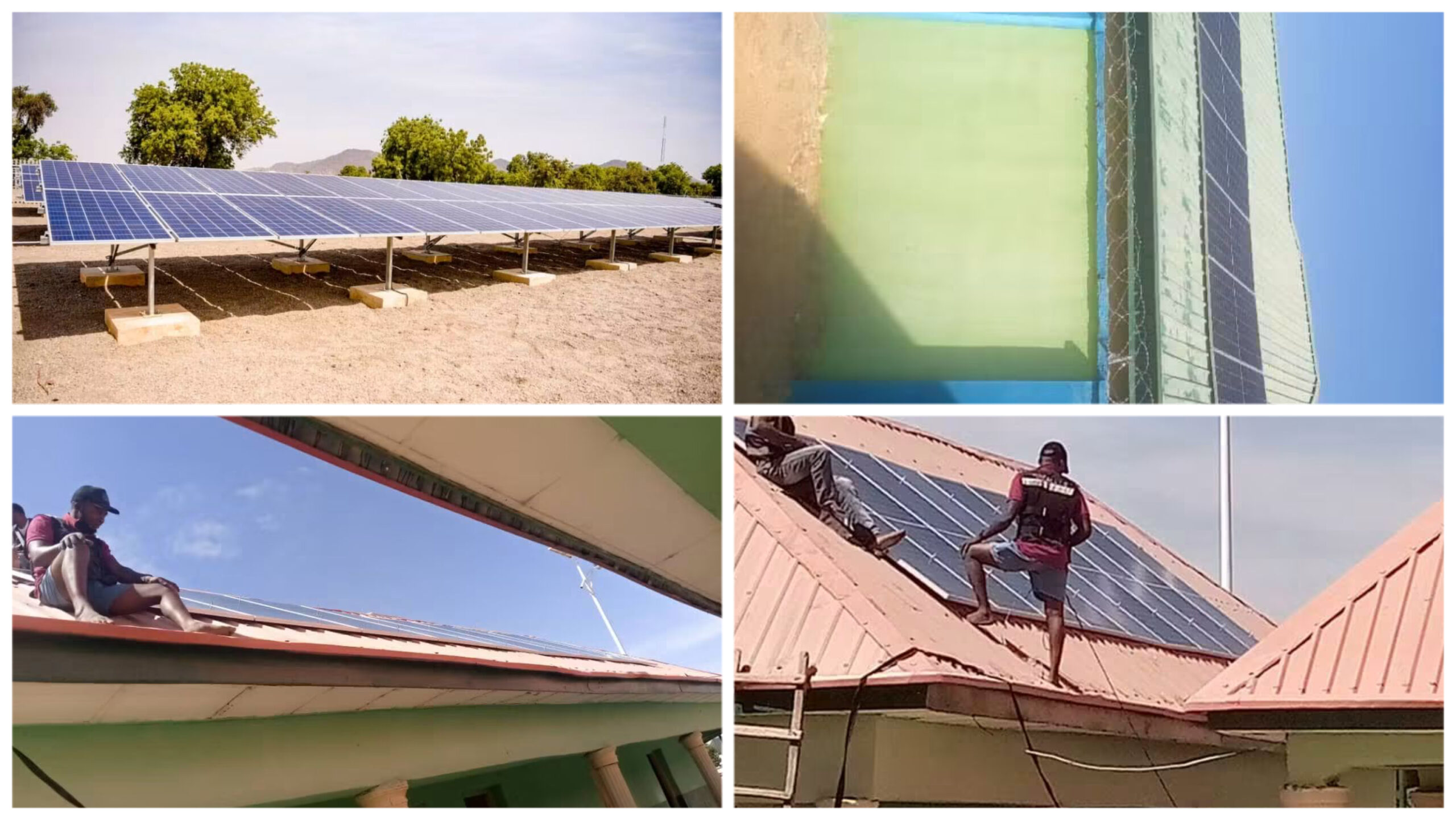
Earlier this year, solar power was installed at a few institutions in Madagali and Michika. Beneficiaries include 4 Primary Health Care Centres, Seminary Academy Shuwa, GSS Gulak, and Madagali.
Although a few institutions benefited from solar power installations earlier this year, the impact remains limited. The beneficiaries include Primary Health Care Centres in Kuburshosho, Wambilim, Kubi-Madzi and Moda Dlaka, as well as Seminary Academy in Shuwa, Government Day Secondary School Gulak and Madagali Teaching Hospital. While these facilities now enjoy improved access to electricity, they represent only a small fraction of the institutions across the two local government areas.
The vast majority of schools, health centres and public facilities remain without reliable power, underscoring the scale of the electricity deficit and the urgent need for broader intervention.
Teacher Jonah Jildawa in Shuwa described the nightly struggle: “Most students rely on phone torches or kerosene lamps to study. Their eyes hurt from the strain. There are no computers, no internet facilities, and no reliable electricity.”
According to him, academic performance has declined significantly. “We are asking our children to compete with students in cities who have access to computers, the internet, and steady power. It is not a fair competition.” Without urgent intervention, educators fear the crisis will further widen educational inequality.
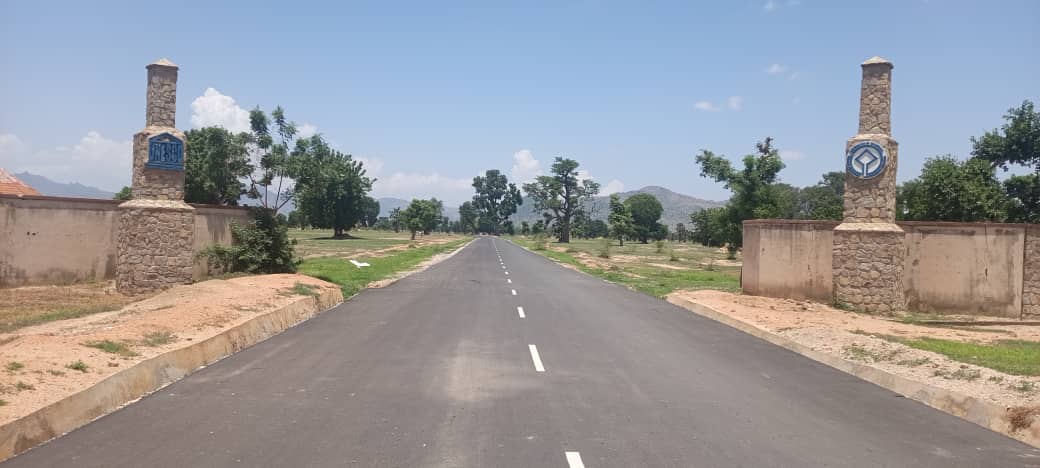
The toll gate to the famous Sukur World Heritage Site in Madagali has over 10,000 people living without access to electricity.
Healthcare services face equally severe challenges.
Medical equipment is limited, and essential supplies are often compromised. Ishaku Luka from Madagali spoke with deep emotion: “I feel pain every time I remember how we used to have NEPA light. Now my chemist struggles at night with weak torchlights. We lose some vaccines because there is no steady power for refrigeration equipment. My heart bleeds for this community.”
Patients and families bear the human cost. Durkwa Iliya still vividly recalls his wife delivering their baby under torchlight at General Hospital Madagali. “It was painful,” he said. “I kept asking myself if this is how people should live.”
Dr. Rafael Luka, a veterinary clinic owner in Mataka, highlighted the risks to both human and animal health: “Vaccines and temperature-sensitive drugs are frequently compromised. Night emergencies become dangerous because of the darkness—some cases simply cannot wait until morning.” He believes solar power could transform outcomes: “Reliable electricity would save lives, both human and livestock.”
I charge ₦200 per phone and receive between 200 and 500 phones every day. It was the best decision I ever made.
For many young people, the lack of electricity has stifled economic opportunities before they could begin. Lazarus James, a Computer Science graduate, once dreamed of establishing a graphic design and printing centre in Madagali. After calculating the prohibitive cost of running computers and printers on generators, he abandoned the plan. “I remain unemployed because I cannot afford the running costs,” he said.
His experience reflects a broader pattern: without reliable power, entrepreneurship becomes nearly impossible. As businesses fail to emerge, unemployment rises and poverty deepens.
Solar Success Offers a Glimpse of Hope
Despite these challenges, there are encouraging examples of what is possible. In Dirgemi, Michika, businessman Moses Denis invested approximately ₦2 million in a solar system in 2021. Today, it powers phone charging, laptop use, refrigeration, and cold drinks for over 1,000 residents daily—creating a thriving local hub.
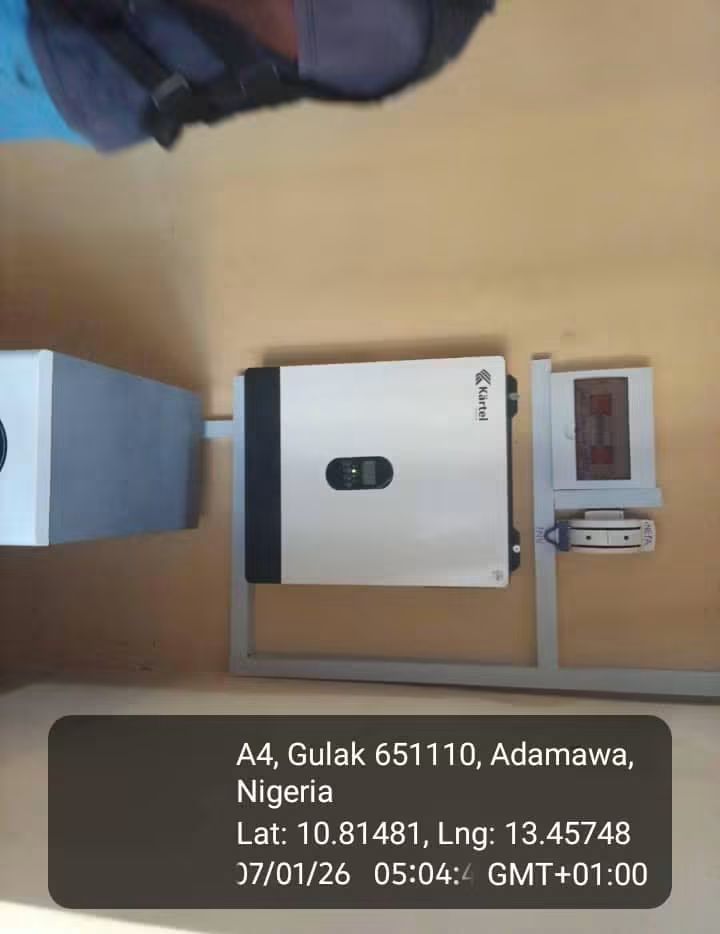
“I charge ₦200 per phone and receive between 200 and 500 phones every day,” he said. “It was the best decision I ever made.”
Remarkably, the system has required minimal maintenance since installation. His success provides tangible proof that solar power can work effectively in the region, offering a practical and sustainable path forward.
Why Solar May Be the Fastest Solution
Engr. Ojima Ishaq, CEO of Zifah Solar Solutions, has highlighted the practical potential of solar energy for Nigerian homes and small businesses. According to him, 1.5kVA to 2kVA solar systems can reliably power essential appliances and equipment, including lighting, fans, televisions, refrigerators, laptops, tailoring machines, and other small commercial operations.
While the cost of a complete installation ranges from approximately ₦800,000 to ₦1.8 million, flexible financing options are making solar power increasingly accessible. These include outright purchase, 75 percent upfront payment with the balance spread over several months, instalment plans, asset financing, and monthly subscription models.
“Many small business owners cannot afford the full cost upfront,” Ishaq explained. “That is why flexible payment models are becoming increasingly popular.”
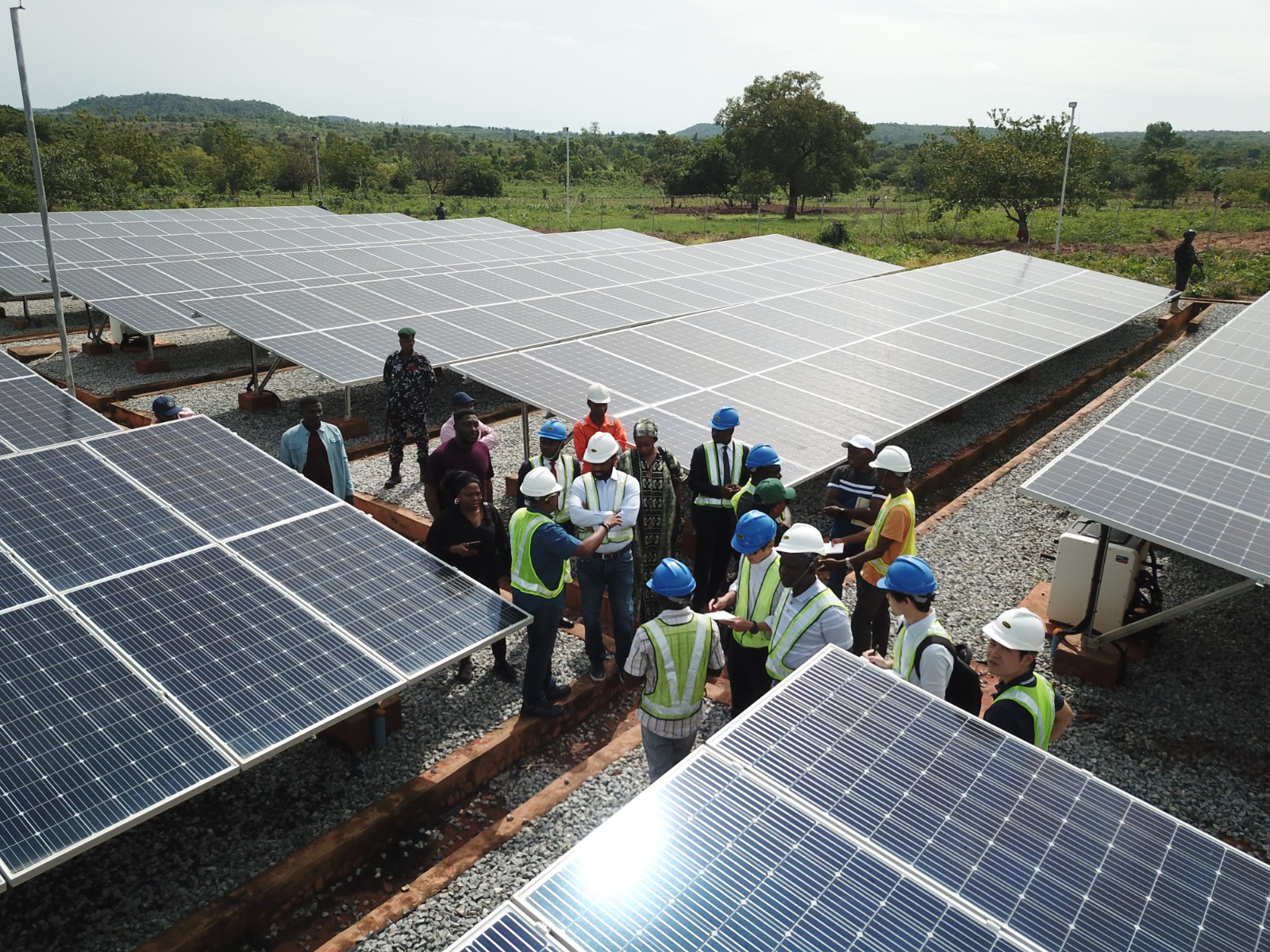
The 505-kilowatt peak (kWp) interconnected solar mini-grid in Epe Local Government Area of Lagos State
For residents of Michika and Madagali in Adamawa State, subscription-based community solar systems could prove particularly transformative. Many locals interviewed expressed willingness to pay monthly fees in exchange for reliable electricity. Residents such as Usman Galdima, Joseph Yakubu, Taru Timothy, and Isaac James described solar power as a “resurrection,” a chance to “smile again,” and “the light we have been praying for.”
Government and Policy Perspective
At the national level, the Federal Government continues to promote renewable energy as a key driver of development.
While commissioning the 505-kilowatt peak (kWp) interconnected solar mini-grid in Epe Local Government Area of Lagos State, the Minister of Power, Joseph Tegbe, described the project as a clear demonstration of how renewable energy is transforming lives and supporting the government’s agenda for economic growth and poverty reduction.
“None of these objectives can be achieved without reliable and affordable electricity,” Tegbe emphasized. He outlined several expected benefits of the Majoda solar mini-grid, including lower electricity costs for households and small businesses, reduced reliance on petrol and diesel generators, improved healthcare and educational outcomes, cleaner air, and increased economic productivity.
“Most importantly, this project demonstrates how renewable energy can serve as a catalyst for rural economic transformation,” he added.
The minister also linked the initiative to the Electricity Act 2023, which has enhanced state participation and private-sector investment in distributed renewable energy solutions. He noted that mini-grids are becoming a vital component of Nigeria’s electricity landscape, especially in underserved and off-grid communities.
In Adamawa State, the Commissioner for Works and Energy Development, Engr. Muhammed Suleiman, affirmed the state government’s openness to partnering with green energy providers to bring light to the affected areas.
The state government’s openness to partnering with green energy providers to bring light to the affected areas.
While noting that electricity distribution falls under the responsibility of the Yola Electricity Distribution Company (YEDC), he said the state government remains committed to restoring power.
“We are making concerted efforts to restore electricity to Madagali and Michika,” he said.
However, repeated attempts to obtain comments from YEDC were unsuccessful. Calls, text messages, and WhatsApp inquiries sent before publication received no response.
While government officials have assured residents that efforts are underway to restore power — with updates promised in the coming weeks — YEDC has not responded to multiple inquiries.
The people of Michika and Madagali are not asking for luxury.
They are asking for dignity.
Read Also: Data Shows 89% Reject Abrupt Solar Ban; Stakeholders Push 5-Year Local Plan
Author

Sign up for The Insight Newsletter
Get in-depth, research and data-based interpretative reports from around Nigeria.