
Ebola Returns: What Nigerians Need to Know About the Confirmed Case in Abuja
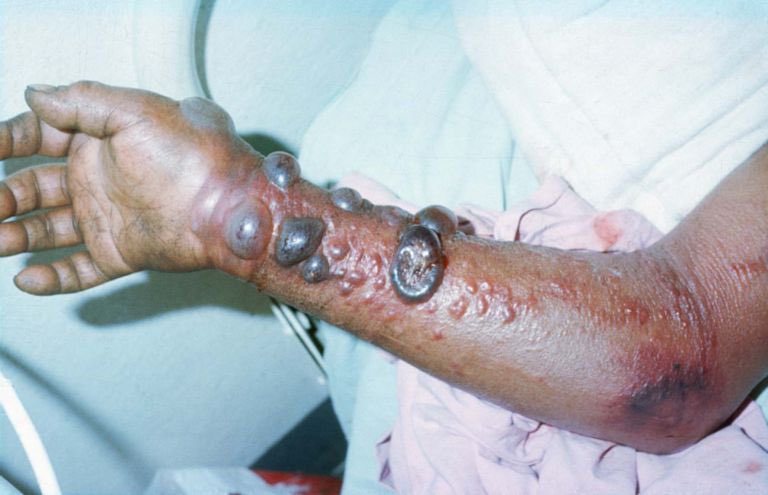
Key Points:
- FG confirms imported Ebola Bundibugyo case in Abuja, patient now isolated.
- 44 contacts identified, mainly healthcare workers and hospital support staff.
- Uganda denies active cases, says transit does not confirm infection origin.
- Ebola not airborne, spreads via body fluids, fatality rate about 50%.
- Nigeria contained 2014 outbreak; avoid handshakes with suspected cases, practice hygiene.
By Emmanuel Kwada
Nigeria is on heightened public health alert following the confirmation of an imported Ebola case in the Federal Capital Territory (FCT), Abuja, raising fresh concerns about disease surveillance, hospital safety and the country’s preparedness to prevent another outbreak.
The Federal Government confirmed the case on Tuesday, October 20, 2026, after laboratory tests returned positive for a female patient receiving treatment at a private hospital in Abuja.
The Coordinating Minister of Health and Social Welfare, Professor Muhammad Ali Pate, said the patient had been isolated and was receiving medical care, while relevant government agencies had activated emergency response measures to contain the disease and prevent further transmission.
Confirmation of a single case does not automatically mean Nigeria is experiencing a widespread outbreak.
The Nigeria Centre for Disease Control and Prevention (NCDC), the Federal Ministry of Health and Social Welfare, the FCT Health Services Secretariat and other relevant agencies are coordinating surveillance, contact tracing, laboratory investigations and infection prevention measures.
Although the confirmation of a single case does not automatically mean Nigeria is experiencing a widespread outbreak, health experts say rapid detection, effective contact tracing and public awareness will be crucial to preventing further infections.
For Nigerians, the immediate questions are straightforward: How did the patient become infected? Who may have been exposed? How does Ebola spread, and what precautions should individuals and healthcare facilities take?
Dr Odianosen Ehiakhamen, Incident Manager of Nigeria’s National Ebola Disease Response, provided details of the circumstances surrounding the detection of the case during an appearance on Arise Television.
According to him, the patient initially presented with symptoms resembling malaria and was managed at a private hospital before health authorities were contacted to collect samples for laboratory testing.
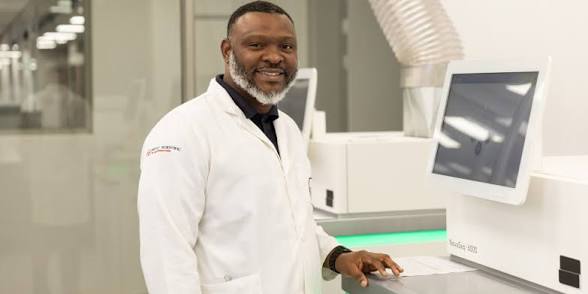
Dr Odianosen Ehiakhamen
He explained that the FCT health authorities promptly sent a case investigation form, which was completed using information obtained from the physician managing the patient.
The investigation subsequently established a travel history that required further examination.
Ehiakhamen said the patient arrived in Nigeria on October 5, 2026, developed her first symptoms on October 7 and was at the hospital by October 11, where she remained.
The incident manager also disclosed that 44 contacts had been identified, consisting mainly of healthcare workers and hospital support staff.
The identification of these contacts is an important step in determining whether the virus may have been transmitted to anyone else.
However, being identified as a contact does not mean that a person is infected. Contact tracing allows health authorities to assess exposure, monitor potentially exposed individuals and respond quickly if symptoms develop.
The authorities’ investigation will be essential in establishing the extent of possible exposure and determining whether additional cases emerge.
Travel through Uganda does not establish that infection occurred here.
The patient’s travel history has also prompted clarification from Uganda, the country through which she reportedly travelled before arriving in Nigeria.
Uganda’s Ministry of Health said the woman had travelled to eastern Democratic Republic of the Congo (DR Congo) for business before transiting through Uganda in early October.
Charles Olaro, Uganda’s Director-General of Health Services, said the patient did not exhibit symptoms while in Uganda but developed them after arriving in Nigeria.
The Ugandan government stressed that transit through its territory did not establish that the infection originated there.
“Travel through Uganda does not establish that infection occurred here. The location of exposure remains under investigation,” the ministry said.
Uganda also maintained that it had no confirmed active Ebola cases at the time of its statement.
The clarification places the patient’s travel history and possible exposure in DR Congo at the centre of ongoing investigations. However, the precise location where the infection occurred remains unconfirmed in the information released so far.
For Nigeria, establishing the likely source of infection is important, but the immediate priority is to identify contacts, protect healthcare workers and prevent onward transmission.
Ebola is a severe viral disease that can cause serious illness and death. It can spread rapidly in communities and healthcare settings when infected people are not identified promptly and appropriate infection prevention measures are not followed.
Ebola is a severe viral disease that can cause serious illness and death.
According to the World Health Organisation (WHO), the average case fatality rate across Ebola disease outbreaks is approximately 50 per cent, although the rate varies depending on the virus involved, the outbreak circumstances and access to medical care.
One important fact Nigerians should understand is that Ebola is not transmitted through the air in the same way as measles or other infections that spread through airborne particles.
Speaking on Arise Television, Professor Oladapo Ashiru, President of the Academy of Medical Sciences Foundation, emphasised that Ebola spreads primarily through direct contact with the body fluids or secretions of an infected person who is showing symptoms.
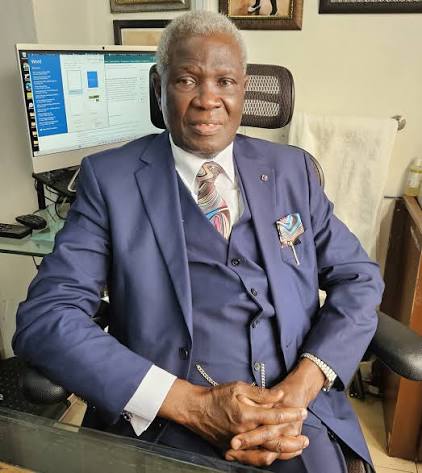
Professor Oladapo Ashiru, President of the Academy of Medical Sciences Foundation.
Ashiru advised Nigerians to exercise caution around physical contact, including handshakes and hugs, while observing appropriate hygiene and safety measures.
The advice is particularly relevant when someone is suspected of having Ebola or is known to have been exposed to the virus. However, ordinary social contact with a person who is not infected does not constitute an Ebola transmission risk.
According to the WHO, transmission occurs primarily through direct contact with the blood or other body fluids of an infected person who has developed symptoms, or the body of someone who has died from the disease.
Infection can occur when contaminated fluids enter the body through broken skin or the eyes, nose or mouth.
Contaminated bedding, clothing, medical equipment and other objects can also transmit the virus.
Healthcare workers and family members caring for infected patients without appropriate protective equipment are particularly vulnerable.
The virus can also spread through contact with infected animals, particularly when handling sick or dead wildlife or inadequately handling products from infected animals.
The symptoms of Ebola can initially resemble those of malaria, typhoid fever and other common illnesses in Nigeria. This similarity makes early recognition and appropriate medical assessment particularly important.
Symptoms may include fever, severe headache, fatigue and weakness, muscle pain, sore throat, vomiting and diarrhoea, abdominal pain, rash, impaired kidney or liver function, and in some severe cases, bleeding.
The time between infection and the appearance of symptoms — ranges from two to 21 days.
Not every infected person will experience all these symptoms, and bleeding is not necessarily present in every case.
The incubation period — the time between infection and the appearance of symptoms — ranges from two to 21 days.
The WHO also explains that people infected with Ebola do not transmit the disease before symptoms develop. Once symptoms begin, an infected person can transmit the virus through direct contact with infectious body fluids.
Anyone experiencing symptoms after a known or suspected exposure should seek urgent medical assessment and disclose their travel history and possible contact with an infected person.
Fever alone does not mean someone has Ebola. Laboratory testing and professional medical assessment are necessary to establish a diagnosis.
Should Nigerians Stop Shaking Hands and Hugging?
The advice to avoid handshakes and hugs has attracted attention following the Abuja case.
While limiting physical contact with a person suspected of having Ebola is a sensible precaution, it is important to understand the reason behind the recommendation.
Ebola is not spread simply because people occupy the same room or breathe the same air. Transmission primarily involves direct contact with infectious body fluids, contaminated objects or other sources of the virus.
Consequently, the most important precautions are to avoid contact with the blood and body fluids of suspected or confirmed cases, practise good hand hygiene, and ensure that suspected patients are managed by trained healthcare professionals using appropriate protective equipment.
People should not stigmatise Nigerians returning from Uganda, DR Congo or other countries based solely on their travel history.
Instead, anyone with a credible exposure risk should follow the advice of public health authorities and cooperate with contact tracing.
Health workers must also follow established infection prevention and control procedures when examining patients whose symptoms and travel histories raise suspicion of Ebola.
Why Nigeria Must Take Hospital Safety Seriously
The Abuja case highlights the importance of recognising unusual symptoms early and obtaining an accurate travel history from patients.
According to Ehiakhamen, the patient was initially treated for malaria-like symptoms before the Ebola investigation began.
Maintain good hand hygiene. Wash your hands regularly with soap and water, particularly after using the toilet.
This underscores a broader challenge for Nigeria’s healthcare system: illnesses that initially resemble common infections can require further investigation when patients have relevant travel histories or other epidemiological risk factors.
The lesson is not that every fever should be treated as Ebola. Rather, healthcare professionals must remain alert to unusual presentations and follow established protocols for identifying and reporting suspected cases.
Hospitals should ensure that healthcare workers understand the procedures for isolating suspected patients, collecting and transporting samples safely, and notifying public health authorities.
They must also maintain appropriate protective equipment, infection control systems and arrangements for referring patients when necessary.
The reported identification of 44 contacts, mainly healthcare workers and hospital support staff, makes monitoring and protection within healthcare facilities especially important.
Effective contact tracing can help authorities establish who was exposed, assess the level of risk and intervene promptly if symptoms appear.
Nigeria’s 2014 Ebola Experience: Lessons for Today
Nigeria’s response to the current case comes with the experience of the 2014 Ebola outbreak, which began after Liberian-American Patrick Sawyer arrived in Lagos while infected with the virus.
The outbreak resulted in 20 confirmed cases and eight deaths, according to widely reported official figures.
Nigeria was able to contain the outbreak through coordinated public health action, including case identification, isolation, contact tracing and monitoring of exposed individuals.
That experience demonstrated the importance of acting quickly when a dangerous infectious disease enters the country.
It also showed that the identification of an imported case does not necessarily lead to a nationwide outbreak when health authorities respond effectively.
The present situation requires similar urgency, although the circumstances of the Abuja case must be assessed on their own evidence.
Nigeria’s large population, busy transport networks and international connections make surveillance and coordination across federal, state and local health authorities essential.
Public and private hospitals must work closely with disease surveillance teams, while laboratories and emergency response agencies need to communicate promptly and accurately.
What the Federal Government Is Doing
The Federal Government has directed healthcare facilities nationwide to remain on alert for suspected Ebola cases and promptly report them to public health authorities.
The response includes surveillance, case identification, isolation, laboratory testing, infection prevention and control, and public health communication.
Avoid direct contact with suspected cases. Do not touch the blood, vomit, stool or other body fluids of someone suspected of having Ebola.
The NCDC and relevant health authorities are expected to coordinate investigations, trace contacts and monitor developments as further information becomes available.
The effectiveness of these measures will depend on timely information sharing, adequate resources, cooperation from exposed individuals and public compliance with official health guidance.
What Every Nigerian Should Do Now
As investigations continue, Nigerians can take practical steps to protect themselves and help prevent the spread of Ebola.
First, maintain good hand hygiene. Wash your hands regularly with soap and water, particularly after using the toilet, before preparing food and after contact with potentially contaminated materials.
Second, avoid direct contact with suspected cases. Do not touch the blood, vomit, stool or other body fluids of someone suspected of having Ebola. Do not handle the body of someone who may have died from the disease without appropriate protective measures.
Third, seek medical attention when necessary. Anyone who develops compatible symptoms after a known or suspected exposure should contact a healthcare provider promptly and explain the circumstances.
Fourth, cooperate with contact tracing. People identified by health authorities as contacts should follow instructions on monitoring, testing and seeking care if symptoms develop.
Fifth, avoid spreading misinformation. Do not circulate unverified claims about suspected patients, hospitals or affected communities. False information can cause panic, discourage people from seeking care and expose patients to stigma.
Finally, healthcare workers must follow infection prevention protocols. Hospitals should identify suspected cases promptly, use appropriate protective equipment and notify public health authorities without delay.
The country’s experience in containing Ebola in 2014 provides an important lesson about the value of early detection and coordinated action.
Ebola is dangerous, but panic and misinformation will not stop it. Early reporting, effective isolation, contact tracing and strict infection prevention measures remain central to protecting Nigerians.
Read Also: Nigeria, Six Others Account for 90% of Global Cholera Deaths — WHO
Author

Sign up for The Insight Newsletter
Get in-depth, research and data-based interpretative reports from around Nigeria.


