Diezani Breaks Silence After UK Court Victory, Says Oil Cabals Targeted Her for Fighting Corruption
By Emmanuel Kwada
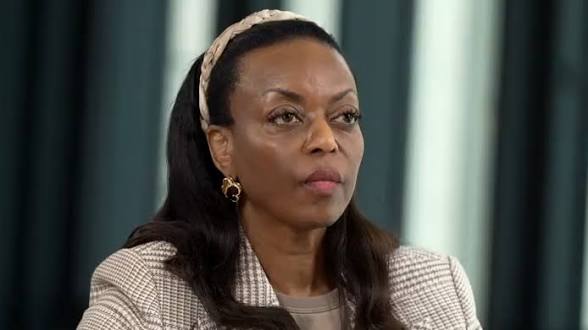
Former Nigerian Petroleum Minister, Diezani Alison-Madueke, has spoken publicly about the impact of the corruption allegations that trailed her for more than a decade, describing the experience as deeply traumatic and damaging to both her reputation and personal freedom.
In an interview with the BBC following her recent legal victory in the United Kingdom, Alison-Madueke said the allegations overshadowed a career marked by historic achievements, including becoming the first woman to lead the Organization of the Petroleum Exporting Countries and the first female president of the Gas Exporting Countries Forum.
Greater efforts should have been made to verify the basis of the allegations before pursuing extensive legal actions.
She argued that the accusations undermined years of professional accomplishments and diminished her contributions to Nigeria’s oil and gas industry as well as her role in advancing women’s representation in global energy leadership.
The former minister said the prolonged investigations and legal battles had taken a significant psychological toll on her, adding that the experience went beyond public criticism and affected her fundamental freedoms.
Alison-Madueke also questioned the manner in which corruption allegations involving politically exposed persons are handled, urging both Nigerian and foreign authorities to review investigative processes in cases with potential political dimensions.
According to her, greater efforts should have been made to verify the basis of the allegations before pursuing extensive legal actions. She maintained that some of the information relied upon by investigators was not sufficiently scrutinised.
A central theme of her defence was the claim that she became a target because of efforts she made to reform Nigeria’s oil sector and challenge entrenched interests.
Several anti-corruption measures introduced during my tenure were resisted by powerful groups within the petroleum industry.
The former minister told the BBC that several anti-corruption measures introduced during her tenure were resisted by powerful groups within the petroleum industry. She argued that these interests were unhappy with attempts to increase transparency and curb abuses in the sector.
Alison-Madueke further suggested that gender dynamics played a role in the public perception of the allegations against her.
She noted that she was the first woman to occupy some of the most influential positions in Nigeria’s petroleum industry and international energy organisations, saying her rise occurred within what she described as a largely patriarchal environment.
Her comments are expected to reignite debate over her controversial tenure as petroleum minister, a period that remains the subject of intense public scrutiny and differing interpretations.
While supporters may view her UK court victory and latest remarks as evidence that she was unfairly targeted, critics continue to argue that questions surrounding governance and accountability during her time in office remain matters of public interest.
The interview represents one of Alison-Madueke’s most extensive public interventions since leaving office and offers fresh insight into how she views the allegations, investigations and political controversies that have defined much of her post-government life.
Read Also: Where Is the ₦400m? Sen. Achonu Accuses Governors of Sabotaging LG Autonomy
Author

Sign up for The Insight Newsletter
Get in-depth, research and data-based interpretative reports from around Nigeria.