
Over 50 Federal Lawmakers May Not Return in 2027
By Emmanuel Kwada
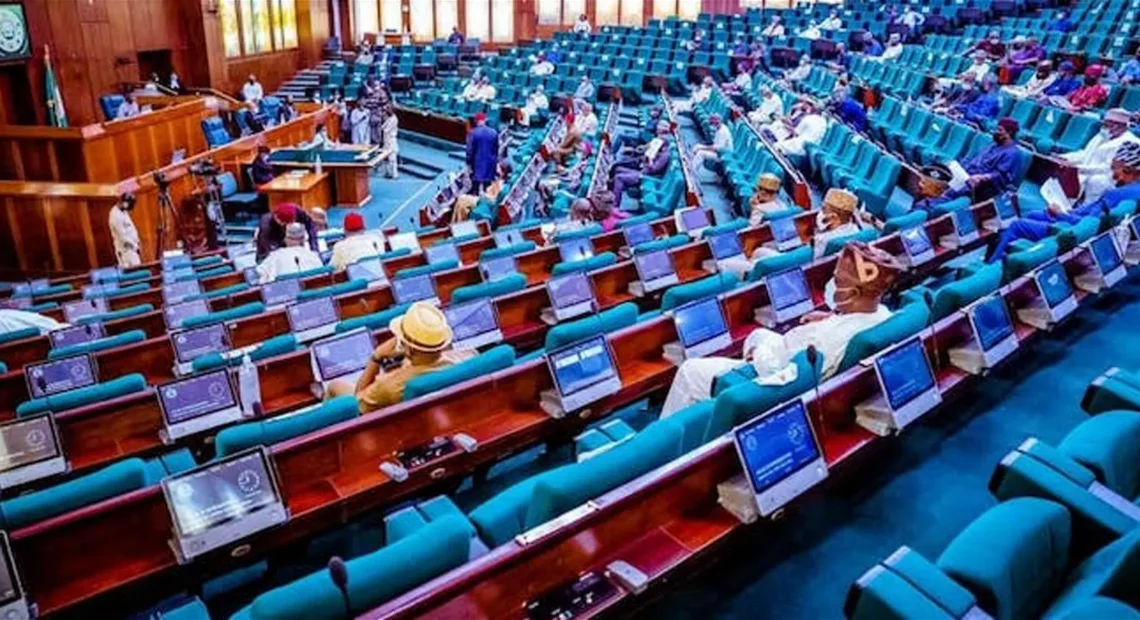
In the lead-up to Nigeria’s 2027 general elections, a wave of political recriminations is sweeping through the All Progressives Congress (APC) as dozens of incumbent lawmakers, many of whom supported key provisions in the controversial Electoral Act 2026, find themselves locked out of re-election contests.
The very legal framework they helped enact now stands as a formidable barrier, preventing easy defection to alternative platforms after losing party primaries. Critics are pointing to this as a classic case of legislative overreach coming back to haunt its architects.
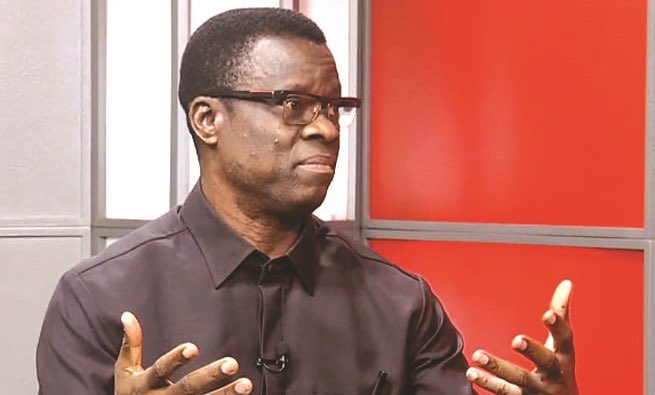
Mike Igini
Former Resident Electoral Commissioner Mike Igini had issued repeated, prescient warnings about the dangers embedded in the amended Electoral Act.
Igini, drawing from years of experience at the Independent National Electoral Commission (INEC), cautioned that certain provisions—particularly those tightening party nomination rules, introducing stricter anti-defection measures, and altering processes around result transmission and candidate eligibility—could undermine electoral credibility and create self-inflicted wounds for sitting lawmakers.
He urged the National Assembly to amend flawed sections. Lawmakers, however, largely shunned these admonitions.
The anti-defection and dual-registration provisions they backed have effectively shut alternative doors.
The bill was passed and signed into law, incorporating digital membership registers, prohibitions on dual party registration, and stringent rules tying candidates strictly to their party’s primary outcomes.
The consequences have materialised dramatically during the APC’s primaries held in mid-May 2026.
No fewer than 48 serving APC members of the House of Representatives, with the total exceeding 50 when accounting for additional disqualifications and Senate losses, failed to secure return tickets.
Many now cry foul, alleging imposition, manipulated consensus arrangements, vote snatching, and irregularities. Yet, the anti-defection and dual-registration provisions they backed have effectively shut alternative doors.
Unlike previous cycles, where defeated aspirants could cross-carpet to other parties, the 2026 Act criminalises such moves with severe penalties. These lawmakers are effectively stranded.
Hon. Austin Asema Achado
In Benue State, a cluster of incumbents aligned with certain party factions fell in direct primaries.
Austin Achado in Gwer East/Gwer West managed only 729 votes against David Nongo’s commanding 17,429. David Ogewu in Oju/Obi was similarly overwhelmed, polling just 120 votes to Peter Ogbodo’s 12,993.
Sekav Iyortyom in Buruku, Dickson Tarkighir in Makurdi/Guma, and Terseer Ugbor in Kwande/Ushongo also lost out amid claims of governor-influenced outcomes.
Plateau State witnessed the defeat of prominent figure Yusuf Gagdi, Chairman of the House Committee on Navy, who scored 5,849 votes against Dr. John Tongshinen’s 29,968 in Pankshin/Kanke/Kanam.
In Nasarawa, two-term lawmaker Ari Abdulmumin Muhammad lost in Nasarawa/Toto, while Jeremia Umaru placed second in Akwanga/Wamba/Nasarawa Eggon. Delta’s long-serving Nicholas Mutu, representing Bomadi/Patani since 1999, was displaced by Basil Okolobaowei Ganagana.
Cross River saw multiple losses, including Mike Etaba in Obubra/Etung, who missed a fourth-term bid as five of eight serving APC reps in the state were reportedly edged out.
Many affected members had defected from other parties in recent cycles, only to face the tightened rules they once endorsed.
Ogun State recorded five sitting members falling, with similar patterns in Imo where four incumbents—including Matthew Nwogu in Aboh Mbaise/Ngor Okpala, Miriam Odinaka Onuoha in Okigwe South, Harrison Anozie Nwadike, and Emeka Martins Chinedu—lost to new candidates such as Ngozi Pat-Ekeji and others.
Jigawa reported four defeats, including Muktar Muhammad, Ibrahim Usman Auyo, Sa’adu Wada Taura, and Yusif Sa’idu Miga.
Edo produced high-profile casualties. House Majority Leader Julius Ihonvbere lost in Owan due to zoning dynamics, with Andrew Ijegbai emerging.
Eseosa Iyawe, a former Labour Party defector, was defeated by Dr. Paddy Iyamu. In the Senate, Ned Nwoko in Delta North lost decisively to former Governor Ifeanyi Okowa. Neda Imasuen in Edo South fell to Omoregie Ogbeide-Ihama.
In Kogi East, Senator Jibrin Isah Echocho, who had been regarded as a strong loyalist of former Governor Yahaya Bello and current Governor Ahmed Ododo, lost his return ticket to Dr. Erico (Joe) Ameh, a candidate widely seen as aligned with the powerful political machinery loyal to Yahaya Bello.
Echocho polled poorly even in his ward and later rejected the results, alleging manipulation and confronting the state governor.
Additional Senate losses, including disqualifications like those of Garba Musa Maidoki in Kebbi South, compounded the sense of a broad upset.
Other notable defeats spanned Kwara, where Ismail Kayode lost in Ifelodun/Oyun/Offa; Kebbi with Mansur Musa Jega displaced; FCT Abuja’s Abdulrahman Abayaro; and scattered losses in Ondo (at least six), Rivers, and elsewhere.
In Adamawa State, incumbent Rep. Jaafar Abubakar Magaji Haske (representing Mubi North/Mubi South/Maiha) was disqualified from the primaries, contributing to the wave of upsets as Governor Fintiri-aligned candidates dominated outcomes across most constituencies amid protests over alleged imposition and lack of credible direct voting.
Defeated lawmakers decry imposed consensus and manipulation.
Many affected members had defected from other parties in recent cycles, only to face the tightened rules they once endorsed.
In Kaduna State, while Senator Shehu Sani successfully reclaimed the Kaduna Central ticket with a strong showing of over 9,000 votes, other federal lawmakers in the state lost to candidates linked to former governor influences and current power dynamics, highlighting factional shifts.
Professor Benjamin Gugon, for instance, defeated incumbent Matthew Donatus in Kaura Federal Constituency.
Party officials, including APC National Publicity Secretary Felix Morka, maintain that processes followed guidelines, with some disqualifications resulting from screening failures.
However, widespread allegations of irregularities have triggered threats of litigation. Defeated lawmakers decry “imposed consensus” and manipulation, yet the law’s anti-defection teeth leave them with limited recourse.
Digital membership registers and dual-registration bans now enforce stricter party loyalty, closing the traditional escape valves of Nigerian politics.
Law designed partly to stabilise party structures and curb carpet-crossing has instead amplified internal revolts.
Igini’s earlier warnings appear prophetic. He had argued that provisions like Section 63 and others risked reintroducing vulnerabilities, potentially endangering poll integrity.
Lawmakers who prioritised short-term control over transparent reforms now confront the irony: a law designed partly to stabilise party structures and curb carpet-crossing has instead amplified internal revolts, leaving many without viable paths forward.
Political analysts Hon Thomas Garba suggest this development could deepen APC divisions heading into 2027, potentially benefiting opposition parties if disaffected members remain sidelined or mount independent challenges (where legally feasible).
For the affected senators and representatives, the backfire is personal and immediate. Having ignored calls for balanced electoral legislation, they now navigate a tightened framework that offers little mercy to primary losers.
As disputes simmer and appeals loom, the episode underscores a recurring lesson in Nigerian politics: laws crafted in the heat of incumbency can prove double-edged.
Whether this fosters genuine internal democracy or merely entrenches new power brokers remains to be seen. For now, over 50 lawmakers are discovering that the door they helped slam shut has left them on the wrong side.
Read Also: Week in Review: Electoral Act Fears, $516M Loan Row, Plateau Protests Rock Nigeria
Author

Sign up for The Insight Newsletter
Get in-depth, research and data-based interpretative reports from around Nigeria.