Govt Knows Every Terrorist and their Location – Sheikh Gumi

By Emmanuel Kwada
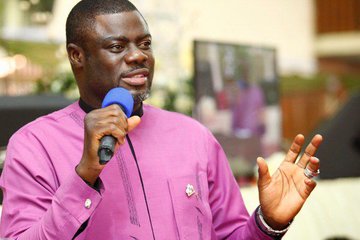
In a provocative and wide-ranging interview on DRTV Nigeria, prominent Kaduna-based Islamic cleric Sheikh Dr. Ahmad Abubakar Gumi has claimed that the Nigerian federal government possesses comprehensive intelligence on the identities and precise locations of every terrorist and bandit operating within the country.
The statement, delivered during a studio discussion with host Mariam Hakeem, has ignited intense public debate and scrutiny over the nation’s ongoing security challenges.
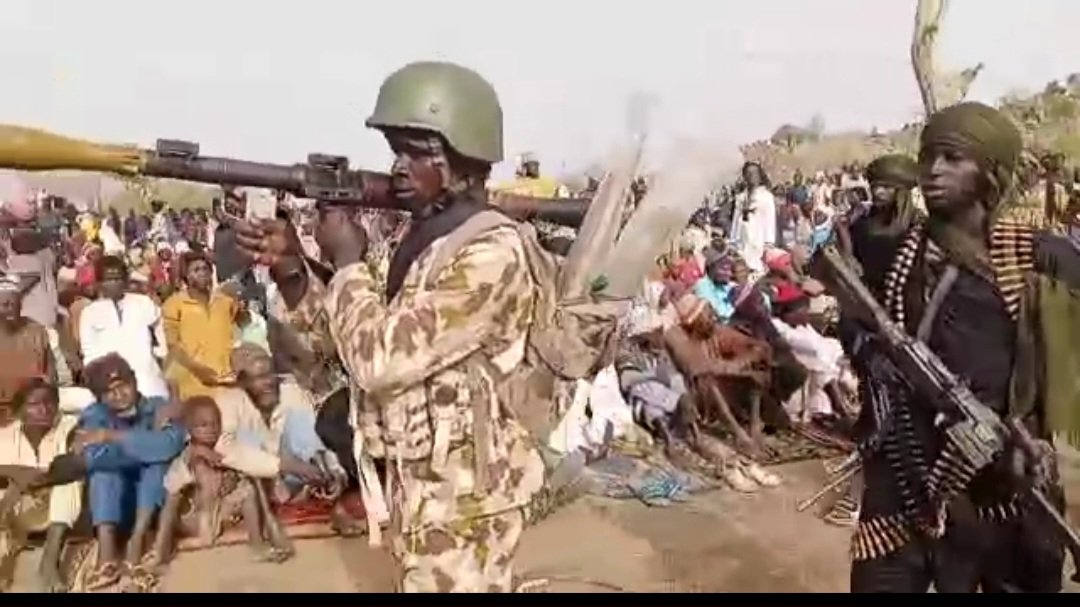
Boko Haram terrorists in the North-East carrying heavy weapons
Responding to questions about his past engagements with armed groups—often criticized as overly conciliatory—Sheikh Gumi asserted: “The government knows every terrorist by name and by location.”
He emphasized that his own interactions with such groups were never solitary endeavors. “I don’t go alone. I don’t go to the terrorists alone. I call the police, I call the security, everybody,” he stated, adding that he has coordinated with authorities, including during visits to remote areas accompanied by women and community figures.
The cleric suggested that the persistence of insecurity despite this alleged knowledge points to deeper systemic failures rather than informational gaps.
The government knows every terrorist by name and by location.
He described armed herders and bandits as trapped in a “vicious cycle of violence” with victims and the state, urging a deeper examination of their motives.
Prior to 2009, he noted, these individuals were primarily nomadic cattle herders without widespread involvement in killings or kidnappings.
“What happened in 2009 upwards, they became the monster we see,” he said, attributing the shift to accumulated grievances and state actions.
Sheikh Gumi, a medical doctor by training and a former captain in the Nigerian Army’s medical corps, voluntarily retired from military service to pursue Islamic scholarship—a path influenced by his family’s scholarly lineage, he said.

Photo Shows Sheikh Ahmad Gumi Amidst Bandits. Photo Credit: Online
His grandfather and father were noted Islamic scholars, shaping his early aspirations despite detours into Western education and military medicine.
He explained that remaining in the army would have constrained his religious pursuits, and he initially joined to encourage northern participation in the military—a goal he believes has since been achieved.
The cleric addressed perceptions of his changing stance toward administrations. He positioned himself as a conduit for grassroots voices, stating he cooperates more readily with governments that “listen” to public complaints.
He contrasted this with previous leaderships he viewed as arrogant or disconnected from realities on the ground.
Sheikh Gumi firmly dismissed Western assertions, particularly from U.S. figures of an ongoing “Christian genocide” in Nigeria, labeling it a fabricated pretext for foreign intervention.
He argued that the United States, having lost economic and cultural dominance, relies on military leverage and proxy narratives to maintain influence in resource-rich nations like Nigeria.
Violence bred banditry, and violence cannot cure it.
“The Christian genocide is supposed to be a placard used to give room for foreign intervention,” he said, warning against “boots on the ground” while acknowledging mutual killings affecting Christians and Muslims amid broad insecurity since the Yar’Adua era.
He advocated for technical assistance in training, drones, equipment, and intelligence, but rejected it under threatening religious slogans.
He welcomed potential support from countries like Turkey, Pakistan, or South Africa, but opposed American involvement, citing U.S. domestic brutality and historical actions.
A core theme of the interview was Sheikh Gumi’s critique of over-reliance on military (“kinetic”) approaches.
Drawing from his medical background, he likened insurgency to a disease requiring proper diagnosis of root causes—economic hardship, corruption, poor infrastructure, erratic electricity, inadequate healthcare and education, and historical violence—rather than symptomatic suppression.
What happened in 2009 upwards, they became the monster we see.
He estimated that experts recommend only 25% kinetic measures, with 75% focused on non-military solutions like improving amenities, agriculture, and social equity.
Massive defense spending, he claimed, often enriches elites rather than alleviating poverty. “Violence bred banditry, and violence cannot cure it,” he declared, citing the spread of Boko Haram since 2009 despite trillions spent on operations.
He pointed to global precedents for dialogue—U.S.-Taliban talks, Israel-Hamas negotiations, UK-IRA peace process—and expressed readiness to support groups like IPOB in peaceful discussions if arms are laid down.
These individuals were primarily nomadic cattle herders without widespread involvement in killings or kidnappings.
He recounted a former head of state’s unsuccessful attempt to broker Boko Haram peace talks, allegedly rebuffed at higher levels.
Sheikh Gumi alleged external actors exploit Nigeria’s vulnerabilities, likening insecurity to weakened immunity allowing opportunistic infections.
He claimed some armed groups possess sophisticated equipment; such as brand-new Toyota vehicles with anti-aircraft guns and foreign currency—suggesting foreign sponsorship via NGOs or other channels to prolong chaos and justify intervention.
Read Also: Gumi: A Sheikh above the law in Nigeria
Author

Sign up for The Insight Newsletter
Get in-depth, research and data-based interpretative reports from around Nigeria.