Presiding Officers’ Lives at Risk at Polls in 2027 – Former INEC Commissioner Igini Explains How Elections are Rigged
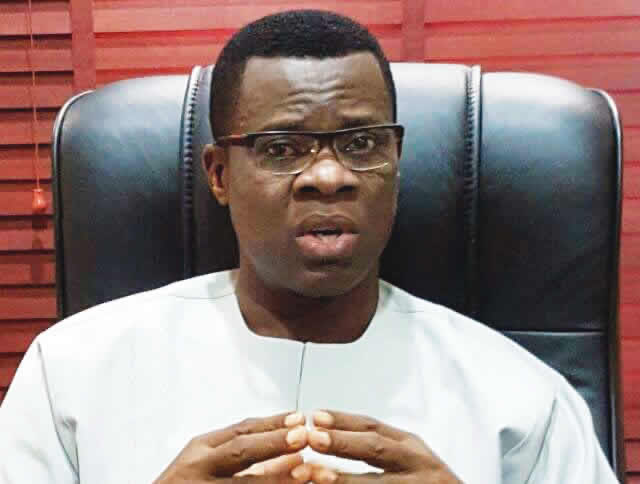
By Emmanuel Kwada
President Bola Ahmed Tinubu has assented to the Electoral Act 2022 (Repeal and Re-Enactment) Bill 2026, now law, just hours after a high-profile interview on Arise TV where former INEC Resident Electoral Commissioner Mike Igini warned that the legislation could endanger presiding officers’ lives and pave the way for election rigging in 2027.
This development, finalized after heated debates and harmonization between the Senate and House of Representatives, has drawn sharp criticism from former Independent National Electoral Commission (INEC) officials and pro-democracy advocates.

INEC official uploading election results during the 2023 elections.
In a candid interview on Arise TV on February 18, 2026, Mike Igini, former INEC Resident Electoral Commissioner for Cross River State and a lawyer with extensive experience in electoral reforms, expressed deep frustration with Nigeria’s electoral system.
He described his decade of service in INEC as largely wasted, citing persistent resistance to credible processes despite efforts spanning over 30 years of advocacy.
Igini highlighted historical attempts to implement electronic transmission, including pilots under former INEC Chairman Attahiru Jega, such as real-time result uploads in Cross River State elections.
He noted sabotages of initiatives like the Voters Authentication System (VAS), smart card readers, and the INEC Result Viewing Portal (IReV), often undermined by legal challenges, political interference, and lack of legislative support.
Presiding officers’ lives are going to be in danger.
The core controversy centers on Clause 60 of the bill, which mandates electronic transmission but permits fallback to manual processes via Form EC8A if network issues arise.
Igini argued this reintroduces vulnerabilities akin to past “Incident Forms,” where discretionary powers were abused—such as false claims of no fingerprints or fabricated results with duplicated serial numbers on EC8A forms.
He warned of severe risks for the 2027 general elections: presiding officers (often National Youth Service Corps members) could face life-threatening dangers at polling units.
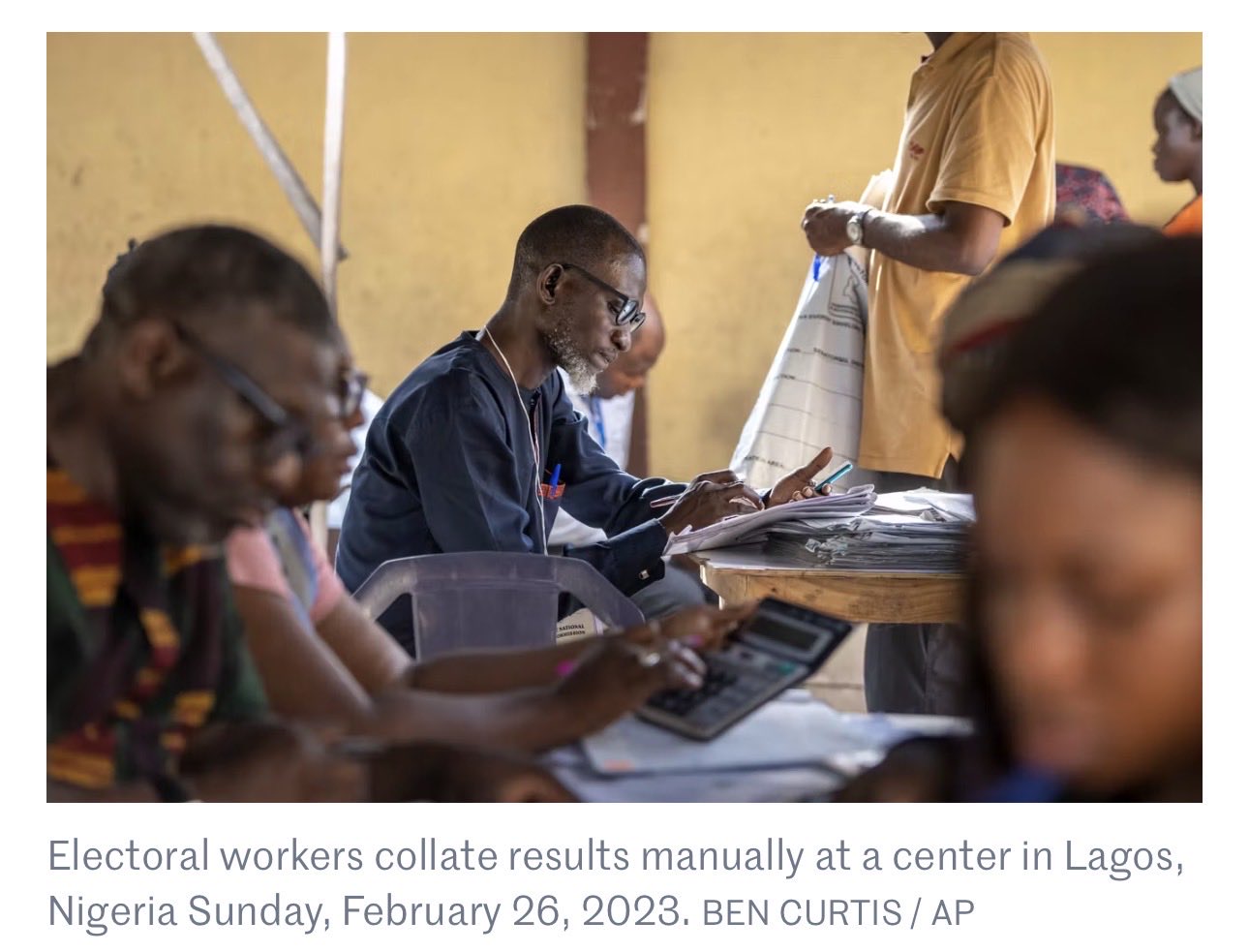
If voters observe network availability on their devices yet the presiding officer claims otherwise and opts for manual collation, tensions could erupt into violence.
“Presiding officers’ lives are going to be in danger,” Igini stated, emphasizing that political elites’ children would not be at risk, leaving vulnerable youth corpers exposed.
Igini also critiqued the judiciary’s role, asserting it has historically failed to uphold electoral integrity, often ruling against reforms like mandatory IReV uploads (deemed mere “viewing centers” without full legal force).
He called the judiciary the “greatest challenge,” warning that democracy falters when courts appear weak or complicit.
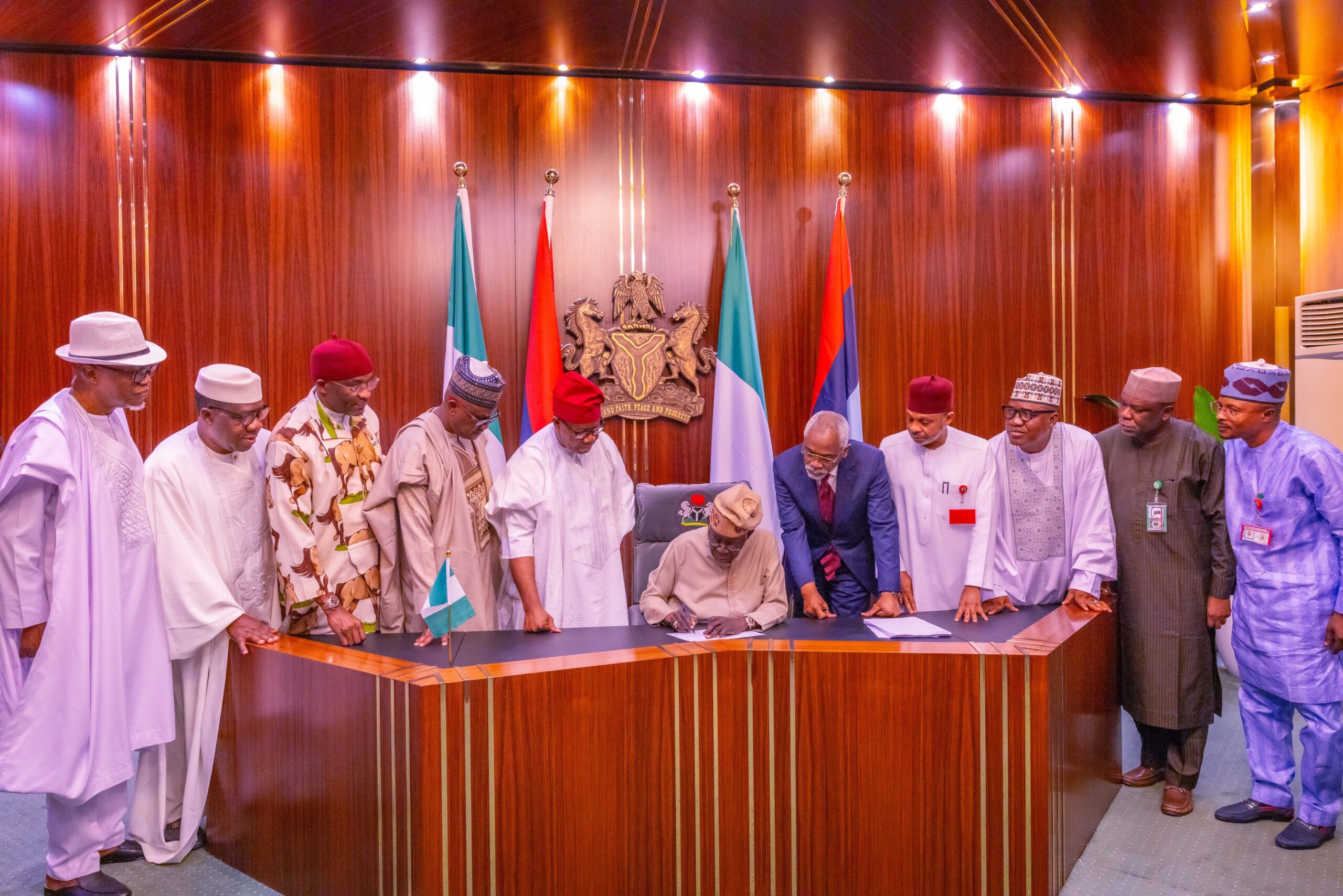
President Bola Ahmed Tinubu, Senator Godswill Akpabio, Femi Gbajabiamila, Tajudeen Abbas, and others during the Signing of Electoral Act Ceremony at State House
Addressing the president directly, Igini urged: “You are a man of history… What is going to be presented before you is a recipe for chaos. It’s a recipe to undermine all that you have done when we were in the trenches… Please take it back. Don’t sign it.”
Despite the plea, Tinubu signed the bill, framing it as pragmatic adaptation to Nigeria’s realities while prioritizing integrity.
Public reactions on social media ranged from disappointment to calls for court challenges, with some influencers urging reversal of the manual proviso.
Civil society and pro-democracy groups have indicated potential legal action, arguing the dual system creates exploitable loopholes. Igini emphasized mandatory real-time transmission for trust, safety, and efficiency, insisting elections should be decided at polling units, not courts.
With the law now in effect, attention turns to INEC’s implementation, judicial oversight, and citizen vigilance to safeguard the 2027 polls and prevent voter apathy amid lingering concerns over credibility.
Read Also: Why Mandatory E-Transmission Matters: Lessons from 2023 Polls Fuel #OccupyNASS Protests.
Author

Sign up for The Insight Newsletter
Get in-depth, research and data-based interpretative reports from around Nigeria.