Data Shows 89% Reject Abrupt Solar Ban; Stakeholders Push 5-Year Local Plan
By Emmanuel Kwada
Strong public opposition has emerged against any immediate ban on the importation of solar panels, with fresh data revealing that 89% of Nigerians reject an abrupt policy shift, as stakeholders at a high-level media roundtable held from 22–23 April 2026 at K-Class Hotel, Abuja, participants advocated for a gradual, realistic five-year roadmap to boost local manufacturing without worsening the country’s severe energy poverty.
The call came during a media capacity-building roundtable organised by the Global Initiative for Food Security and Ecosystem Preservation (GIFSEP) in collaboration with the Secure Energy Project and Power Shift Africa.
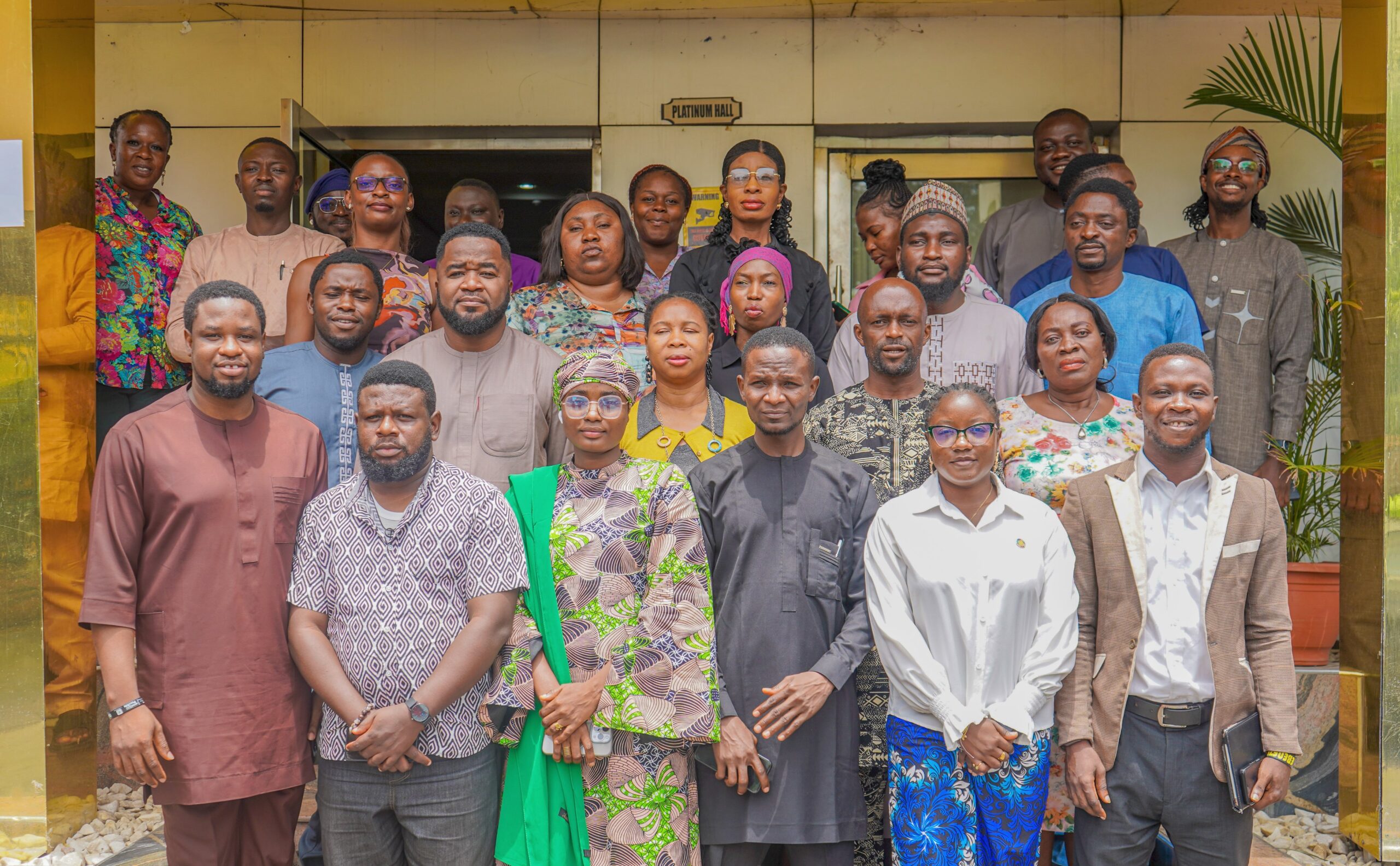
Cross-section of journalists from leading media organizations
Participants stressed the need for evidence-based policies that balance long-term industrial goals with the immediate reality that millions of Nigerians still live without reliable electricity.
Dr. Michael Terungwa David, Executive Director of GIFSEP, opened the session by urging journalists to deepen their expertise in energy reporting, describing the media as a critical force in shaping informed public discourse and holding stakeholders accountable.
“Energy poverty in the country continues to affect not only households and businesses but also journalists, whose work depends heavily on reliable electricity for information gathering, production, and dissemination,” he said. “Consistent energy supply is essential for effective storytelling and accountability in governance.”
The challenges lie in the proliferation of unskilled technicians and the influx of substandard materials in the market.
Dr. Terungwa welcomed participants and highlighted Nigeria’s vast solar potential, noting that the country is richly endowed with renewable resources. He warned, however, that rapid growth in solar demand has exposed serious risks.
“Solar energy itself is not the issue; rather, the challenges lie in the proliferation of unskilled technicians and the influx of substandard materials in the market,” he cautioned. Poor installation practices and low-quality components, he added, could erode consumer trust and compromise safety.
While supporting the long-term vision of local manufacturing, Dr. Terungwa described an immediate ban on solar imports as premature.

“With the right mix of policies, investments, and public awareness, Nigeria can reposition itself and become a model for sustainable energy development across Africa,” he stated.
“Together, we can build a more informed, resilient, and energy-secure Nigeria.”
Joseph Ibrahim, Nigerian Campaign Director of the Secure Energy Project and member of the Solar Power Nigeria Coalition, painted a stark picture of the crisis: with a population of over 200 million and a national grid averaging only about 4,000–5,000 megawatts, electricity access remains critically low; roughly 20–25 watts per person.
You cannot simply command the trees to grow; you must first prepare the soil.
“As a result, solar energy has become a critical lifeline for households and small businesses. Once considered an alternative, solar power is now widely seen as essential, powering homes, sustaining enterprises, and enabling economic participation where the national grid falls short,” Ibrahim said.
He likened building a local manufacturing industry to planting a forest: “You cannot simply command the trees to grow; you must first prepare the soil.”
Ibrahim advocated for policy stability, access to financing, and strict quality standards, proposing a phased three- to five-year roadmap that supports local production while keeping solar affordable and accessible.
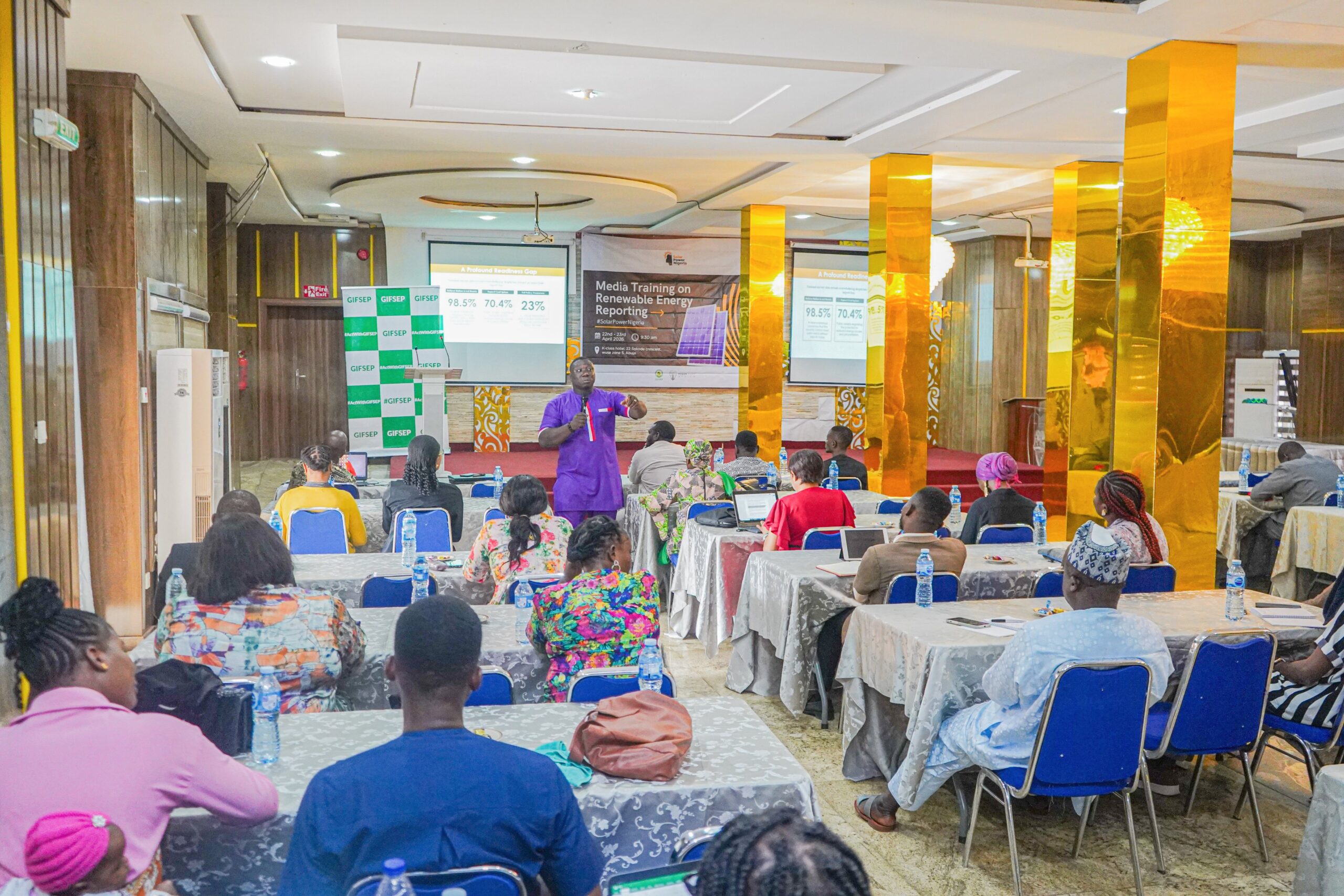
“Our position is clear: Local manufacturing and energy access must grow together. One should not be sacrificed for the other. We want a Nigeria where the solar panels on our roofs are built by our own hands, but more importantly, we want a Nigeria where no one is left in the dark.”
Mr. Lucky Abeng, National Coordinator of GreenFaith Nigeria (also referred to in some contexts as GreenFaith Africa), described the proposed ban as deeply concerning at this critical stage of Nigeria’s energy transition.
“You will agree with us that millions of people lack reliable access to any form of energy currently,” Abeng said. “This is not just an infrastructural gap. It’s a development crisis. It affects our healthcare delivery system and livelihoods, especially for those from frontline communities.”
He warned that persistent policy bottlenecks already hinder progress, and an abrupt import ban could further slow sustainable development.
Over 85% or 89% of Nigerians are very, very clear about the position of the ban.
Data expert Daniel Oladoja (from GSEC) approached the issue empirically, citing research that shows over 85–89% of Nigerians strongly oppose an immediate ban.
“The outcome of that study is the fact that over 85% or 89% of Nigerians are very, very clear about the position of the ban… which is a loud no,” Oladoja stated. He argued for a gradual, data-driven localisation plan similar to the approach taken with the Dangote Refinery, rather than an overnight policy shift.
Newly appointed National Media Network Coordinator Mr. Farooq commended the training and called for stronger storytelling on how decentralised solar solutions are reaching communities long neglected by the national grid.
The clear message from the event was that ambition must be matched with careful planning. A rushed ban risks making solar currently a lifeline for many unaffordable and inaccessible, while a well-prepared five-year transition could position Nigeria as a true solar nation.
Read Also: 176 Hostages Held in Kwara, 744 Ex-Terrorists Graduate as 2027 Politics Intensifies
Author

Sign up for The Insight Newsletter
Get in-depth, research and data-based interpretative reports from around Nigeria.

