10 Things Nigerians Need to Know About the NIMC Act 2026
By Emmanuel Kwada
For millions of Nigerians, daily activities such as opening a bank account, registering a SIM card, accessing government services, obtaining a passport, enrolling in school, receiving social welfare benefits, or participating in elections may soon become more closely tied to one document — the National Identification Number (NIN).
This is one of the major implications of the newly introduced National Identity Management Commission (NIMC) Act 2026, a comprehensive reform of Nigeria’s identity management framework aimed at strengthening digital identity, improving data protection, enhancing national security, and supporting economic development.

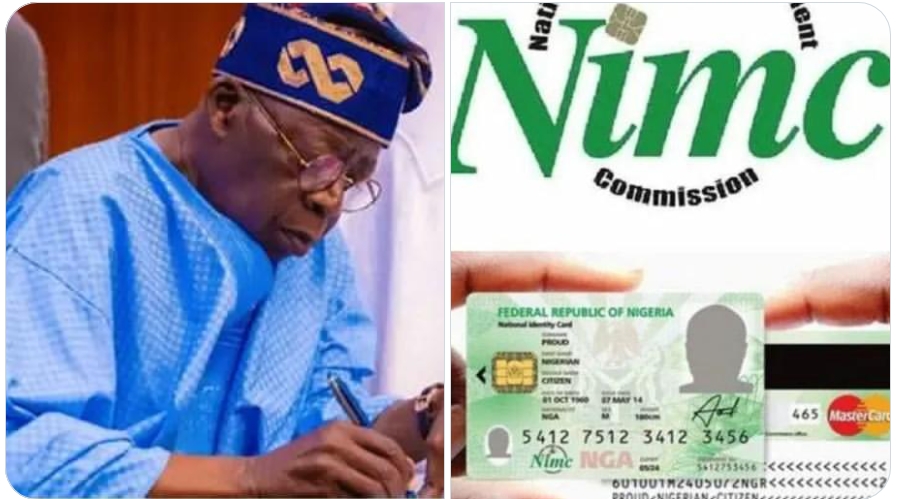
From Lft: Julius Ihonvbere – House Leader / Chairman, House Committee on Basic Education, Benjamin (Okezie) Kalu– Deputy Speaker of the House of Representatives, Godswill Akpabio – Senate President, President Bola Ahmed Tinubu – President of the Federal Republic of Nigeria seated, signing the NIMC Act into Law, Minister of Justice and AGF Prince Fagbemi, Olubunmi Tunji-Ojo– Minister of Interior, Abisoye Coker-Odusote– Director-General of the National Identity Management Commission (NIMC), and Taimur Samad– World Bank Nigeria Country Representative.
The new legislation replaces key provisions of the 2007 NIMC Act and seeks to establish a modern, secure and technology-driven identity ecosystem capable of serving the needs of an increasingly digital society.
Below are 10 key things Nigerians should know about the new law.
1. The NIN Will Become More Important Than Ever
The National Identification Number will become the primary means of identity verification across Nigeria. The Federal Government intends for the NIN to serve as the foundation of a unified identity system that connects citizens and residents to both public and private sector services.
2. More Services Will Require a NIN
Under the new law, the use of the NIN has been expanded significantly. Activities such as opening bank accounts, registering SIM cards, accessing healthcare services, obtaining passports, enrolling in schools, processing pensions, registering businesses, paying taxes, and participating in social welfare programmes will increasingly require NIN verification.
3. Nigeria Is Moving Towards a Digital Identity System
The Act introduces a modern identity framework that relies less on physical identity cards and more on digital identity credentials. This means Nigerians will increasingly be able to verify their identities electronically across multiple platforms and services.
4. Personal Data Will Receive Greater Protection
One of the major objectives of the Act is to strengthen privacy and data security. The law aligns identity management operations with the Nigeria Data Protection Act and international standards, providing stronger safeguards against identity theft, unauthorized access and misuse of personal information.
5. NIMC Has Been Given Expanded Responsibilities
The National Identity Management Commission will now play a broader role in managing Nigeria’s digital identity infrastructure. Beyond maintaining a national database, the Commission will oversee critical identity systems and ensure compliance with identity regulations across sectors.
6. Identity-Related Offences Will Attract Harsher Penalties
The law introduces tougher sanctions for offences such as impersonation, identity theft, forgery and the unlawful use of personal information. Government officials say the stricter penalties are intended to discourage fraud and strengthen public confidence in the national identity system.
7. National Security Is Expected to Improve
Authorities believe a stronger identity management system will help security agencies better track criminal activities, reduce fraud, combat cybercrime and support efforts to address terrorism and other security threats through more accurate identification processes.
8. Businesses Will Depend More on Identity Verification
Banks, telecommunications companies, insurance providers, employers and other organizations will increasingly rely on NIN verification systems when dealing with customers and clients. This is expected to reduce operational risks and improve the integrity of transactions.
9. The Law Could Boost Economic Growth
A trusted digital identity system is considered essential for modern economies. By making identity verification easier and more reliable, the Act is expected to support financial inclusion, encourage innovation, expand digital services and stimulate economic growth.
10. Nigeria Is Moving Towards One Unified Identity Framework
Perhaps the most significant reform is the creation of a single identity ecosystem that can be recognized across government agencies and private institutions. The objective is to eliminate duplication, improve efficiency and ensure that one trusted identity can be used nationwide.
What the New Law Means for Nigerians
For the average Nigerian, the NIMC Act 2026 signals a future in which the National Identification Number will become central to everyday life. Access to many services may increasingly depend on possessing a valid and verifiable identity record.
While the reforms are expected to improve security, service delivery, transparency and economic opportunities, they also place greater responsibility on citizens to enroll for the NIN, keep their records updated and protect their personal information.
With the NIMC Act 2026, the Federal Government is laying the foundation for a more connected, secure and digitally driven Nigeria, where a single trusted identity serves as the key to participation in modern economic and social life.
Read Also: Nigerians have asked one question for 48 years: where are national identity cards?
Author

Sign up for The Insight Newsletter
Get in-depth, research and data-based interpretative reports from around Nigeria.